
Last updated November 20, 2026
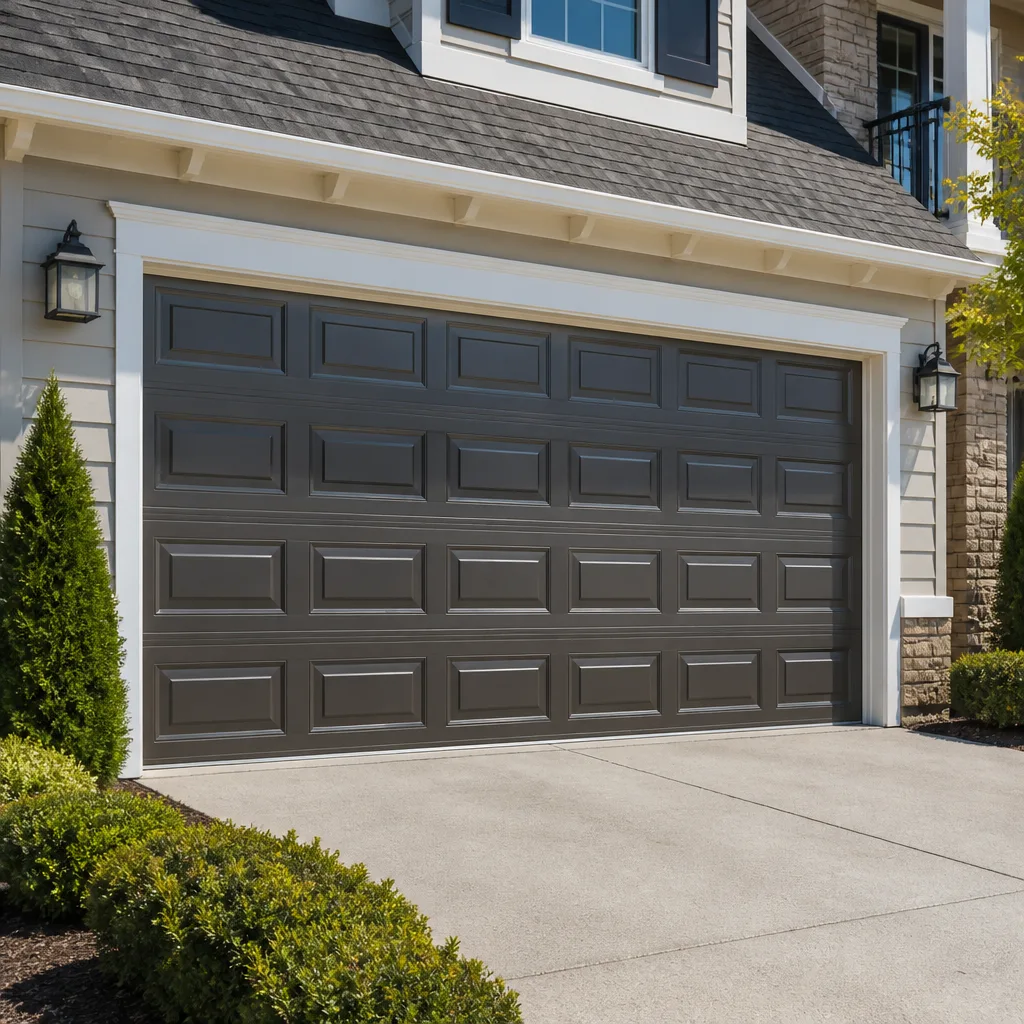 Raised-panel steel
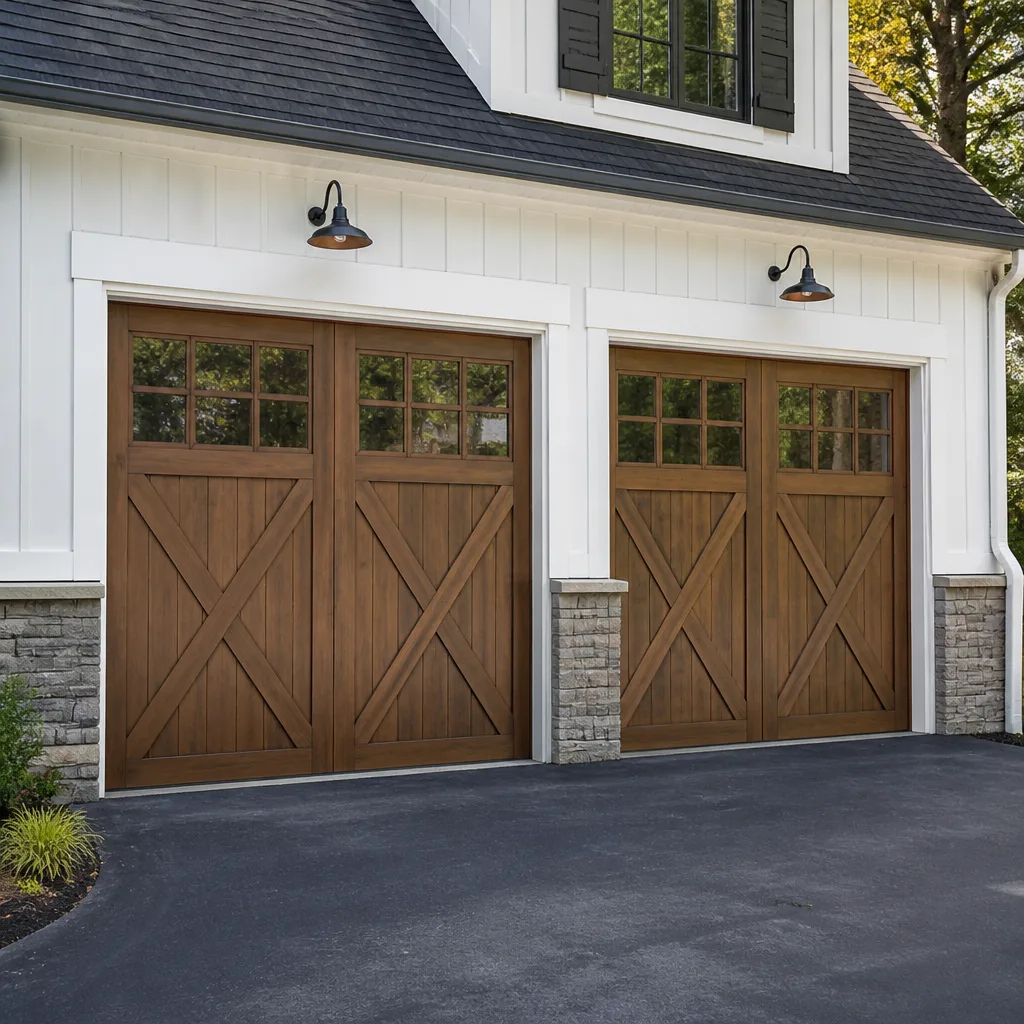 Carriage house
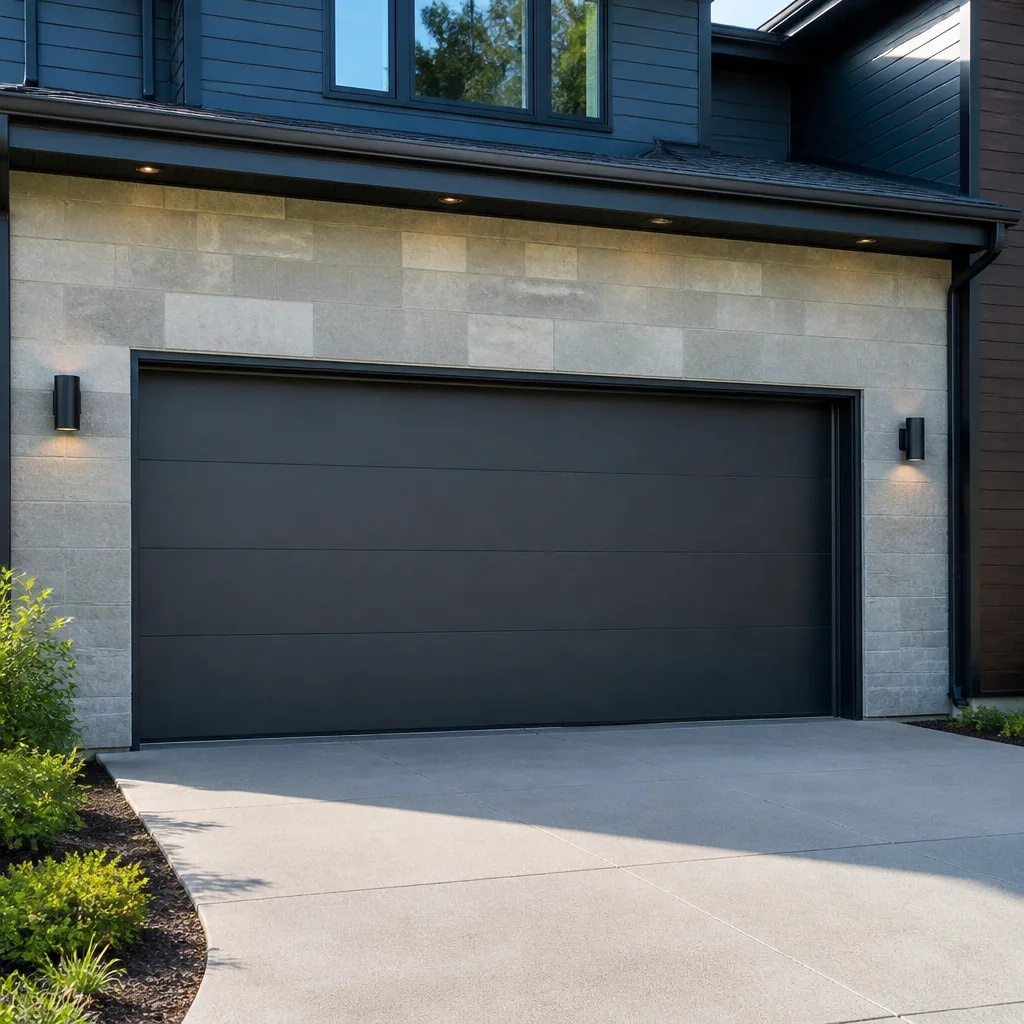 Modern flush
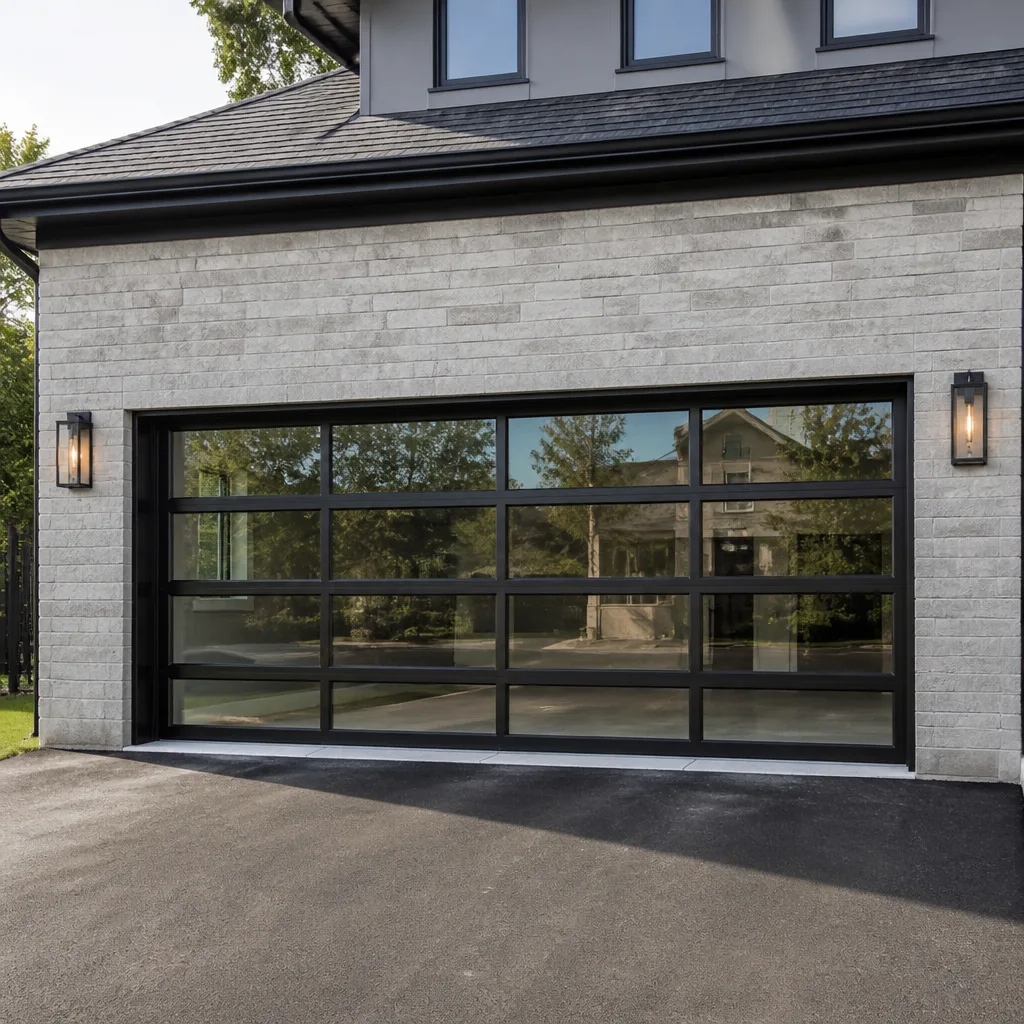 Full-view glass
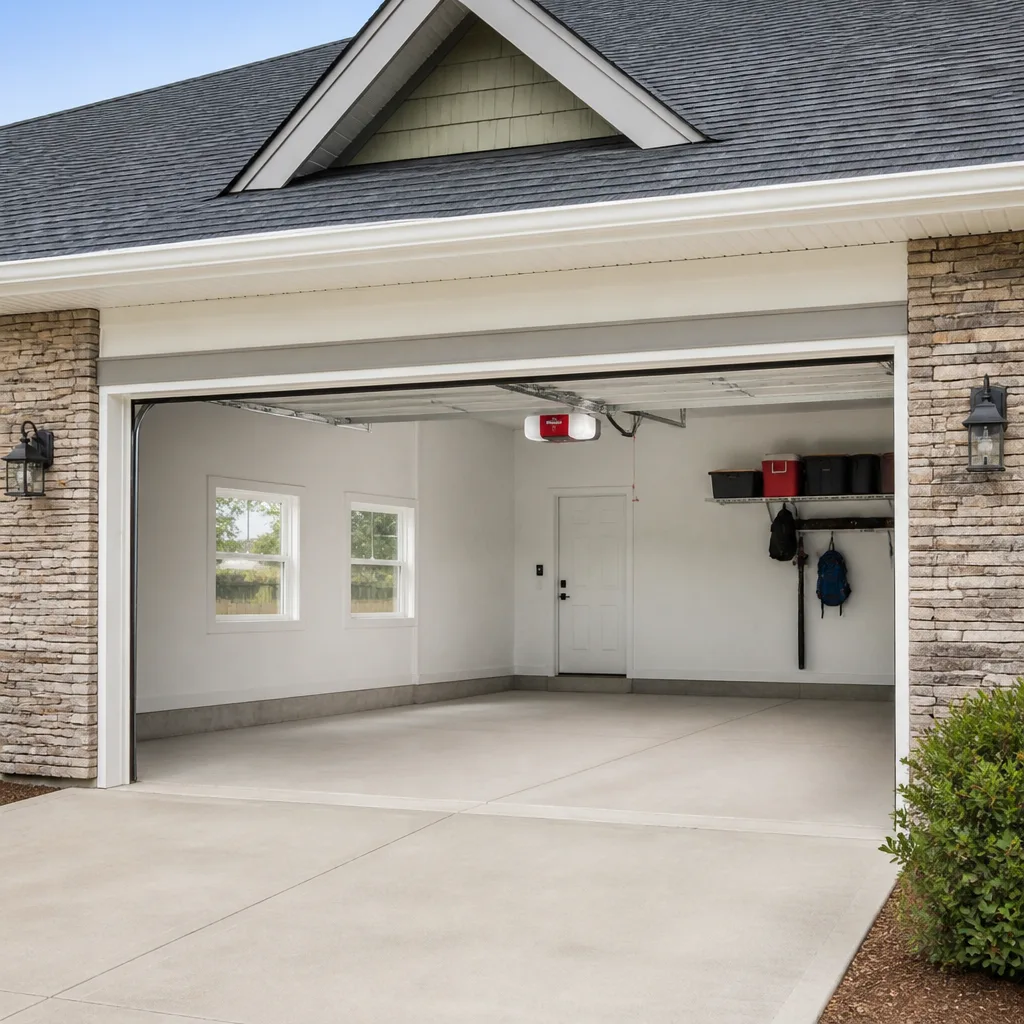 LiftMaster openers
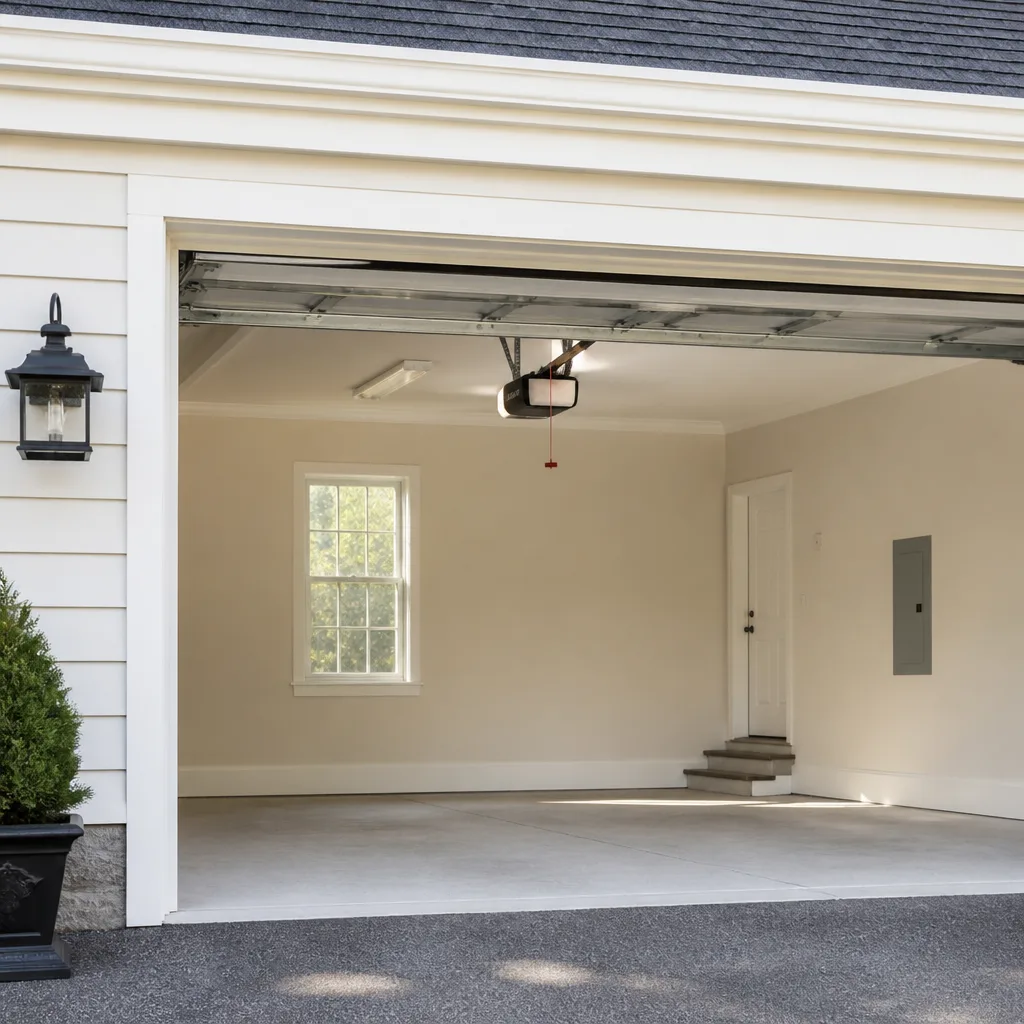 Chamberlain openers
Full 25-point door and opener safety check with every visit - springs, cables, rollers, tracks, and your LiftMaster or Chamberlain opener included
You get a price before we start. It does not change when the pro arrives.
Get your free estimateGarage Door Permits, Codes & Inspections in Meadow Hills, CO: What You Need to Know
Here’s the part almost nobody thinks about until it’s too late: a garage door replacement that should have had a permit won’t announce itself. It sits quietly in your property records until the day you list the house or file a storm damage claim, and suddenly a simple question about paperwork becomes the thing holding up the deal. Whether you actually need a permit in Meadow Hills depends on the scope of the work, not the size of the door. This guide walks through the thresholds, what the code actually asks of an installation, what an inspection checks, and how to handle work that was done without a permit before you bought the place.
Quick Answer
In Meadow Hills, a like-for-like garage door replacement (same size, same opening, no structural or electrical changes) is often handled without a permit, while anything that changes the opening, adds a new electrical circuit for an opener, or alters structural framing usually requires one. Because Meadow Hills sits in Jefferson County and permit rules are set locally, the only reliable answer for your specific address comes from the city or county building department. When in doubt, ask before you order the door, not after it’s hung.
Styles & brands we work with
- Raised-panel steel
- Carriage house
- Modern flush
- Full-view glass
- LiftMaster openers
- Chamberlain openers
Table of Contents
- Permit Thresholds: When a Replacement Is Exempt and When It Isn’t
- Wind Load and Anchorage: What Colorado Actually Asks Of a Garage Door
- Openers and Electrical Work: The Line Between a Swap and a Permit
- What an Inspection Actually Checks
- How to Prepare for Your Inspection
- How Permit History Shows Up in Property Records
- What to Do If Previous Work Was Done Without a Permit
- Common Mistakes to Avoid
Permit Thresholds: When a Replacement Is Exempt and When It Isn’t
The single biggest misconception we run into is that every garage door replacement needs a permit, or conversely that none of them do. Neither is true. The threshold comes down to whether the work touches structure, electrical, or the opening itself.
Work that is often exempt from a permit:
- Replacing a single door with a door of the same size in the same opening
- Swapping a broken spring, cable, roller, or hinge
- Replacing an opener with a unit of the same type on the same wiring
- Replacing panels on an existing door where the framing isn’t touched
Work that usually triggers a permit:
- Widening, heightening, or otherwise modifying the opening
- Removing or altering a load-bearing header or structural framing around the opening
- Installing a new electrical circuit or outlet for an opener where none exists
- Converting a manual door to a powered one with new wiring
- Any work that the local building department identifies as an alteration rather than a repair
Because the rules rest with Jefferson County and the local jurisdiction that governs your specific address in Meadow Hills, the practical move is a short call to the building department before the truck arrives. Ask them a plain question: “I’m replacing a [size] door with the same size in the same opening, no structural change, no new electrical.” Their answer is what matters. Not a neighbor’s story, not a forum post. If the scope changes mid-project because the opening turns out to be out of square or the header needs work, stop and get the permit before proceeding.
Wind Load and Anchorage: What Colorado Actually Asks Of a Garage Door
Garage doors are the largest moving object on most homes, and in Colorado they take wind from both directions: the everyday gusts and the sudden downdrafts that roll off the foothills in spring and early summer. That’s why the code behind a garage door installation focuses on two things before it looks at anything else: how the door is rated for wind pressure, and how the door and its track are anchored to the structure.
The International Residential Code (IRC) sets the baseline for wind load and anchorage, and Colorado jurisdictions layer local requirements on top. In practice, a compliant installation in Meadow Hills usually means:
- A door rated for the design wind pressure at your address, which a building department can tell you based on your location
- Anchorage that matches the door manufacturer’s published installation instructions, including the number and spacing of fasteners into the jamb and header
- Reinforcement (typically a strut or center stile) when the door is wide and the manufacturer specifies it for the wind rating
- Track brackets and jamb brackets that are securely fastened to solid framing, not just to siding or a thin fascia
Here’s where brand-specific knowledge matters. Doors from Genie, Clopay, Amarr, and Wayne Dalton ship with their own anchorage requirements, and a door that’s installed to a generic pattern rather than to the manufacturer’s instructions can look perfectly fine and still fail a wind-load inspection. If you’re at the point of choosing a door, see our garage door installation page for how we handle load ratings and product selection for Meadow Hills homes, and remember that the manufacturer’s installation manual should stay on site for the inspector.
Openers and Electrical Work: The Line Between a Swap and a Permit
Electrical work is where permits bite hardest, and it’s where homeowners most often assume they’re exempt when they aren’t. The distinction is simple: replacing an opener on existing wiring is one thing, adding a new circuit or outlet is another.
The typical divide:
- Exempt in most cases: removing an old opener and hanging a new one on the same outlet and the same circuit
- Usually permitted: adding a dedicated outlet or circuit for the opener, moving an outlet, or converting a manual door to a powered one with new wiring
- Always a licensed electrician’s job: anything that involves opening the electrical panel, running conduit, or connecting a new circuit at the breaker
A quick safety note: electrical panel work and new wiring are genuinely dangerous, and the trade has a long record of serious injury from people treating a panel like a light switch. If the opener installation calls for new electrical, that work belongs to a licensed electrician, and it usually needs a permit. We handle the door and the opener; the electrical is a separate licensed professional’s job, and it’s the right kind of handoff.
If you’re keeping an existing opener and simply swapping doors, the wiring isn’t touched and the permit question usually doesn’t come up. When the opener fails and the door is fine, you’ll want garage door opener repair rather than a new door, and the permit threshold stays low.
What an Inspection Actually Checks
A garage door inspection isn’t a mystery box. The inspector has a checklist, and knowing it in advance is most of the work of preparing for one. For a permitted installation in Meadow Hills, the visit usually covers:
- The door itself against the approved plans. Size, model, and wind rating should match what the permit application said.
- Anchorage. Fasteners into the jamb and header, track bracket attachment, and any required reinforcement.
- Clearances. Headroom, side room, and backroom consistent with the manufacturer’s instructions for the specific door.
- The opener and safety features. Reversing function and photo-eye compliance with the manufacturer’s specifications.
- Balance and travel. The door opens and closes smoothly and stops where it should.
- Electrical work. Any new circuit or outlet connected and inspected by the appropriate licensed trade.
- Documentation. The installation manual, permit card, and approved plans all available on site.
The most common inspection-day hiccup isn’t a badly built door; it’s missing paperwork. Inspectors need to see the manual and the permit, and if they can’t compare the installation to the published specs, they often have no choice but to fail the inspection and ask for a re-visit. Our technicians have up to 10 years of experience handling installations for homeowners and property managers, and we keep the manufacturer’s documentation on hand for exactly this reason.
How to Prepare for Your Inspection Without Surprises
Most inspection failures trace back to three things: paperwork not on site, a modification made after the rough-in that wasn’t captured on the plans, and an opener that was installed without a permit when it needed one. Here’s how to cut down on that risk:
- Have the permit card and the approved plans ready. Keep them taped to the wall or in the garage for the inspector.
- Keep the manufacturer’s installation instructions on site. The inspector needs them to check anchorage and clearances against the actual product.
- Clear the bay. An inspector who can’t walk a full clearance around the door loses time and often needs to reschedule.
- Test the opener and the safety reverse before the appointment. Not to fix anything, but to know what the inspector will see.
- Confirm the electrical permit is closed out if wiring was added. A door inspection and an electrical inspection are separate; both need to be signed off.
- Make any changes before the inspection, not after. A minor adjustment on the day of is fine; a structural change requires going back to the department first.
If your door is older and the question is really about weather-sealing rather than permitting, our main page at Garage Door Repair Meadow Hills is the better starting point. And if the opener is the piece that’s failing pre-inspection, call us before the appointment rather than after a failed visit; it’s a lot cheaper to fix a reversing sensor than to pay for a re-inspection.
How Permit History Shows Up in Property Records
Permit history lives in property records, and it doesn’t disappear. When you list the house, buyers and their agents can pull permit history from the local building department, and the disclosure process may ask you directly about work done, including work done by a previous owner. This is where two quiet problems surface:
- Closing friction. A buyer’s lender can require evidence that a significant alteration has current permits, and a missing permit can hold up closing while it’s sorted out.
- Storm damage claims. When a carrier investigates a claim on a garage door, they may ask for documentation of the installation. If the door that failed is one that needed a permit and never got one, the conversation gets harder, and you’re not in a strong position to fix it quietly.
The frustrating part is that neither of these is your fault if the work was done by someone else. But by the time they show up, the leverage is gone. The fix is preventative: when you buy a house in Meadow Hills, pull the permit history before you close, and if you’re having a door replaced, get it permitted if the scope requires it. That history is worth more to a future buyer than the door itself.
What to Do If Previous Work Was Done Without a Permit
If you’ve discovered that a previous owner installed a door or added an opener without a permit, don’t panic, and don’t try to fix it quietly. Most jurisdictions, including Jefferson County, have a retrofit path, and going through it before a sale or a claim is far cheaper than discovering the gap at closing. The typical options are:
- Retroactive permit. The homeowner applies for a permit after the fact, the work is inspected, and if it meets code, it’s signed off. This is the cleanest option and the one that creates the clearest paper trail.
- Bring-it-up-to-code permit. If the installed door doesn’t meet current wind-load or anchorage requirements, the inspection may require modifications (reinforcement, additional fasteners, or in some cases a different door) before sign-off.
- Corrective work and inspection. In cases where the installation is too far out of compliance to retrofit, the door may need to be brought up to spec, which is essentially a partial reinstall.
Realistic costs for the retrofit path depend on what the inspector finds, and we won’t quote you a number without seeing your door. What we can tell you is that the inspection is usually the cheap part, and the complication is corrective work if the original installation cut corners on anchorage or wind reinforcement. If you want help assessing what you’re working with before you call the building department, get a free estimate and we’ll tell you what we’d flag.
Common Mistakes to Avoid
- Assuming a same-size replacement is always exempt. It usually is, but if the opening was modified or the door is being upsized even an inch, the answer changes. Call the building department and confirm.
- Letting the installer handle the permit question without asking. Some do, some don’t, and a homeowner who never asked is the one who finds out at closing. Confirm in writing before work starts who is pulling the permit.
- Adding an opener on a new circuit without a permit. The most common unpermitted change we see. Electrical work is where the code is strictest, and it’s also the work where a mistake can hurt someone.
- Skipping wind-load reinforcement for a wide door. A wide door that isn’t reinforced to the manufacturer’s spec can look fine on installation day and fail a wind-load inspection later. In a Meadow Hills spring, that’s not a theoretical problem.
- Not keeping installation manuals. The inspector needs the manual to compare anchorage and clearances against the actual product. A missing manual can turn into a re-inspection.
- Trying to close out unpermitted work at the last minute before a sale. The retrofit path is workable but not instant. Start the process months before you list, not weeks.
- Buying a house without pulling permit history. A quick look at the local building department’s records tells you what was done and what was done right. It’s one of the least expensive due-diligence steps in the whole transaction.
See the difference
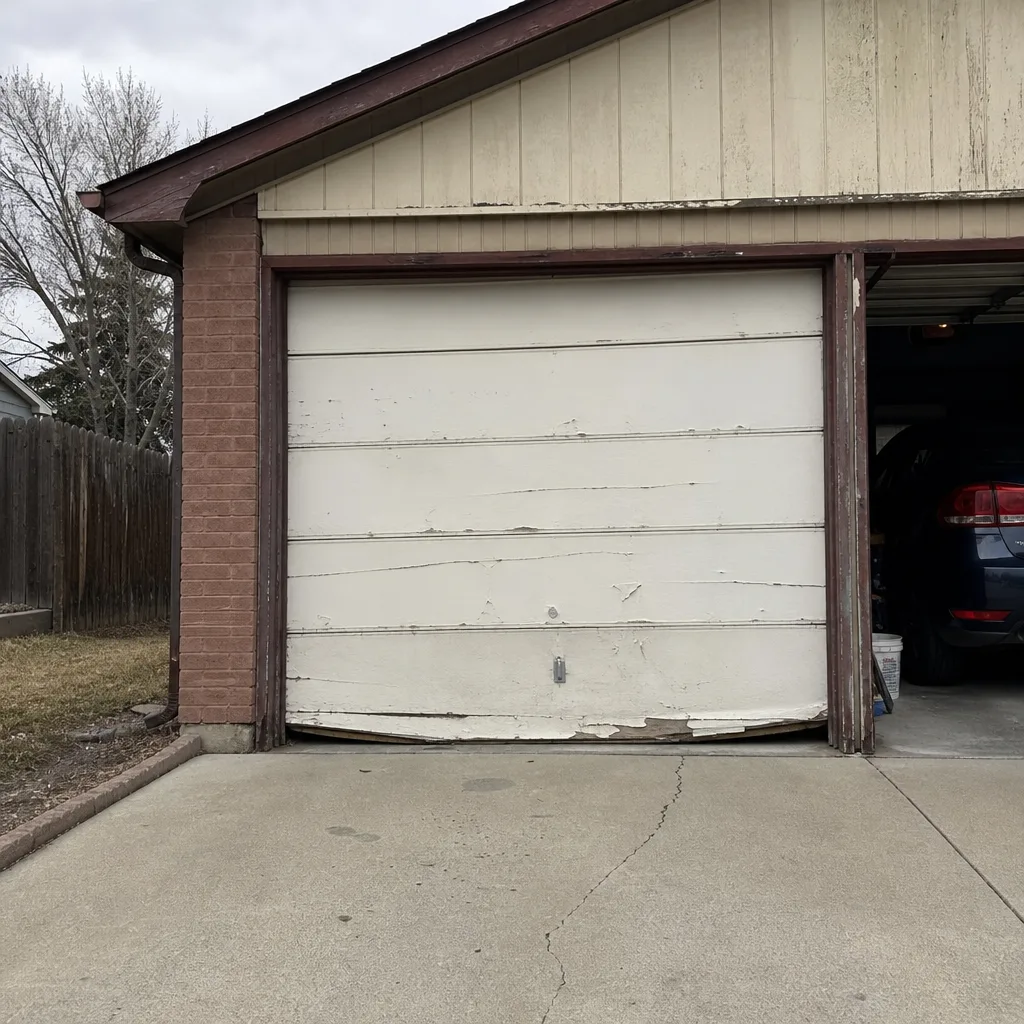 Before
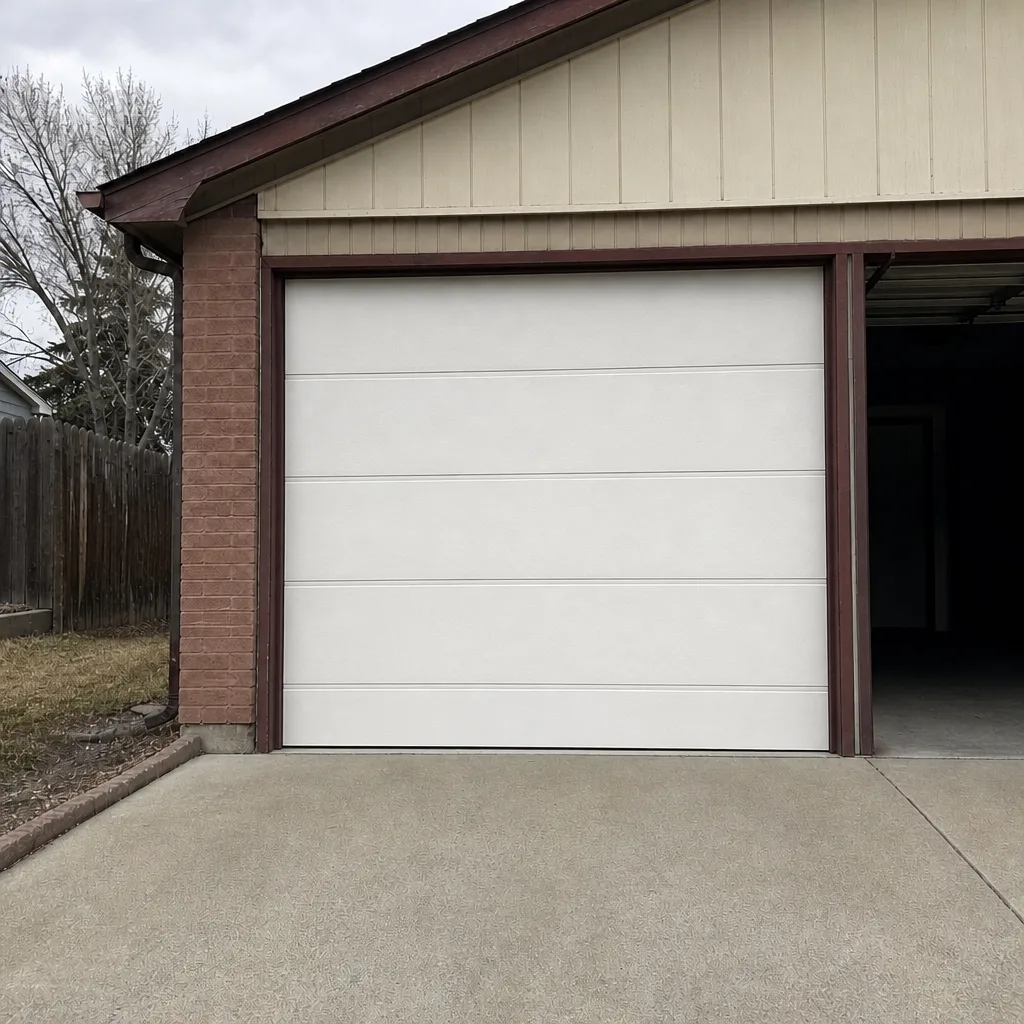 After
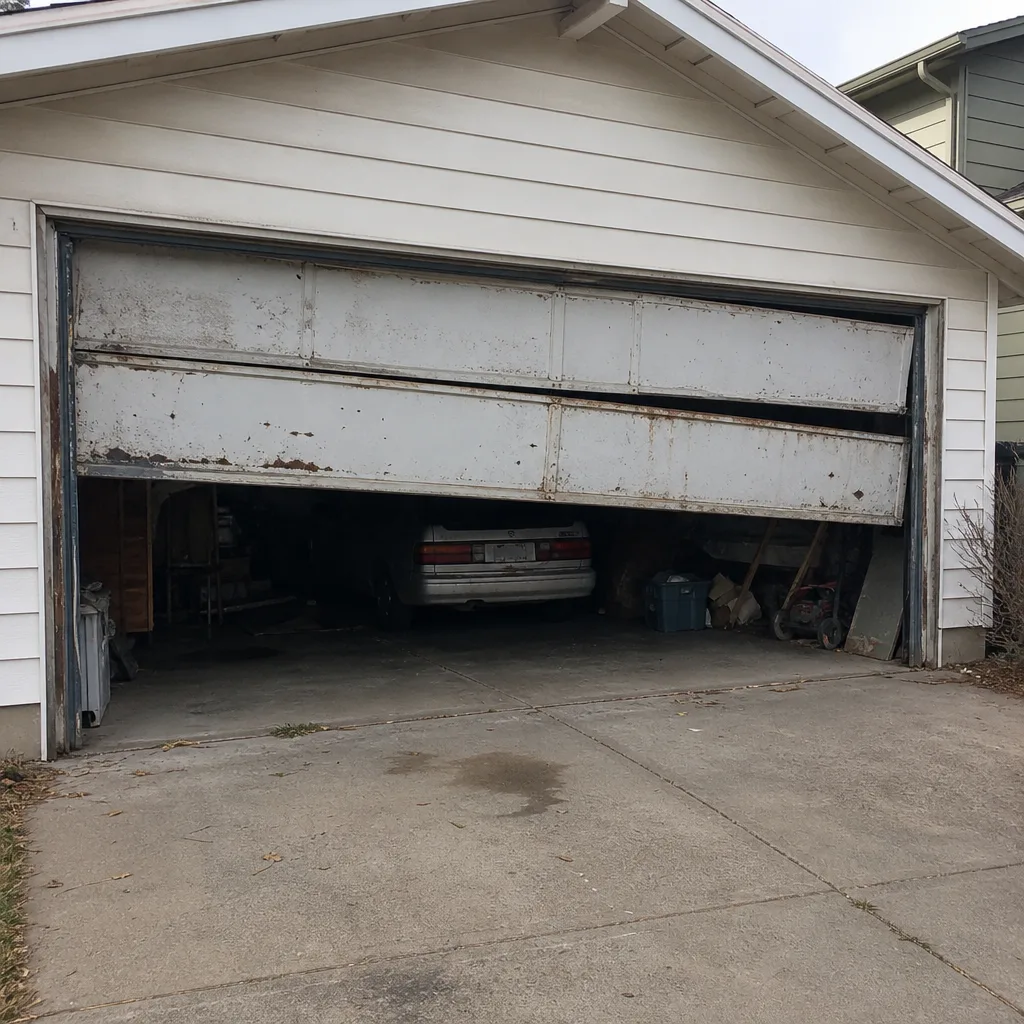 Before
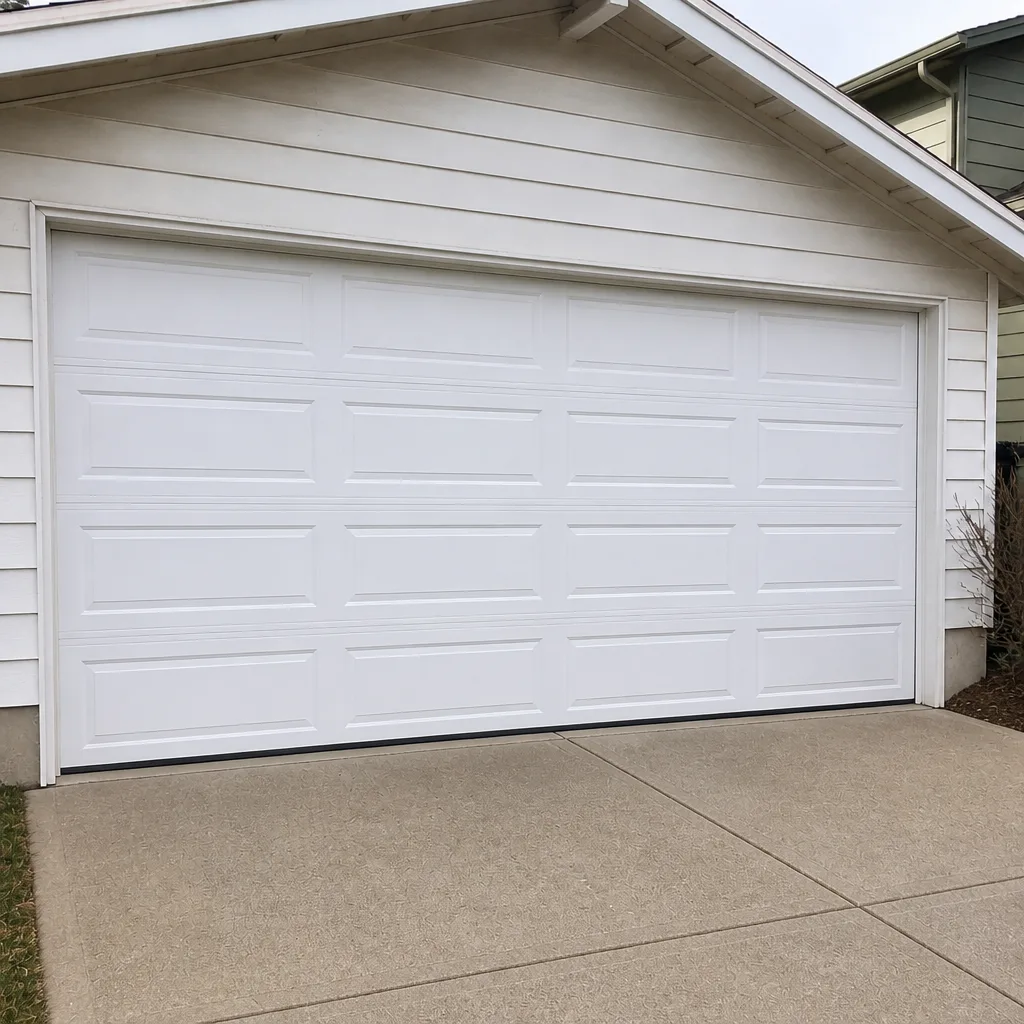 After
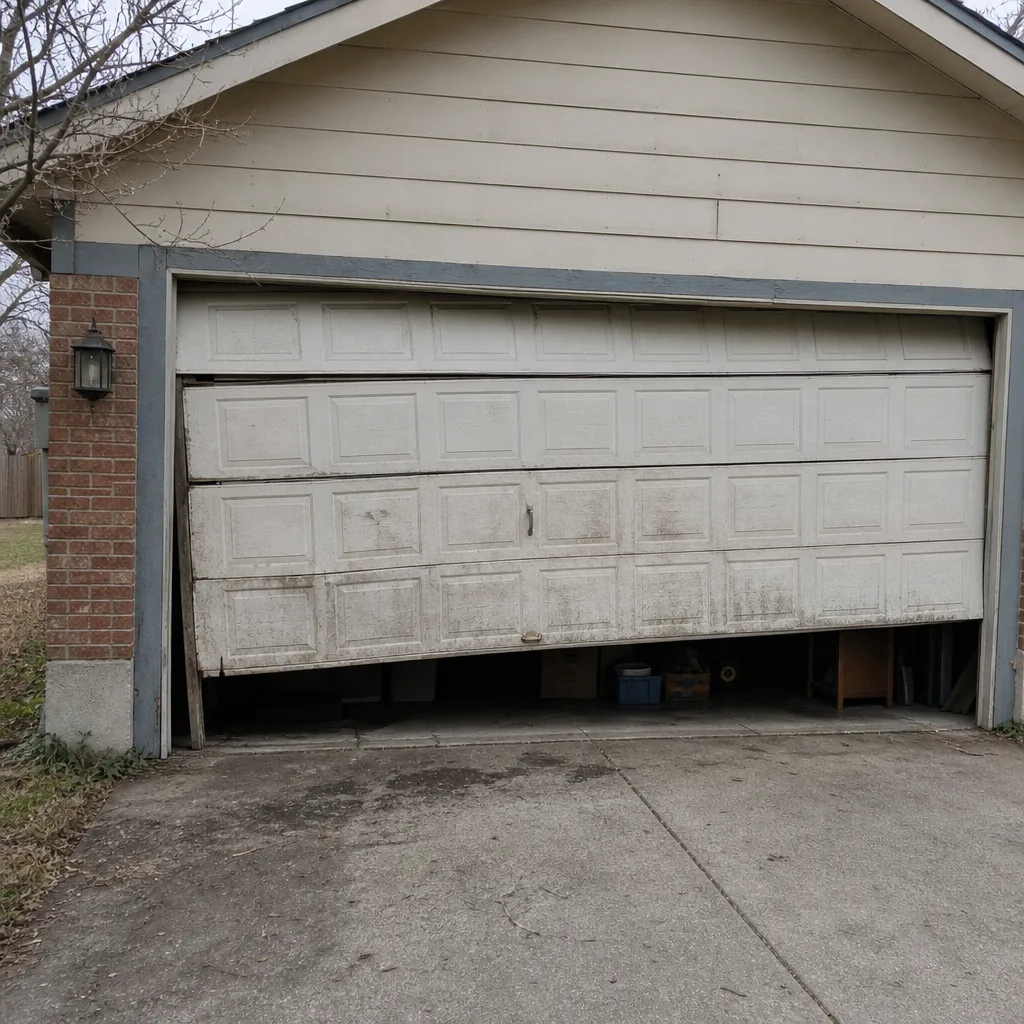 Before
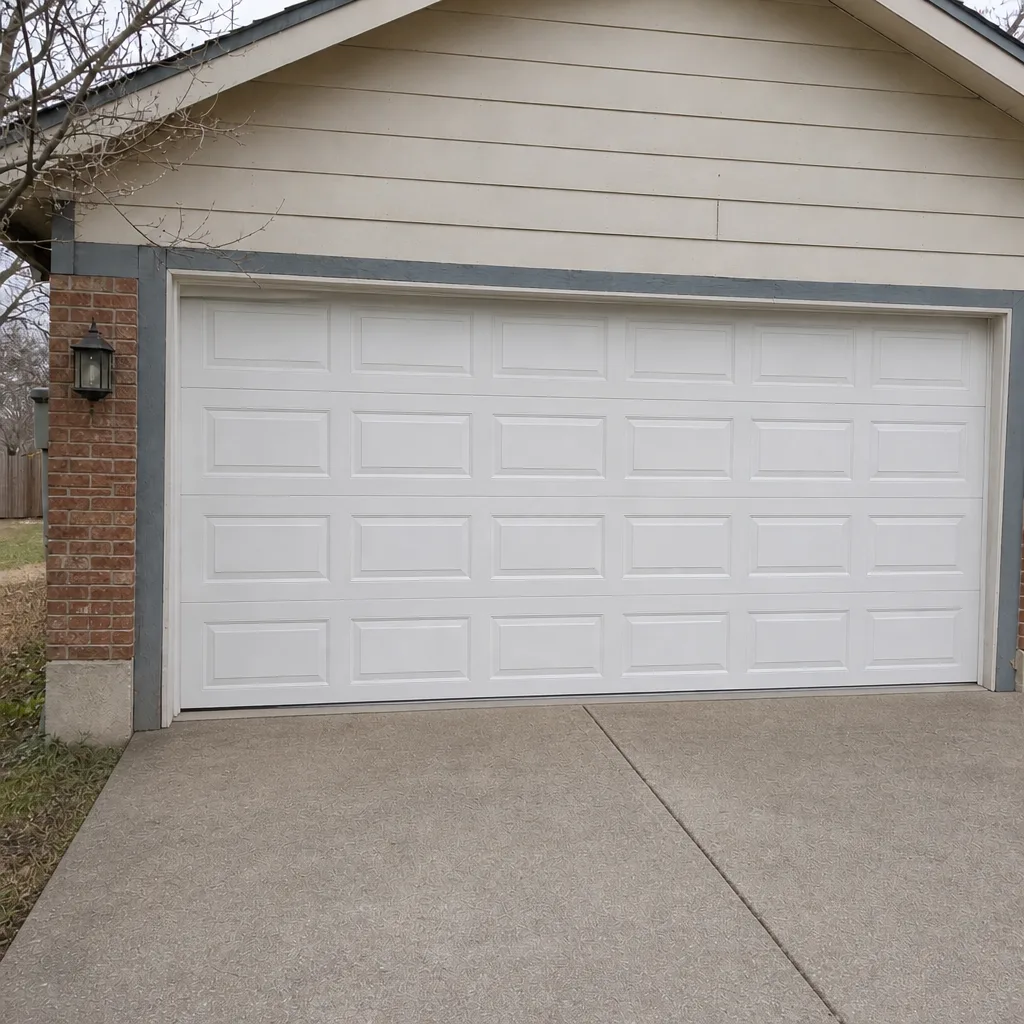 After
When to Call a Professional
A permit question about a garage door in Meadow Hills is rarely a DIY question. Call a professional when the opening needs modification, when a new opener requires wiring, when a spring or cable gives way, when an inspection is coming up and the door might not pass, or when you’ve discovered unpermitted work from a previous owner and want a straight read on what the inspector is likely to flag. Springs and cables are the most dangerous part of this trade and they’re not a homeowner job; if the door is balanced and opening, the work still belongs to a technician who knows what a loaded torsion spring will do if it’s mishandled. Garage Door Repair Meadow Hills offers free estimates in Meadow Hills. Call (855) 337-1334. We answer 24/7. Fast dispatch from 7am to 7pm, Sunday through Friday.
Frequently Asked Questions
Often no, if it’s a like-for-like replacement in the same opening with no structural or electrical changes, but anything that modifies the opening or adds wiring usually requires a permit. Confirm with the local building department for your specific address, because the answer depends on the scope of the work and the jurisdiction that governs your property. Call (855) 337-1334 for an exact quote – estimates are free.
No, if the new opener goes on the same outlet and the same circuit as the old one, and yes if it requires a new circuit, a new outlet, or wiring that didn’t exist before. Electrical work is where permits matter most, and new wiring should always be handled by a licensed electrician. Call (855) 337-1334 for an exact quote on the opener side – estimates are free.
It checks the door against approved plans, anchorage and fasteners, clearances, opener safety functions, balance and travel, any new electrical work, and the documentation on site. The most common failure isn’t the door itself; it’s missing paperwork, including the manufacturer’s installation manual and the permit card. Call (855) 337-1334 for an exact quote – estimates are free.
Most jurisdictions offer a retroactive permit path: the homeowner applies, the work is inspected, and if it meets current code, it’s signed off. If the door doesn’t meet current wind-load or anchorage requirements, the inspector may require corrective work before sign-off. Start the process before you list the house, not after. Call (855) 337-1334 for an exact quote – estimates are free.
Yes. Buyers and their agents can pull permit history from the local building department, and missing permits for substantial work can slow down closing while the paperwork is sorted. Storm damage claims can also ask for documentation of the installation. It’s worth pulling the history before you buy and before you list.
Our prices are quoted and agreed before any work starts. The written estimate is the price. If we open a door and find something the estimate couldn’t have captured, we stop and talk to you before doing anything that changes the number. For a repair call (855) 337-1334 – estimates are free, and we answer 24/7.
The local professionals we connect you with are licensed and insured as their state requires, and we work with vetted local specialists for the trade. Our technicians have up to 10 years of experience with springs, openers, and full installations across the brands homeowners actually own. Call (855) 337-1334 for an exact quote – estimates are free.
The Bottom Line
Paying attention to the permit question on a garage door in Meadow Hills isn’t bureaucracy for its own sake. It’s the difference between a clean paper trail and a problem that surfaces at the two moments you have the least leverage: the sale and the claim. Like-for-like replacements often don’t need one; structural changes and new electrical work usually do. Wind-load and anchorage are the code’s real focus, so install to the manufacturer’s spec and keep the manual on site. If you’ve inherited unpermitted work, get it retroactively permitted before you need to, not after. And if the door itself is what needs fixing, we’re the specialist to call.
Written by the team at Garage Door Repair Meadow Hills.