
Last updated November 20, 2026
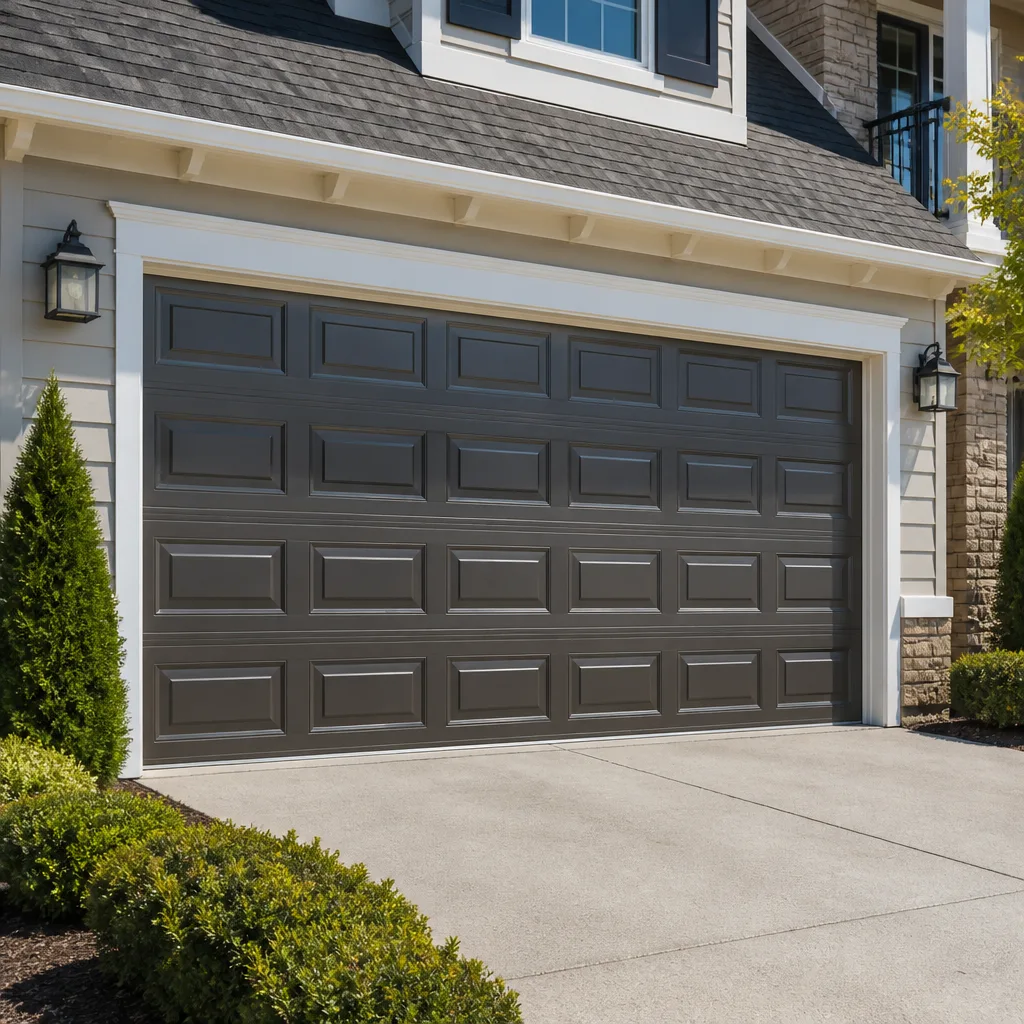 Raised-panel steel
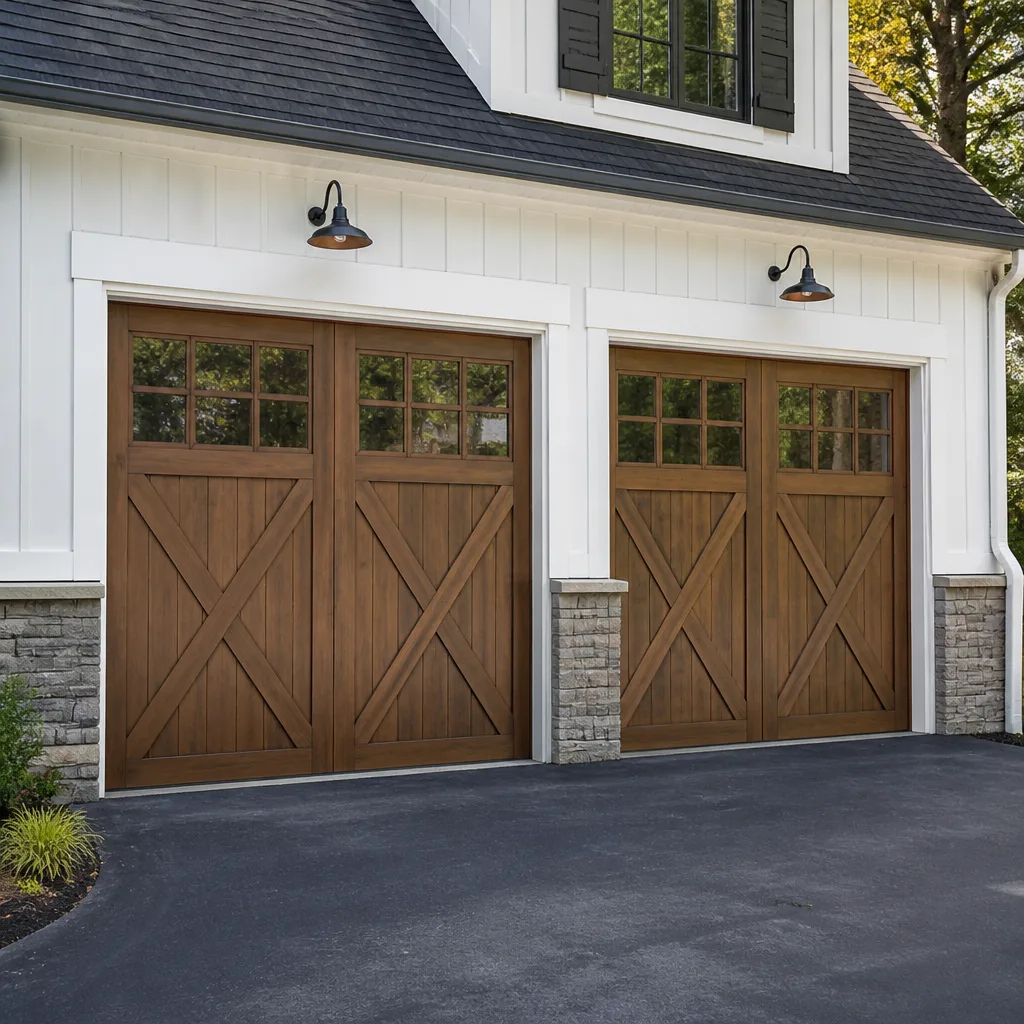 Carriage house
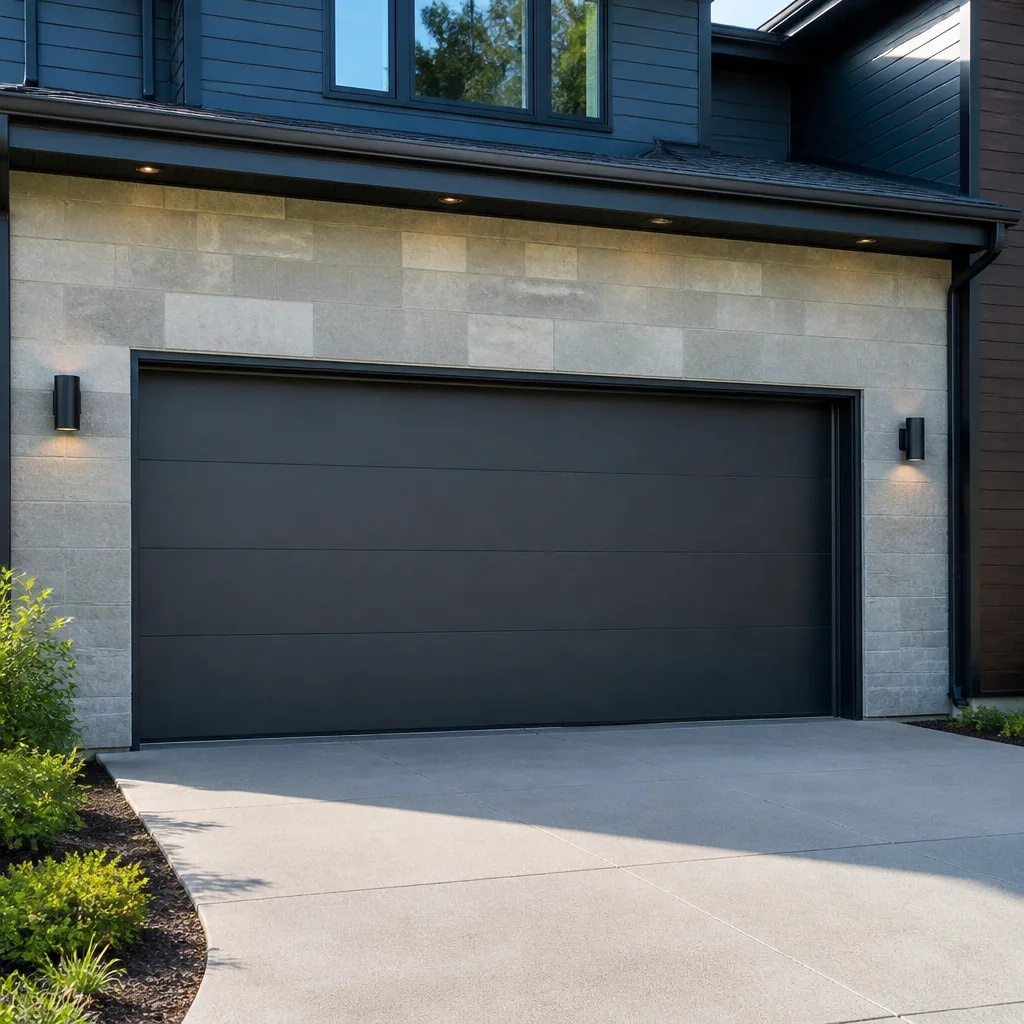 Modern flush
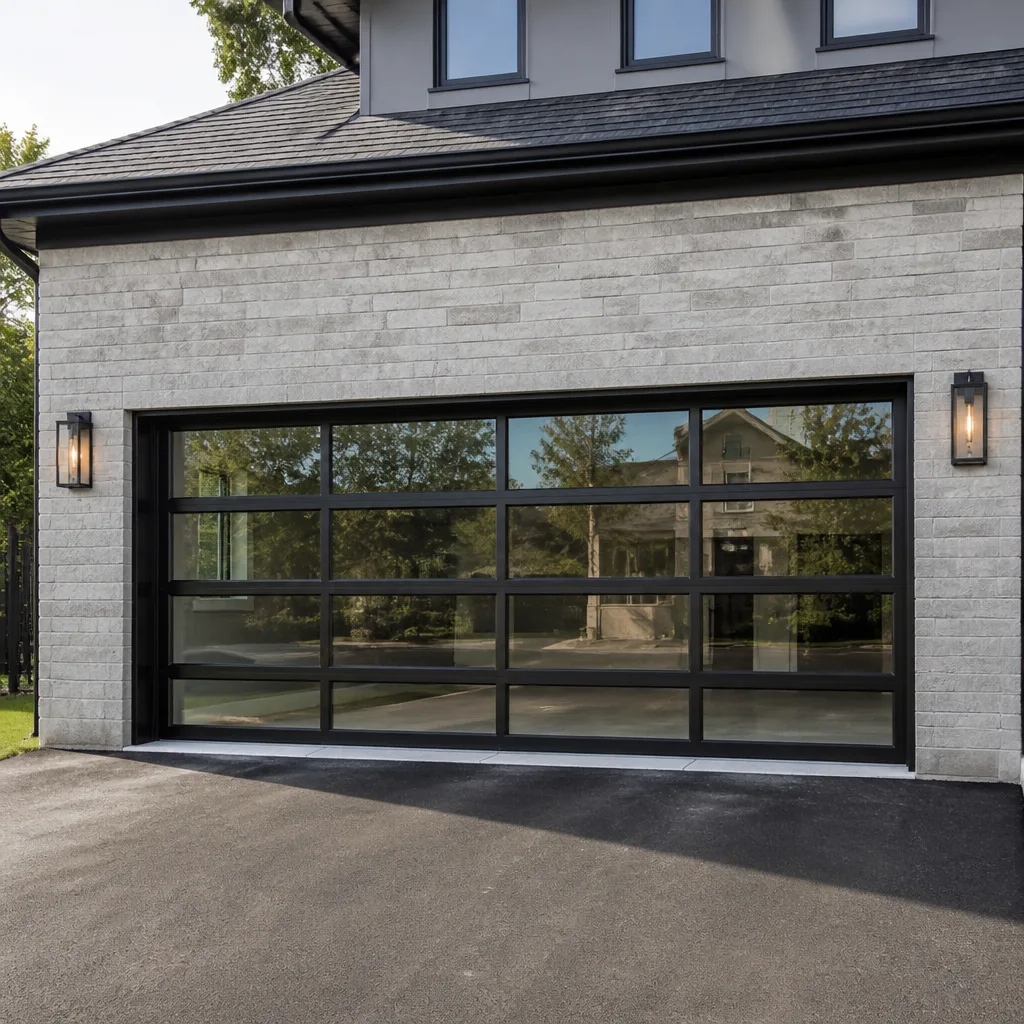 Full-view glass
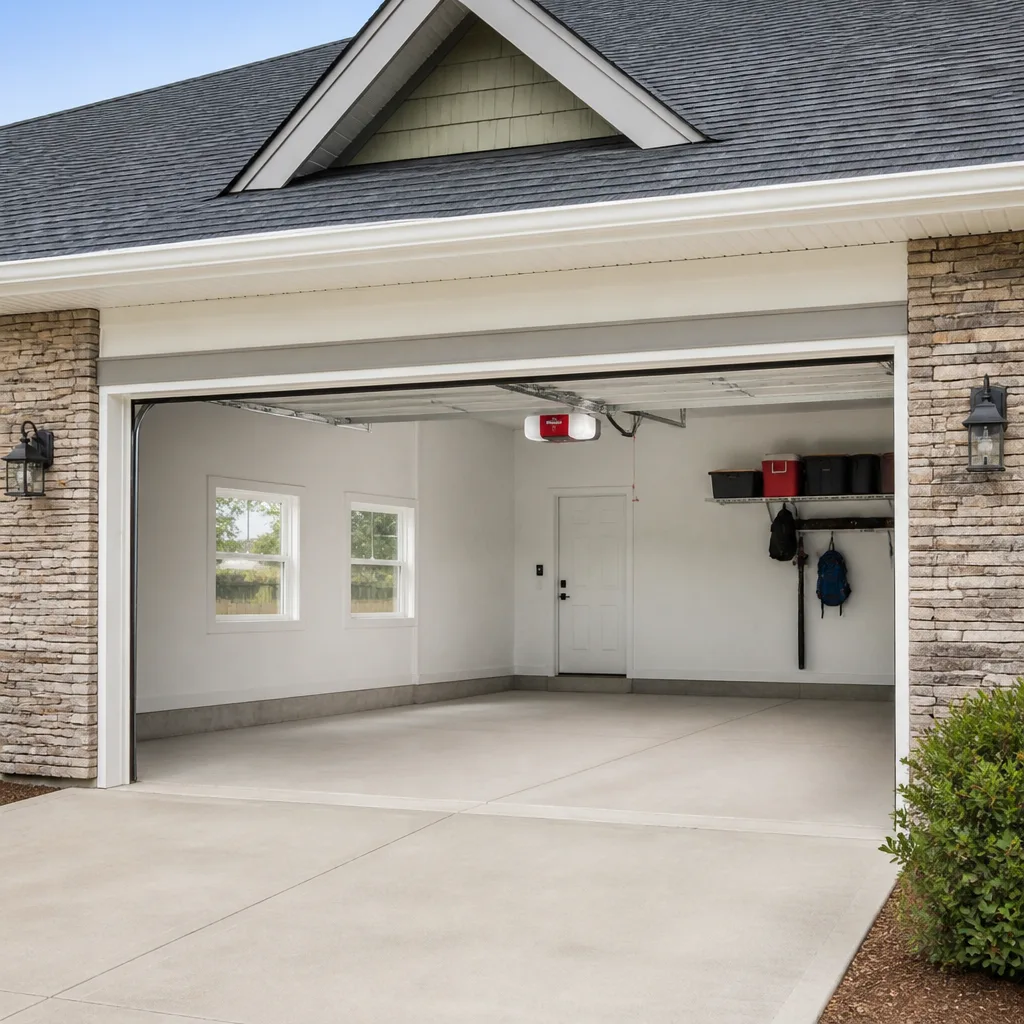 LiftMaster openers
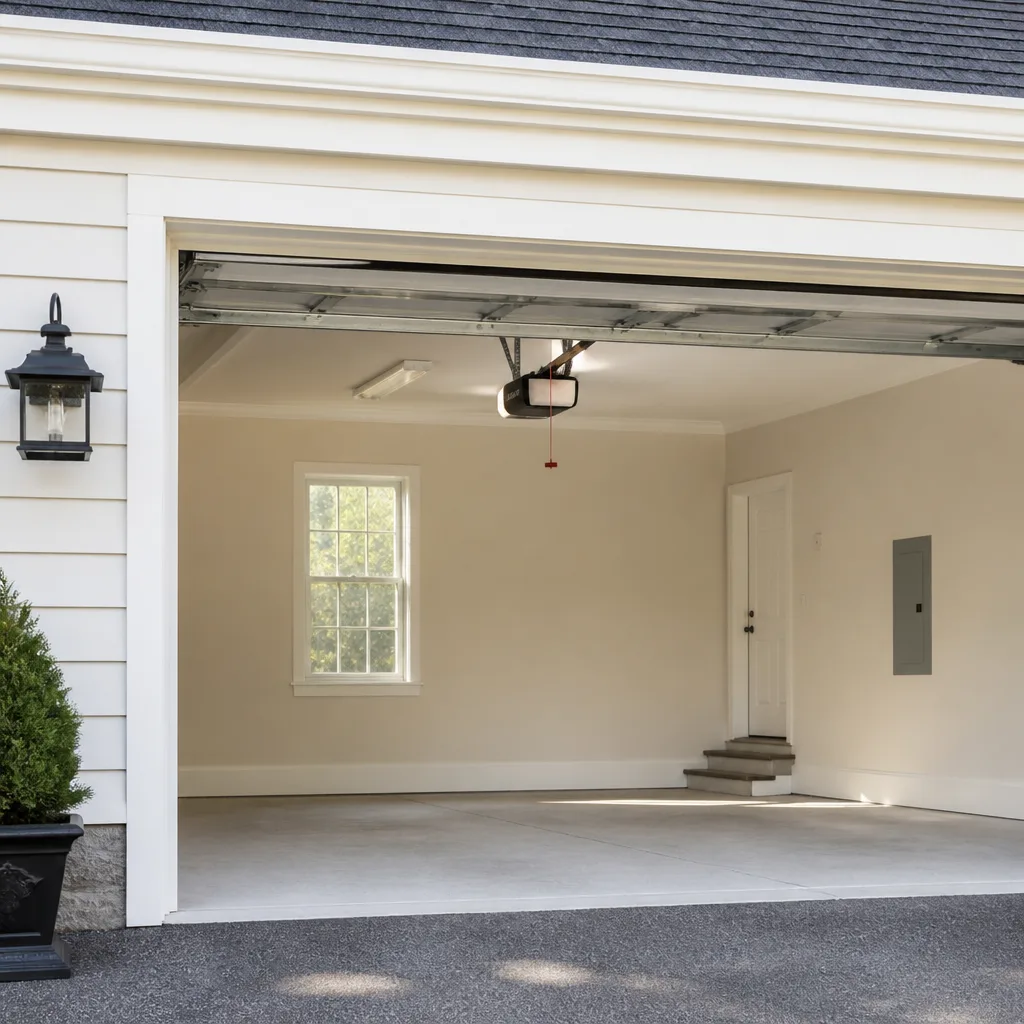 Chamberlain openers
Full 25-point door and opener safety check with every visit - springs, cables, rollers, tracks, and your LiftMaster or Chamberlain opener included
You get a price before we start. It does not change when the pro arrives.
Get your free estimateGarage Door Repair Maintenance Checklist for Meadow Hills Homeowners
The number one cause of premature garage door failure in Colorado isn’t weather. It’s the wrong lubricant applied to the wrong component during well-intentioned DIY maintenance. We’ve watched homeowners carefully oil every moving part on a door and quietly ruin the springs, the cables, and the opener’s travel in one afternoon. A garage door isn’t one machine; it’s a set of subsystems that each want something different from you, and the generic ten-point list you’ll find online ignores that entirely. This guide breaks the checklist down component by component, matched to the torsion and extension spring setups common in Meadow Hills garages, so you know exactly what to inspect, what to lubricate, and what to leave alone.
Quick Answer
A good garage door maintenance checklist for Meadow Hills covers six things separately: springs, cables, rollers, tracks, the bottom seal, and the opener. Inspect the whole door once a season, lubricate hinges and rollers with silicone spray (never grease the springs or the tracks), and treat any broken spring, frayed cable, or sagging panel as a stop-and-call situation. A balance and force test tells you whether the opener is carrying weight it shouldn’t.
Styles & brands we work with
- Raised-panel steel
- Carriage house
- Modern flush
- Full-view glass
- LiftMaster openers
- Chamberlain openers
Table of Contents
- Safety First: What You Can Check and What You Shouldn’t Touch
- Spring Inspection: Torsion vs. Extension Systems
- Cables: The Component That Fails Quietly
- Rollers and Tracks: Where Alignment Trouble Starts
- The Bottom Seal and Colorado’s Freeze-Thaw Cycle
- Opener Maintenance: Force, Balance, and Limits
- Seasonal Adjustment Notes for Meadow Hills
- Red Flags That Reset the Maintenance Clock
Safety First: What You Can Check and What You Shouldn’t Touch
You can inspect almost everything on a garage door with your eyes and ears. You should not adjust, remove, or “test” the springs or cables by hand. Those two components store enough energy to cause serious injury, and the risk rises the moment a tensioned spring is touched without the right tools and knowledge. This is not a job where curiosity pays off.
We work on every part of a garage door, and the calls we want to prevent are the ones that start with “I tried to tighten the spring myself.” A torsion spring under load can release suddenly if a winding bar slips, and a stretched extension spring can snap back with no warning. Frayed cable is just as unforgiving. When we send a technician out, that’s a trained garage door technician, not a generalist handyman who happens to be nearby, because the skill set here is specific.
Here’s what a homeowner can safely do:
- Look at springs, cables, and hardware. Note anything that looks different from the rest.
- Listen to the door as it opens and closes. Grinding, popping, and scraping are information.
- Feel for vibration on the door’s edge during travel, from a safe distance.
- Lubricate hinges, rollers, and the opener’s chain or screw with the correct product.
- Test the balance and the opener’s force response using the door’s own controls.
- Clean the tracks with a dry cloth and check that the bottom seal still seals.
What you should never do: loosen a spring, disconnect a cable, remove a bottom bracket, or try to “re-tension” anything that holds the door’s weight. If any of those components looks wrong, stop and call.
Spring Inspection: Torsion vs. Extension Systems
Meadow Hills garages use both spring types, and they fail differently. A torsion system mounts the spring horizontally above the door on a shaft, and its failure is usually a clean break you can spot at a glance. An extension system mounts springs above the track on each side, running parallel to the horizontal track, and its failure often shows as a stretched-out, sagging spring rather than a break.
For a torsion spring on a Meadow Hills door:
- Stand outside the door, looking up at the shaft above it.
- Check the spring’s coils for a visible gap. A two-inch gap in the coil winding means the spring has broken.
- Look at the winding cones at each end of the spring for any movement or misalignment.
- Test the door by hand with the opener disengaged. It should feel light and stay put halfway up. If it slams or feels heavy, the spring has lost tension.
For an extension spring setup:
- Inspect the spring above each horizontal track from the side, not underneath.
- Look for a spring that’s stretched noticeably longer than its neighbor, or one that’s separated from its safety cable.
- Check that the safety cable (a steel cable running through the center of the spring) is intact and attached at both ends. Some older Meadow Hills homes still have springs without one, which is a call-us item.
- Listen for a door that bangs or drops slightly when it reaches the top.
Springs on either system are matched to the door’s weight. Two springs of the same size and wire gauge must be replaced as a pair, not one at a time, because a new spring paired with a tired one will wear faster and leave the door unbalanced. When we quote a spring repair, we quote per spring, and we’ll tell you whether you need one or both.
Cables: The Component That Fails Quietly
Cables don’t announce themselves the way springs do. A frayed or worn cable can look almost fine from three feet away and still be a failure waiting to happen. This is the part of the checklist where a little extra attention pays back most, because a cable failure on a torsion door usually drops the door’s whole balance in a hurry.
Here’s what to look for on each of the two lift cables:
- Fraying or broken strands. A healthy cable is a smooth continuous braid. Individual strands poking out at any point is the red flag.
- Rust or discoloration. Cables on Meadow Hills doors see moisture from snowmelt dragging in on the car. Surface rust is common and usually harmless; deep pitting in the wire is not.
- Drum position. The cable wraps onto a drum at the top of the door on torsion setups. If the cable has jumped the drum or is riding loose, stop using the door.
- Sagging. A cable with visible slack when the door is closed is out of adjustment.
- The bottom bracket. This is the bracket the cable attaches to at the door’s base. The bracket is under high tension. Do not touch it, do not loosen it, and do not tighten it yourself.
If a cable is frayed, worn, or looks off at the drum, close the door and leave it closed until a technician looks at it. Opening the door on a compromised cable is how a repair becomes a bigger one. The cable, the drum, and the spring all work together, so replacing a cable usually means inspecting the rest of that system in the same visit. Cables aren’t a component we replace on a maintenance schedule; they’re replaced when they’re worn, and wear is what you’re checking for.
Rollers and Tracks: Where Alignment Trouble Starts
Rollers and tracks are the parts homeowners can genuinely maintain themselves, and getting them right saves wear on the opener and the door. Rollers ride in the track and carry the door’s edge along the curved and straight sections. They come in steel (noisy, durable) and nylon (quieter, wears faster). Meadow Hills homes tend to have the nylon style on newer doors because it makes the door quieter on an attached garage wall.
Check the rollers for:
- Flats or cracks in the roller’s surface
- Loose rollers in their stems (they should swivel freely but not wobble)
- Chipped or broken nylon rollers, which usually show as small chunks missing
- Rust at the rollers’ bearings
Check the tracks for:
- Dents or bends, especially on the vertical section near the floor where a car bumper can catch
- Loose mounting brackets or bolts that have walked out
- Dirt and grit on the track surface
- Gaps between the two vertical tracks or between the vertical and curved sections
Tracks need a wipe-down with a dry cloth, not a lubricant. Greasing tracks attracts grit and turns a clean path into a sticky mess that drags on the rollers. If a track is bent or out of alignment, it will wear out rollers fast and can push the door’s edge against the frame. Small track adjustments are a technician’s job because the door’s weight is riding on those rails. If a track is visibly bent, don’t run the door until it’s looked at.
The Bottom Seal and Colorado’s Freeze-Thaw Cycle
The bottom seal is the rubber strip at the base of the door, and in Meadow Hills it does more work than most homeowners realize. It’s the barrier against drafts, snowmelt, and the small pests that find their way into a garage. It also compresses against the floor when the door closes, and that compression is what lets the opener’s closing force sensor know it has reached the floor.
Check the bottom seal by:
- Running a hand (with the door fully open) along the bottom edge to feel for cracks, hardened rubber, or missing sections.
- Looking at the gap between the seal and the floor from inside the garage with the door closed and the light off. Bright slivers of daylight mean the seal is no longer sealing.
- Checking for tear-away strips still installed on a new-looking seal; those help the door reverse if it closes on an obstruction, but they wear out over time.
- Confirming the seal is still attached along its whole length, not peeling at one end.
Cold weather is hard on seals. A rubber seal that’s still pliable in August can turn hard and brittle through a Meadow Hills winter, and once it cracks, snowmelt rides in under the door and freezes to the floor. When that happens, the door can freeze to the concrete overnight and the opener will strain against a door that won’t budge. Replacing a bottom seal is a straightforward job and far cheaper than the opener wear it prevents. The seal is also where the door’s safety reverse system gets its footing, so a bad seal can mean a door that reverses on its own or comes down harder than it should.
Opener Maintenance: Force, Balance, and Limits
The opener does the lifting, but it isn’t supposed to carry the door’s weight. A properly balanced door feels light to the touch, and the opener’s job is to nudge it along, not to fight gravity. When the opener starts working harder than it should, it’s usually telling you the door is out of balance, not that the opener needs replacing.
The opener brands we see most often in Meadow Hills homes are LiftMaster and Chamberlain, with Genie showing up on plenty of older installations. Each has its own adjustment procedures, and the manual for the specific model is where you’ll find the correct method. We work on all of them, and knowing what each brand wants is half the diagnosis.
Two tests worth running at home, following the manufacturer’s instructions for your model:
The balance test. Pull the emergency release rope to disengage the opener from the door. Lift the door halfway by hand and let it go. A balanced door stays put. A door that sags or drops is out of balance, which means the springs have lost tension and the opener has been compensating. Re-engage the opener only after you’ve confirmed the door is balanced.
The force test. With the opener engaged and the door at the midpoint of travel, place a small object like a roll of paper towels under the door’s path and close the door. It should reverse on contact. If it doesn’t, or if it needs a heavy object before it reverses, the force setting is too high or the door is binding. Stop using the opener and have the system checked. The reverse function is the door’s most important safety feature and shouldn’t be adjusted by trial and error.
Other opener maintenance you can do yourself: clean the chain or screw drive per the manual, check that the belt (if you have one) isn’t frayed, and confirm the safety sensors at the bottom of each track are aligned and unobstructed. If the opener’s lights flicker, the motor strains, or the door reverses on its own, those are service calls, not maintenance. We also stock and supply garage door parts directly, so if a specific part has failed it doesn’t need to be ordered through a third party before it can be replaced.
Seasonal Adjustment Notes for Meadow Hills
Spring tension changes with temperature. Metal contracts in the cold, and a spring that feels right in mid-July will feel tighter on a January morning. That’s why a door that worked fine all fall can suddenly seem sluggish or hard to lift in the first cold snap of winter. The door itself doesn’t need re-tuning for every cold morning; the springs need to be checked when the change is persistent, not seasonal.
Where does that leave a Meadow Hills homeowner over the year?
- Spring (March to May). Best time for a full inspection. Snowmelt gets into the garage, and the door’s balance after winter is worth confirming.
- Summer. Best time to lubricate hinges and rollers, clean the tracks, and check that the bottom seal is still pliable.
- Fall (September to November). Close and seal the garage against drafts. Check the bottom seal for the cold months ahead and test the reverse function while it’s still warm out.
- Winter. Keep the bottom seal clear of snow and ice, and don’t force the opener through a door that’s frozen to the floor.
One note specific to Meadow Hills: garages here are often on the north or shaded side of the house, which means the driveway apron in front of the door stays slick and slushy longer than the south-facing driveways. A little extra attention to the bottom seal and the track where the cables run through pays off during the melt.
Red Flags That Reset the Maintenance Clock
A maintenance schedule is a guide, not a contract. Some findings override it, and you should skip the schedule and call for a service visit even if you checked the door last month.
- A broken spring. Any visible gap in a torsion spring coil means the door is unsupported and unsafe to run.
- A frayed or broken cable. Never operate a door with a compromised cable.
- A door that drops or slams. This usually means spring tension loss and puts the opener under strain.
- A door that reverses on its own or fails the force test. Stop the door until the reverse function is checked.
- A door that’s off its track. Bending the track or forcing the door back on can cause injury and more damage.
- A loud bang from the garage. That’s typically the sound of a torsion spring breaking. Don’t run the opener; call for service.
- A frozen door. If the door is stuck to the floor in the cold, free it by hand before touching the opener. Forcing it strains the opener and can damage the door.
When one of these shows up, stop maintaining and start repairing. Any of them warrants a call, and the sooner the better. Many of the configurations above we can resolve same day.
Common Mistakes to Avoid
- Greasing the tracks. Lubricant on the track attracts grit and drags on the rollers. A dry cloth is all the tracks want.
- Using WD-40 as a lubricant on everything. It’s a decent cleaner on some parts, but a poor long-term lubricant. Silicone spray on hinges and rollers is what we recommend.
- Ignoring the second spring. Replacing one spring of a matched pair leaves the door unbalanced and shortens the life of the new spring.
- Adjusting the opener’s force setting instead of balancing the door. The right fix is to find out why the door is heavy, not to tell the opener to push harder.
- Avoiding the door for months at a time. A quarterly visual check catches things a homeowner would never notice until they fail.
- Trying to re-tension a spring by hand. A torsion spring carries dangerous stored energy. This is a trained-technician job.
- Letting the bottom seal go too long. A hard, cracked seal lets in snowmelt that freezes, which strains the opener and can freeze the door to the floor.
See the difference
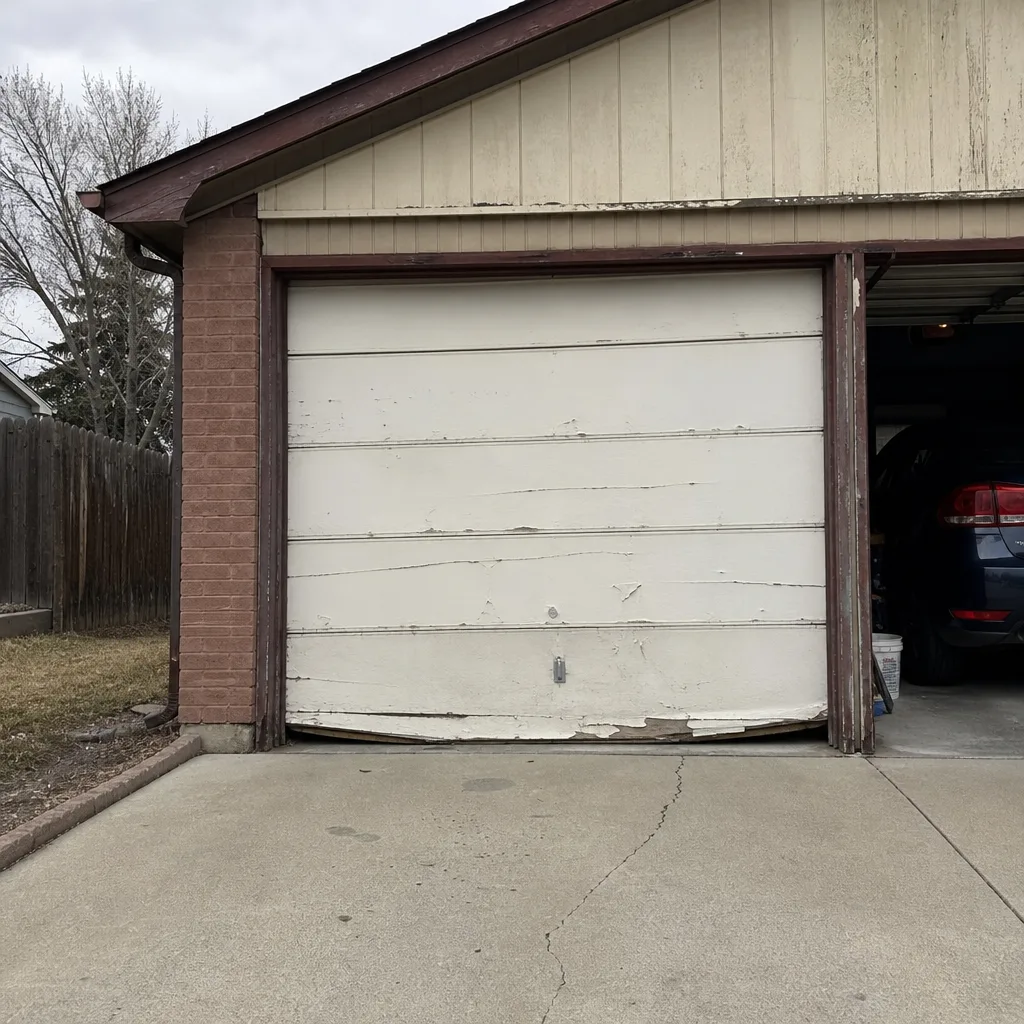 Before
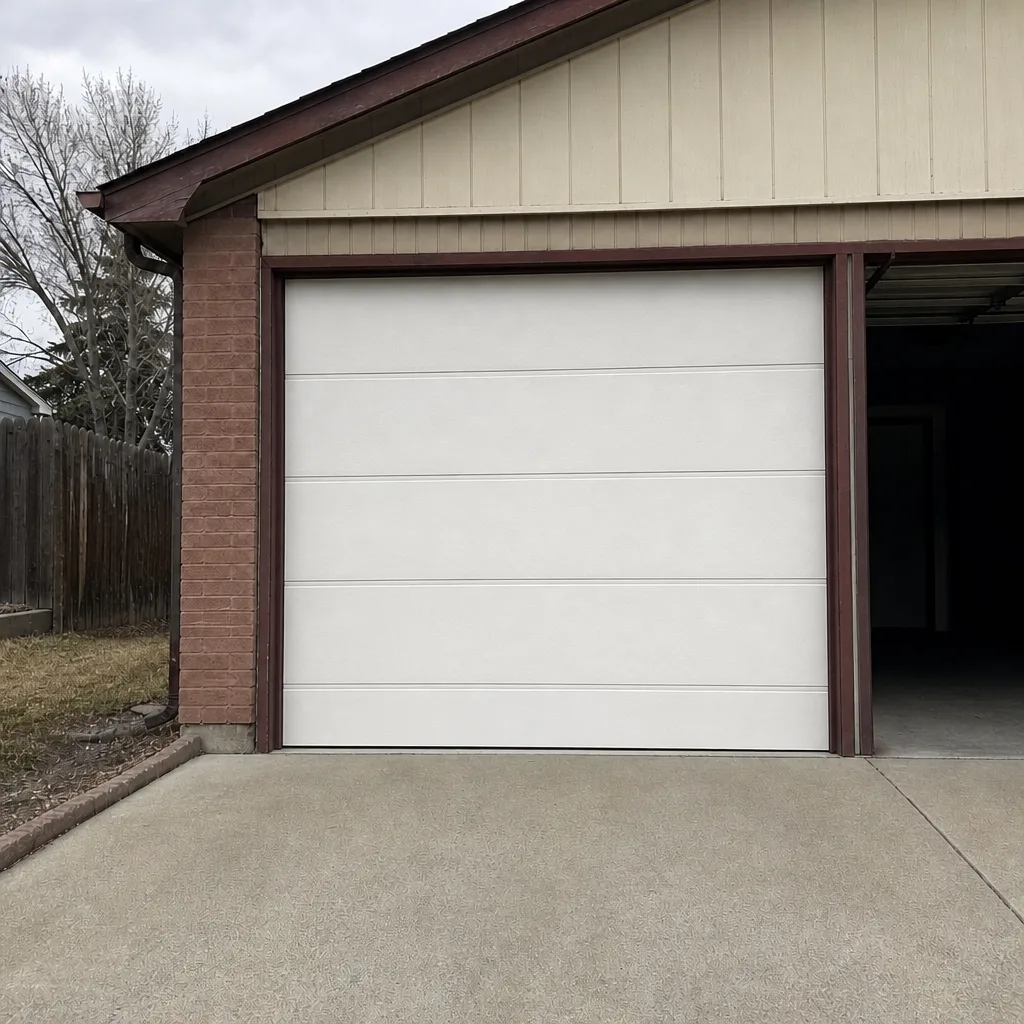 After
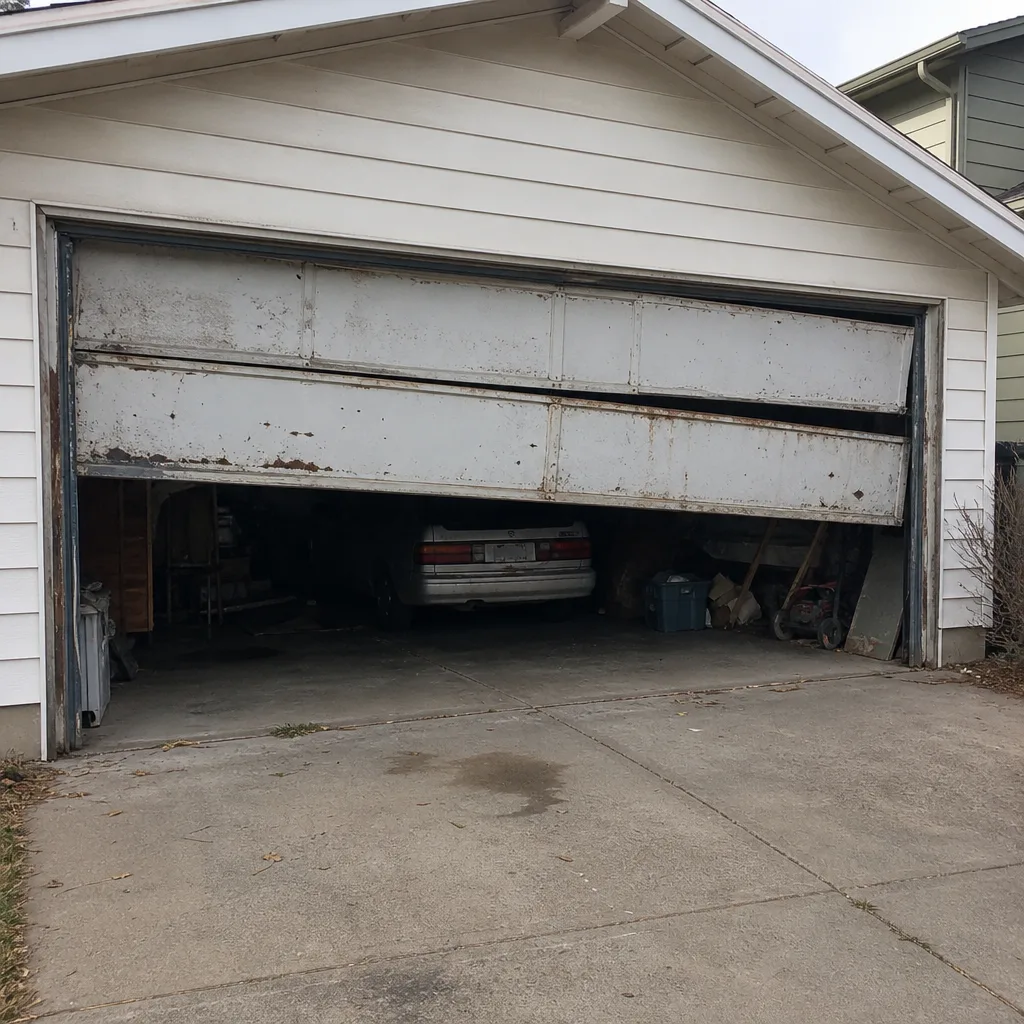 Before
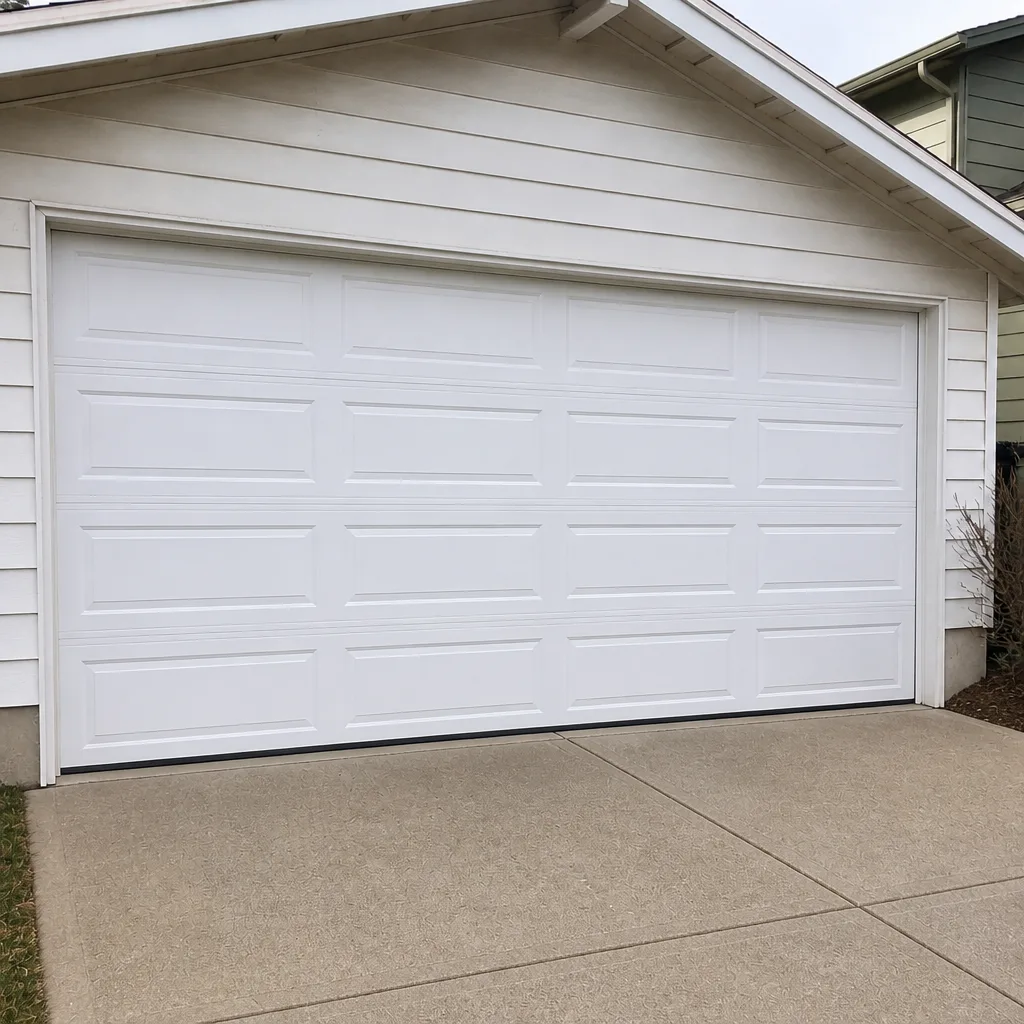 After
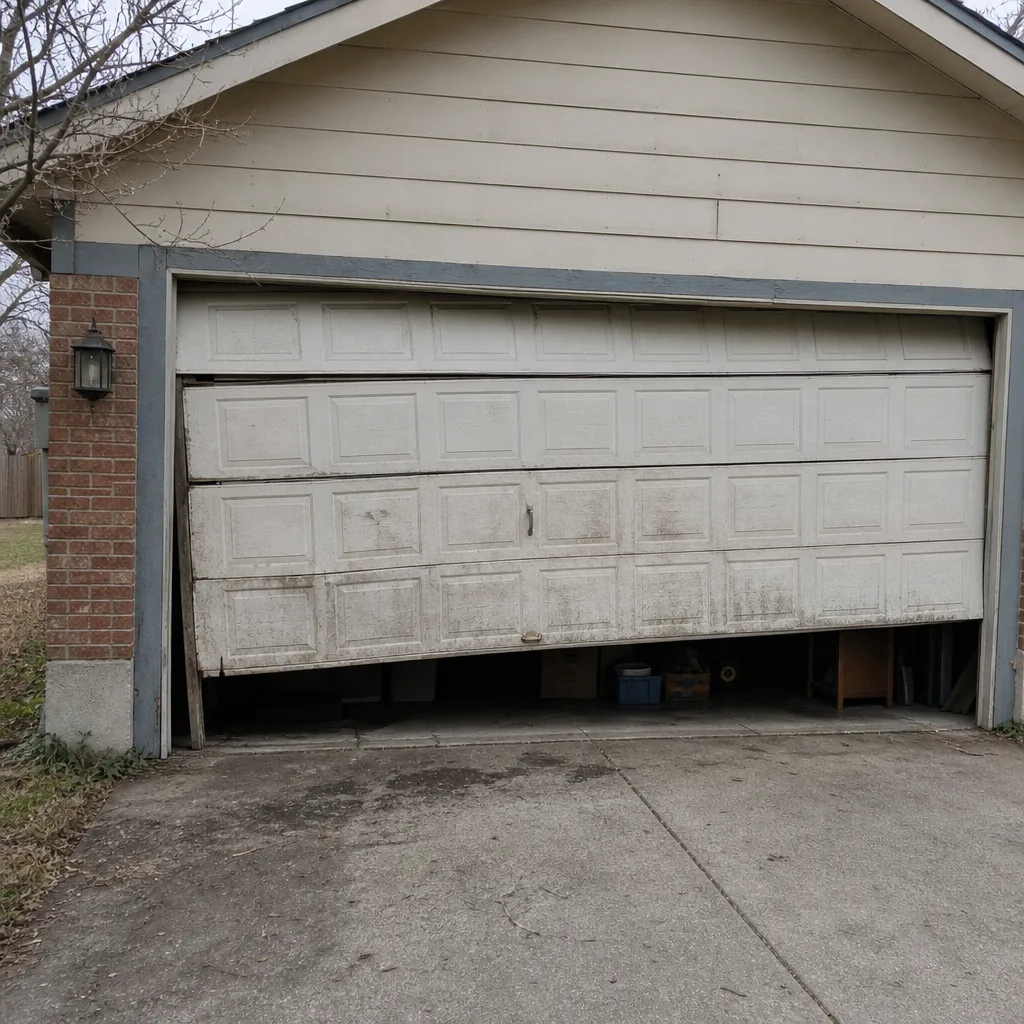 Before
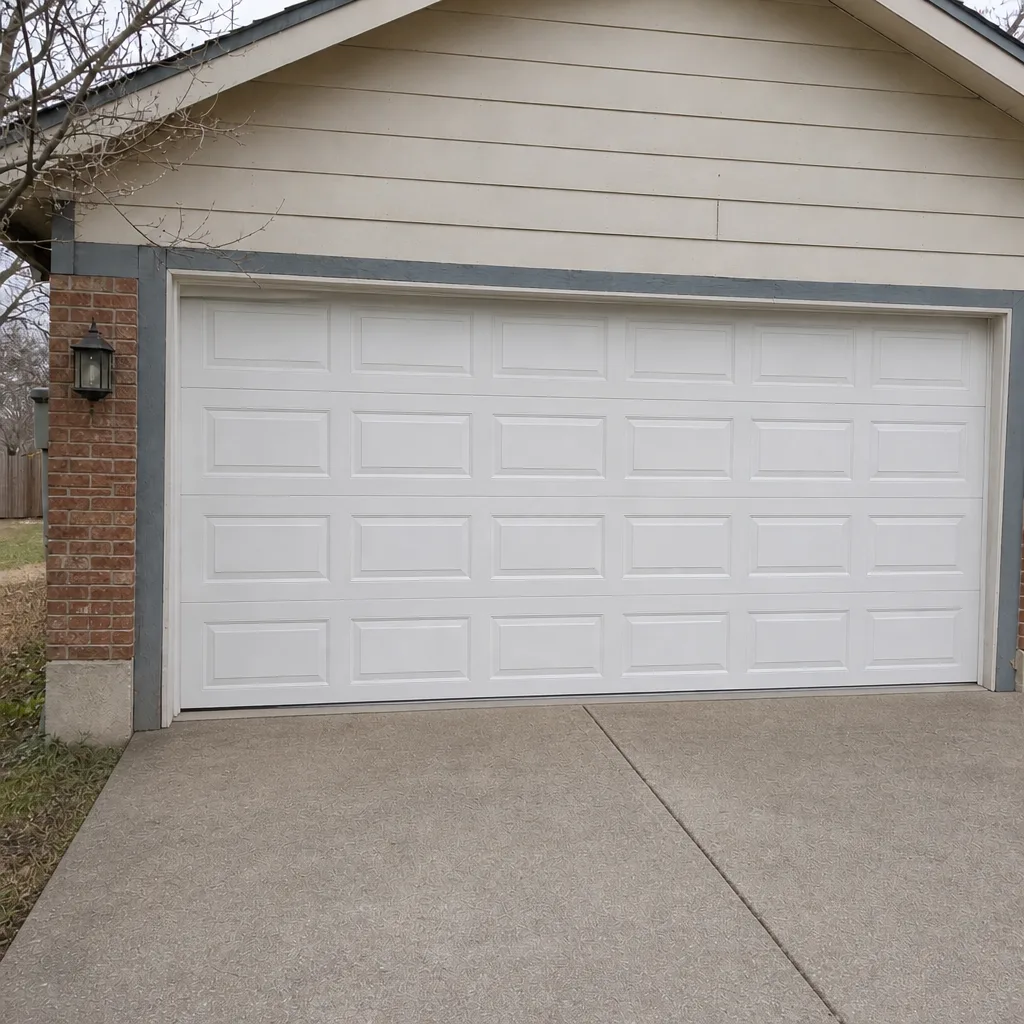 After
When to Call a Professional
Call a professional for anything involving springs, cables, drums, or bottom brackets, and for any door that fails the balance or force test. Call immediately if you hear a loud bang from the garage, see a gap in a torsion spring, or find a frayed cable. Also call if the door is off its track, if the opener strains when lifting, or if the bottom seal has frozen the door to the floor. If the door is completely inoperable, we can book a same-day visit. If you’re planning a new door or a major overhaul, we’ll recommend the right approach and quote it in writing before work starts. Garage Door Repair Meadow Hills offers free estimates in Meadow Hills. Call (855) 337-1334.
Frequently Asked Questions
Once a year for a full inspection, and a visual check each season. Lubricate hinges and rollers every six months, check the bottom seal before winter, and run the balance test any time the door feels heavier than usual. Meadow Hills winters are hard on seals and tension, so the fall inspection matters most.
Silicone spray on hinges and rollers. Lithium grease is sometimes used on the opener’s chain, but follow the opener’s manual for that. Never grease the tracks or the springs, and never use WD-40 as your routine lubricant.
A slight change is normal because metal contracts in cold. If the door lifts much harder than it did the week before, the springs are likely losing tension and should be inspected. Don’t compensate by cranking up the opener’s force setting.
No. Torsion springs under tension can release with enough force to cause serious injury, and an extension spring can snap back without warning. This is a job for a trained technician with the right tools. We handle spring repair as a core service, and every call is from a garage door specialist, not a generalist.
Run the balance test first. Pull the release rope to disengage the opener, lift the door halfway, and let it go. If the door stays up, the opener is the likely trouble. If it drops, the springs or hardware are the problem. Either way, let a technician look at it before you decide. LiftMaster and Chamberlain openers are what we work on most, and each has its own troubleshooting path.
Spring replacement runs per spring, and a matched pair costs about twice a single spring. The written estimate sets the final price, and you’ll have it before work starts. Call (855) 337-1334 for an exact quote. Estimates are free.
The Bottom Line
A garage door is a system, not a single machine. Springs, cables, rollers, tracks, the bottom seal, and the opener each need something different, and the biggest mistake is treating them the same. Springs and cables are inspection-only for homeowners. Rollers and hinges want silicone spray. Tracks want a clean cloth. And any broken spring, frayed cable, or failed force test resets the whole schedule. Run the checklist quarterly, lubricate twice a year, watch the bottom seal as Meadow Hills winter sets in, and call before small findings become expensive repairs.
If anything on your door needs a closer look, or if you just want an expert opinion on where it stands, Garage Door Repair Meadow Hills is one call away for garage door repair, garage door opener repair, and garage door installation, along with spring repair and parts. Our technicians have up to 10 years of experience, and we work on LiftMaster, Chamberlain, Genie, Clopay, Amarr, Wayne Dalton, Craftsman, and Raynor equipment. Call (855) 337-1334 for a free estimate. We answer 24/7. Fast dispatch from 7am to 7pm, Sunday through Friday.
Written by the team at Garage Door Repair Meadow Hills.