
Last updated November 20, 2026
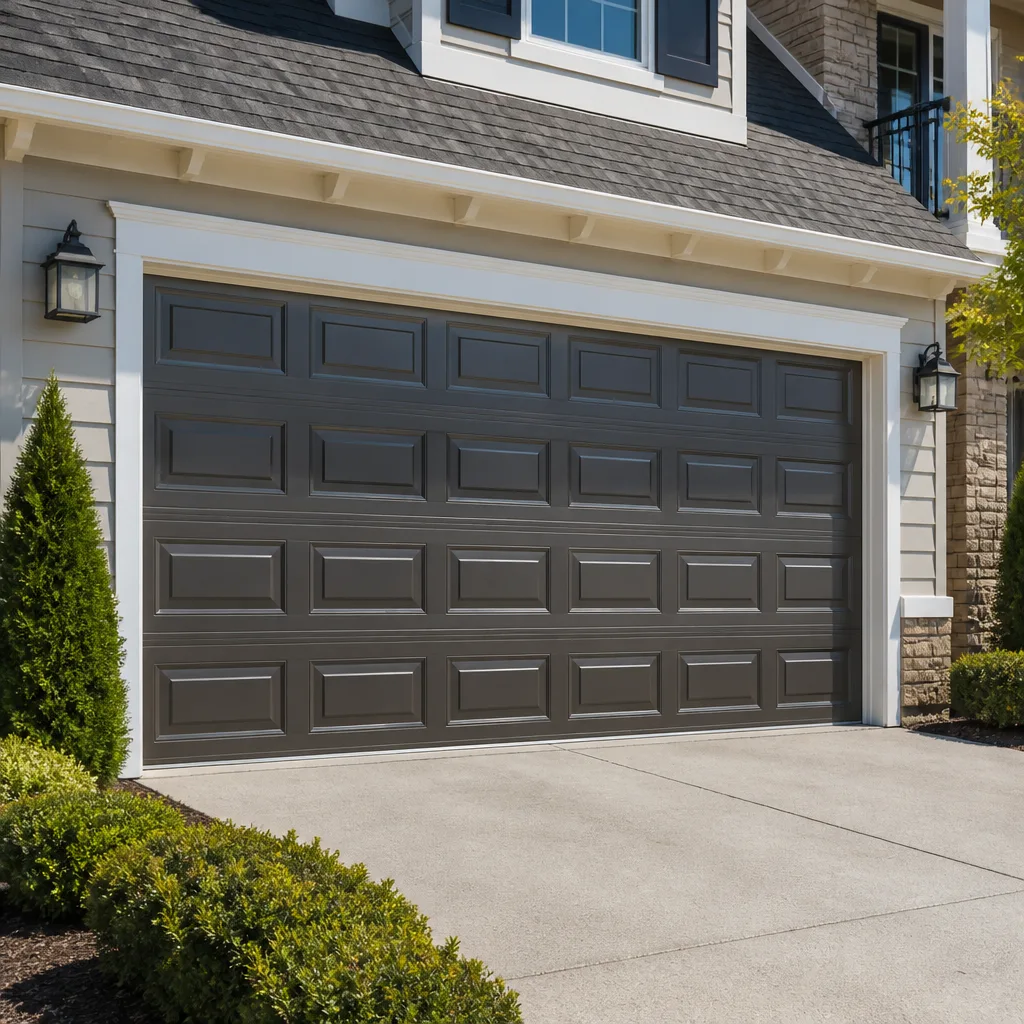 Raised-panel steel
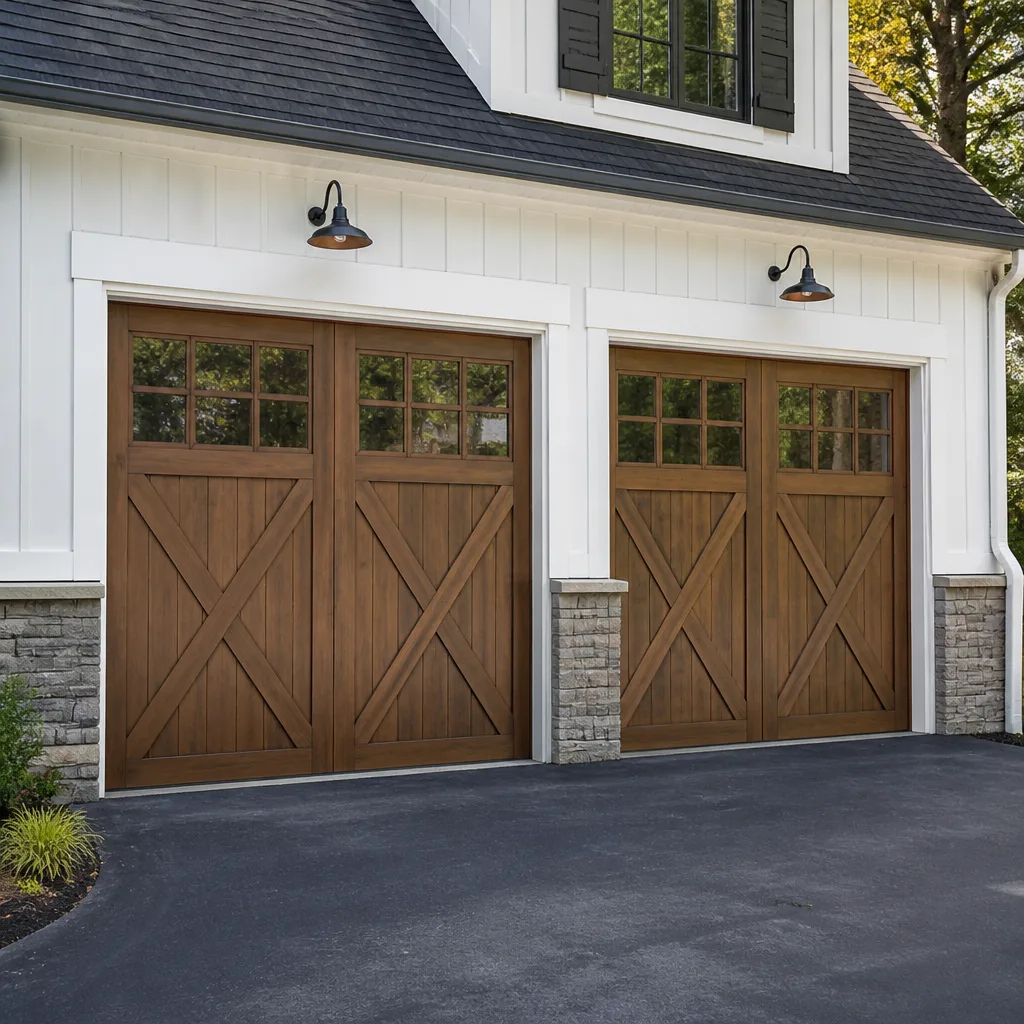 Carriage house
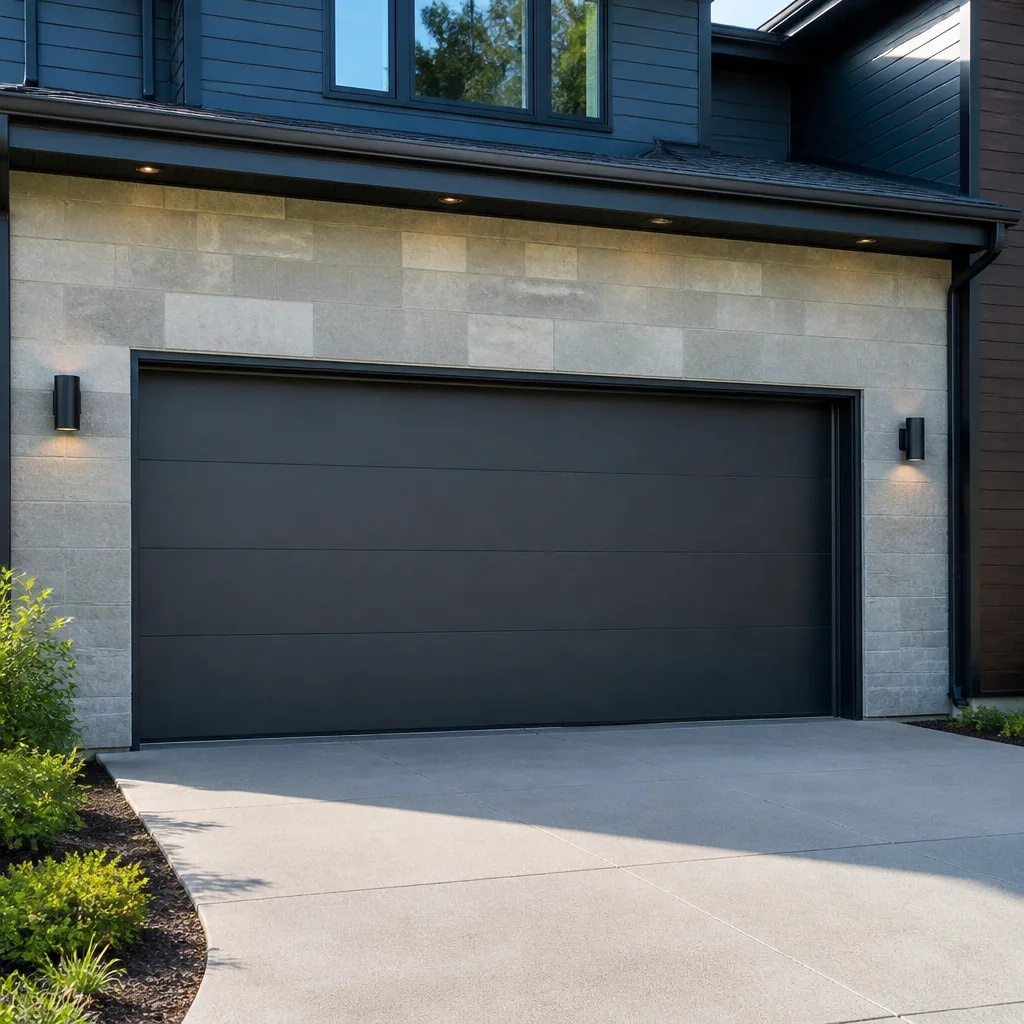 Modern flush
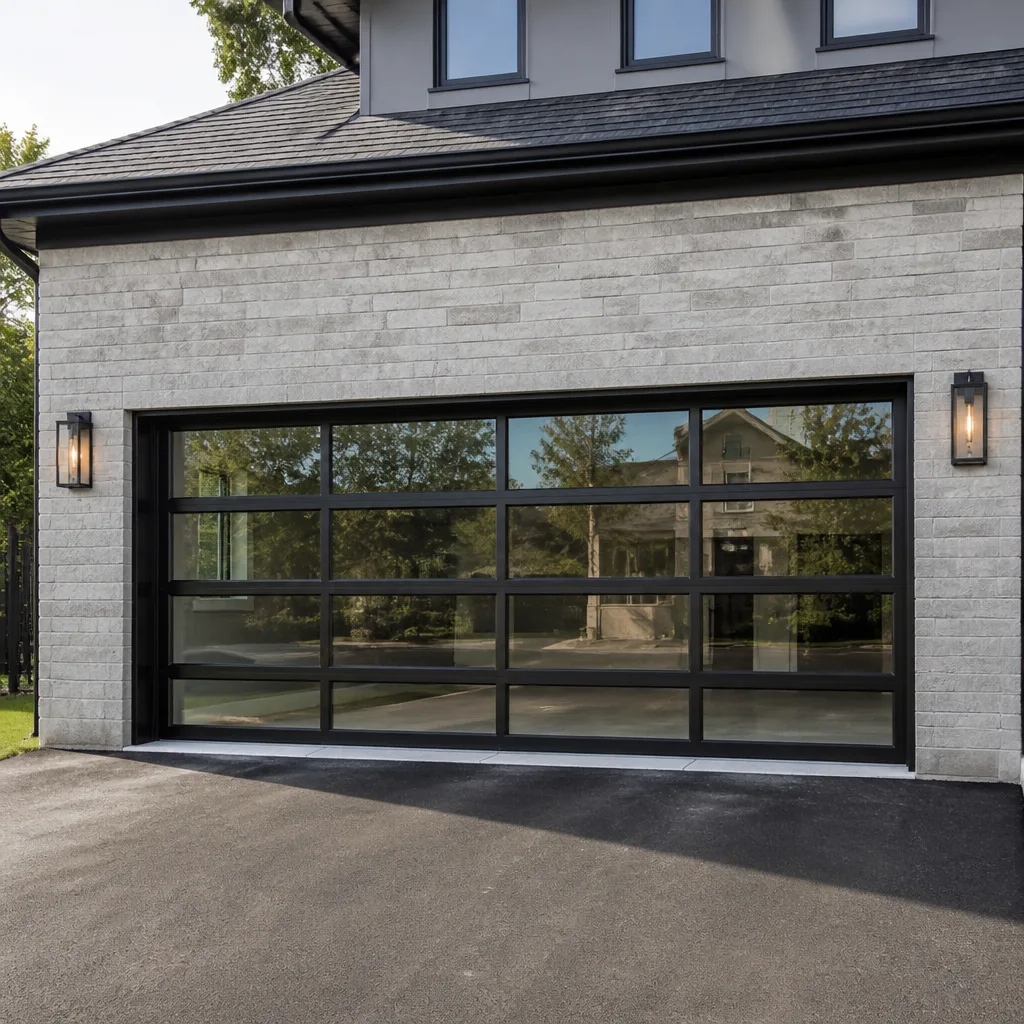 Full-view glass
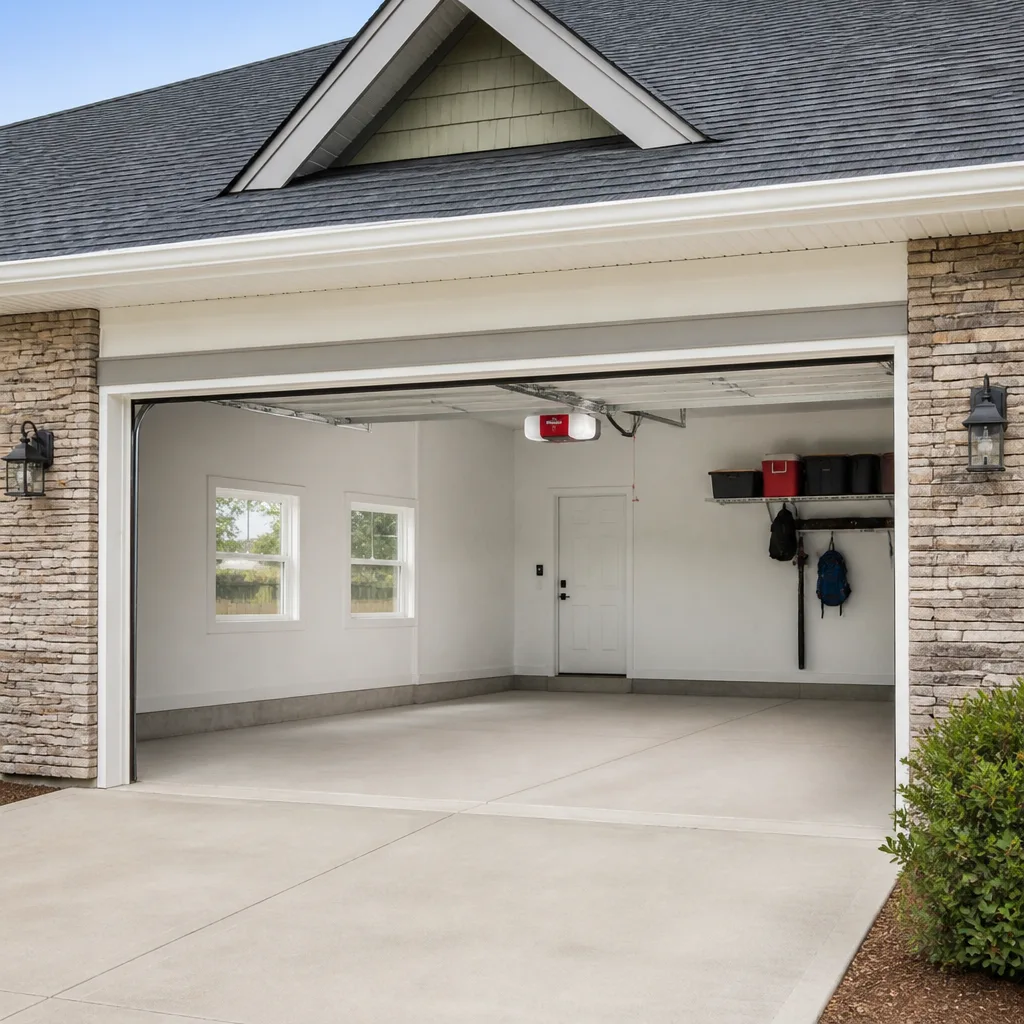 LiftMaster openers
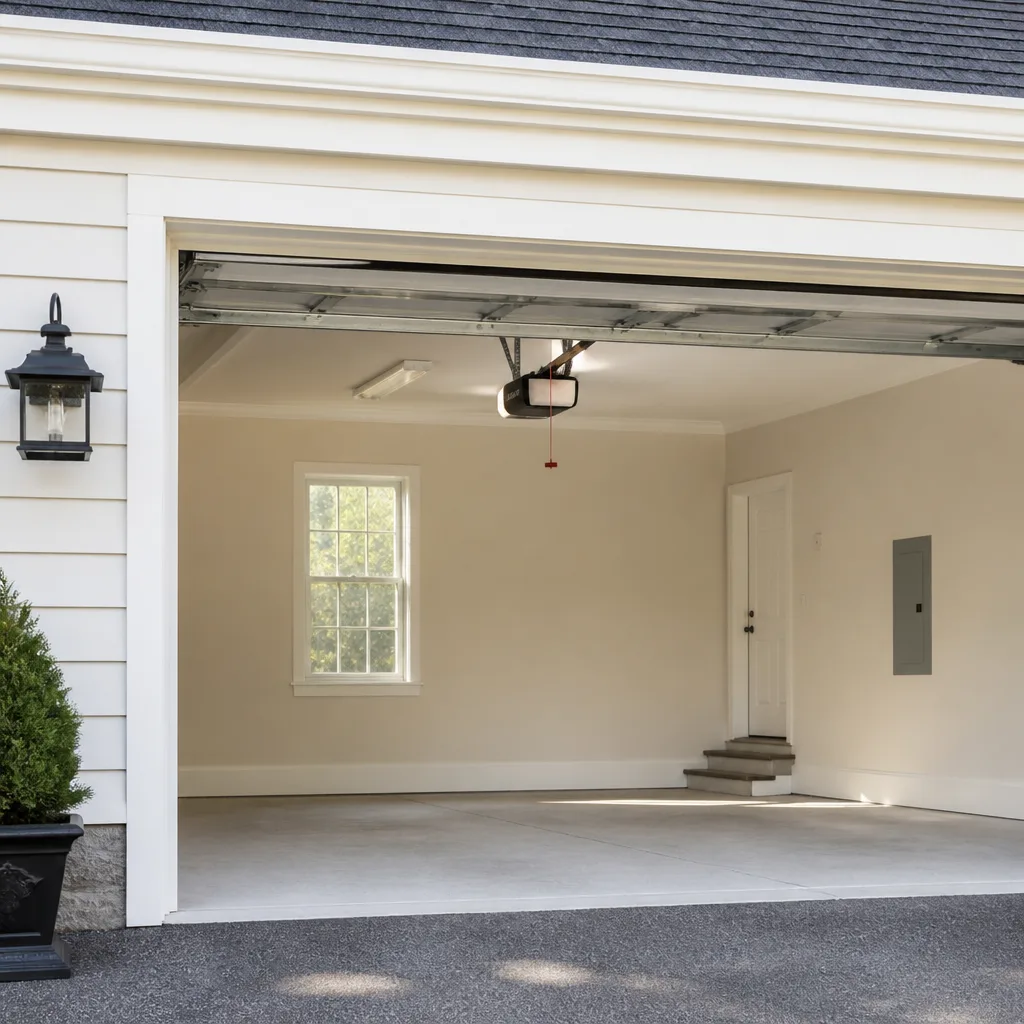 Chamberlain openers
Full 25-point door and opener safety check with every visit - springs, cables, rollers, tracks, and your LiftMaster or Chamberlain opener included
You get a price before we start. It does not change when the pro arrives.
Get your free estimateHow to Hire a Garage Door Contractor in Meadow Hills: A Step-by-Step Guide
Here’s the part of this trade nobody puts on a website: Colorado doesn’t require a specialty contractor license to replace a garage door spring. The person tensioning a torsion spring under 150-plus pounds of stored energy can be a generalist handyman with a socket set, a big-box installer squeezing your door between two other jobs, or someone who started this trade last month. No state board will check their work for you, and no test proves they understand the difference between a Wayne Dalton Torquemaster and a standard torsion system. That leaves the vetting process entirely in your hands. This guide gives you a concrete screening framework for hiring a garage door contractor in Meadow Hills so you’re not choosing the person who answered the phone fastest. You’ll learn what your five screening questions should be, how to read an estimate line by line, and how to spot a specialist versus a generalist before anyone touches your door.
Quick Answer
Hiring a garage door contractor in Meadow Hills means verifying a few things Colorado doesn’t verify for you: that the company is licensed and insured as your local requirements demand, that they specialize in garage doors rather than treating the work as a side service, and that they’ll give you a written, itemized estimate before work starts. Ask for their general contractor registration status, proof of insurance, brand familiarity, spring repair experience, and warranty terms. A confident, specific answer to each question is your best signal. Vague ones are your exit cue.
Styles & brands we work with
- Raised-panel steel
- Carriage house
- Modern flush
- Full-view glass
- LiftMaster openers
- Chamberlain openers
Table of Contents
- What Colorado law does and doesn’t require for garage door contractors
- The five questions to ask before anyone touches your door
- How to read a garage door estimate line by line
- Why same-day availability matters more for springs and openers
- Specialist or generalist? How to tell which you’re talking to
- What Meadow Hills climate and housing mean for your door
- Red flags that should end the conversation
- When to call a professional
What Colorado law does and doesn’t require for garage door contractors
Colorado does not issue a specialty license for garage door contractors. There’s no state exam, no board certification, no database you can search by name to confirm someone is qualified to work on your torsion spring or reprogram your opener limits. What the state does require is a general contractor registration for certain construction work above a dollar threshold, and that registration is not the same thing as a trade credential. It confirms paperwork was filed, not that a technician knows how to tension a spring safely.
What this gap means for you is straightforward: state law puts the burden of vetting on you. The good news is you can cover that gap with a short list of checks. Ask every contractor for their general contractor registration if their work exceeds the state threshold, and ask for proof of current liability insurance and workers’ compensation coverage. A company that carries both is one that expects to be held accountable. One that hesitates or deflects is telling you something.
Local jurisdictions in the Denver metro area can add their own layer. Most cities require a permit for structural work on a door opening, and some require one for a full door replacement. Always confirm with Meadow Hills or your local building department what documentation applies to your job before you sign anything. It’s a two-minute phone call that saves you weeks of headache.
Here’s the practical takeaway: in Meadow Hills, the best garage door contractor is the one who can show you documentation and talk through it without tension. (We’ll use that word loosely.) When you call Garage Door Repair Meadow Hills, the local pro you’re connected with is licensed and insured as their state requires, and they’ll walk you through what to ask.
The five questions to ask before anyone touches your door
You don’t need a 40-question interview. You need five targeted questions, and you need to know what a confident, honest answer sounds like versus a vague one. Here’s the screening framework that separates specialists from whatever happens to be on the other end of the line.
Question 1: “Do you specialize in garage doors, or is this a service you add on?”
Good answer: The company does garage doors as the primary focus. They can name specific brands they work on, talk about spring types, and describe diagnostic steps without pauses.
Vague answer: “Yeah, we do a little of everything.” A handyman juggling plumbing, drywall, and garage doors is juggling your tension spring with three other tools on the truck.
Question 2: “What brands do you have parts and training for?”
Good answer: They name specific systems they work on. LiftMaster and Chamberlain openers are the most common residential systems, and any solid garage door specialist should know them cold. The company you connect through us works on LiftMaster, Chamberlain, Genie, Clopay, Amarr, Wayne Dalton, Craftsman, and Raynor.
Vague answer: “We can handle any brand.” That’s a sales line. A real specialist tells you what they work with and admits what they don’t.
Question 3: “How do you handle spring replacement? One spring or a matched pair?”
Good answer: They explain that springs in most residential doors are replaced as a matched pair unless one is significantly newer, and they price each spring separately so you know what you’re paying. They also warn you against DIY spring work, which is the right call.
Vague answer: They quote you one price without asking about the door’s lift weight, cycle count, or spring type. A competent specialist asks before quoting.
Question 4: “Is the estimate written, and does the price I see cover the whole job?”
Good answer: The written estimate shows line items for parts and labor, and the price is agreed before work starts. They walk you through it.
Vague answer: “We’ll figure it out when we’re there.” You’re the one who’ll be surprised at the invoice.
Question 5: “What’s your warranty on the parts and on the labor?”
Good answer: A specific answer on parts coverage, a specific answer on labor, and clarity about which warranty applies when a spring fails versus when an opener board goes bad.
Vague answer: “We stand behind our work.” Ask them to stand behind that sentence in writing. If they can’t, you have your answer.
How to read a garage door estimate line by line
A garage door estimate is not a bill. It’s a proposal, and every line item on it should tell you what you’re paying for, why, and what happens if something changes. In our experience, the quotes homeowners push back on are not the highest-priced ones, they’re the ones with the least detail. So here’s how to read one.
Parts markup
Garage door springs, openers, rollers, hinges, cables, and panels all have a real cost. A reasonable estimate shows the part as a distinct line, with the brand and model, so you can look up what the part goes for. If you see “spring kit $X” with no brand and no model, ask which spring. When a company stocks parts directly, that often cuts out a third-party middleman and the markup that comes with it, so the number tends to look leaner.
Labor rate
Labor is a line too, and it should be marked. A torsion spring replacement is one of the more dangerous and technically demanding jobs in the trade, so it takes longer and requires more care than swapping a roller. Expect a labor figure that reflects the complexity. A blended rate that doesn’t distinguish a panel replacement from a spring job is a sign the quote is an estimate of an estimate.
Warranty terms
Warranty is the line homeowners skip over and later wish they hadn’t. It’s worth a minute to check three things:
- Parts warranty – does the spring or opener carry its own manufacturer coverage, and is the company passing that through to you?
- Labor warranty – if the same part fails within the stated window, does the company cover the labor to redo it?
- Exclusions – what isn’t covered. Misuse, weather, and owner-supplied parts are the usual suspects.
The “written and agreed” rule
No reputable garage door contractor surprises a homeowner with a final price above the estimate. The written estimate is the price, or it’s a phone call before anything else happens. If the person in front of you can’t describe the process that way, the estimate isn’t worth the paper it’s written on.
This is where we earn our keep. When you request a written estimate through us, the goal is a line-by-line quote you can actually compare against another one. It’s not the lowest number that matters, it’s the clearest. Call (855) 337-1334 for a free estimate.
Why same-day availability matters more for springs and openers
“Same-day” isn’t a universal virtue. A garage door installation is measured, ordered, and scheduled. Panel replacements work the same way. Rushing those is a mistake, not a win. But a broken torsion spring or a dead opener is different, and speed matters for a reason that has nothing to do with convenience.
Here’s the physics. A broken torsion spring doesn’t just stop your door from opening, it leaves the door propped by a cable on one side and a bent hinge on the other. Opening that door by hand or forcing the opener to run against it can warp the top section, snap a lift cable, or bring the door down on a vehicle. In our experience, the repair bill for a door that stayed broken for a week is often larger than the one for a door fixed in a day. The most dangerous part of a garage door failure is what happens after it.
A broken opener follows a similar path. A burned-out capacitor or a stripped gear is a quick diagnosis and a quick fix. Left alone long enough, the door gets opened by hand, the cables take the strain, and what was a board replacement turns into a spring or cable job.
So the same-day edge is about springs and openers specifically. A garage door specialist worth hiring should be able to diagnose those fast, quote them accurately, and get out with a functioning door rather than an open insurance claim. When a spring breaks, you want the phone call resolved, not a voicemail five hours later. Call (855) 337-1334. We answer 24/7. Fast dispatch from 7am to 7pm, Sunday through Friday.
Specialist or generalist? How to tell which you’re talking to
The quickest way to spot the difference is to ask a question only a specialist can answer. “What’s the difference between a torsion and an extension spring?” A generalist will search their memory. A specialist will tell you which one your door likely has just from your address and door type, and why that matters for the quote.
Here’s what the two profiles actually look like.
- Specialist: Talks about specific brands without reaching. Recognizes LiftMaster opener geofencing quirks, Chamberlain wall-station pairing, and why a Craftsman remote may not learn to a newer receiver. Knows how to measure spring wire gauge and inside diameter, and carries the right-size spring.
- Generalist: “We can handle that.” Quotes over the phone without asking about the door. Treats a spring, an opener, and a panel install as one afternoon’s work. Suggests replacing the whole door when a repair is the better call.
- Specialist: Recommends repair as often as replacement, depending on the door’s condition. Asks about cycle life, not just age. Will tell you when a door is worth a new spring and when it’s worth a new door.
- Generalist: Defaults to replacement because it’s the bigger sale. May not know the difference between a Torquemaster and a torsion system.
- Specialist: Has a defined parts path. Can source genuine components and describe where they come from.
- Generalist: “We’ll pick up what we need.” Then waits for the supply house to open.
One thing worth knowing specifically: a generalist rarely relishes spring work, and the feeling shows in the price or the scope. Spring repair is a primary service in a specialist trade, not an upsell, and not something to hand off. If you’re comparing two quotes and one sounds noticeably more careful about spring safety, that’s your signal. Part of the reason is that garage door repair training is concentrated in a small corner of the broader construction trade.
For a new door, the specialist’s breadth matters just as much. A generalist may quote one door make and one opener. A specialist works across eight major brands, so the door they quote is the one that fits your house and your budget, not the one they happened to have in stock.
What Meadow Hills climate and housing mean for your door
Meadow Hills sits in the high plains just east of the Front Range, and that location puts your garage door through a cycle most homeowners don’t think about. The range between a summer afternoon and a winter overnight routinely spans 40 to 50 degrees Fahrenheit, and the spring system on your door sees every one of those swings. Metal contracts in cold and expands in heat; a torsion spring that’s tensioned for a summer afternoon can feel noticeably stiffer on a January morning. Cycles add up faster here than in a mild climate, and the spring tends to be the first component to show it.
Wind is the second factor. The Front Range wind events that push through the Meadow Hills area, especially in late winter and spring, put real load on a garage door and on the hardware that holds it. A door panel that’s slightly out of balance can slap against its stops for weeks before a hinge or a roller fails. If your door rattles in a strong wind, that’s a balance issue to look at, not just a noise annoyance.
Housing plays a part too. Meadow Hills has a mix of older ranch and split-level homes alongside newer builds, and the doors are as varied as the houses. Older doors often use heavier steel sections and extension springs. Newer builds are more likely to have a torsion system with a variable torque spring or a LiftMaster or Chamberlain opener with safety sensors. When you hire a contractor in Meadow Hills, ask whether they’ve worked across door generations and brands, and whether they can tell you what you have by looking up at it. A quick glance at the door header will tell a specialist whether you have one torsion spring, two, or an extension setup, and that changes the quote. That knowledge is what you’re paying for, and it’s the reason garage door installation in this climate needs to account for cycle life, not just door style.
Red flags that should end the conversation
- No written estimate. A company that won’t put the price and scope on paper isn’t the company you want working on a tension spring. Ask them to email it and watch what happens next.
- Spring quote with no brand or model. If the estimate line reads “spring” with a price and nothing else, ask which spring, what gauge, and whether it’s a matched pair. A specialist has an answer in ten seconds.
- “We can be there today” for a full door install. An install is measured and ordered, not dispatched. Same-day is the right answer for a spring or a dead opener, not for a new door.
- Pushing replacement on a repair job. If your door has a broken spring but a solid panel and functioning opener, a new door is a sales pitch, not a diagnosis.
- No proof of insurance. You’re not covering damage to your own property if the person you hire is uninsured. Ask, and be willing to walk away if the answer is “we don’t need that.”
- Pricing that arrives only after the work begins. The written price is the price. Get it before the truck door opens.
- No mention of spring safety. A mechanic who doesn’t warn you off DIY spring work is a mechanic who doesn’t know the trade well enough to know the danger. Torsion springs store enough force to seriously injure a person. That’s why the answer should always be a trained technician, not a homeowner with a ladder and a YouTube tab.
A quick note on that last one, because we see this call every season. Also worth checking: unless they’ve been verified, ask what an opener or spring job carries as far as warranty in writing, and check garage door opener repair if the issue is on the motor side, since an opener is a different job than the door hardware. The best vetting in the world is still asking before you hire.
In our experience, the honest contractors are the ones who’ll answer the “when should I not hire you” question without flinching. If they can’t, they’re selling.
If you’re in Meadow Hills and want to talk it through, Garage Door Repair Meadow Hills connects you with independent local pros. We can’t touch your door for you, but we can tell you what to ask the person who will.
When to call a professional
Call a professional for any broken torsion spring, snapped lift cable, or bent bottom bracket. These aren’t DIY jobs. A torsion spring under load can cause serious injury, and the right move is to leave the door closed and call. Call for an opener that hums without moving, reverses immediately, or trips a breaker. Call for a door that’s out of balance, comes down too fast, or rubs the frame. Call for a new door or a panel replacement, so the door is measured against your opening and your climate. And call when your springs have cycled past their rated life, because a planned spring replacement is always cheaper than an emergency one.
Garage Door Repair Meadow Hills offers free estimates in Meadow Hills. Call (855) 337-1334. We answer 24/7. Fast dispatch from 7am to 7pm, Sunday through Friday. The price is set by the written estimate before any work starts, and any estimates not on hand get booked into the next opening, Sunday through Friday, 7am to 7pm.
See the difference
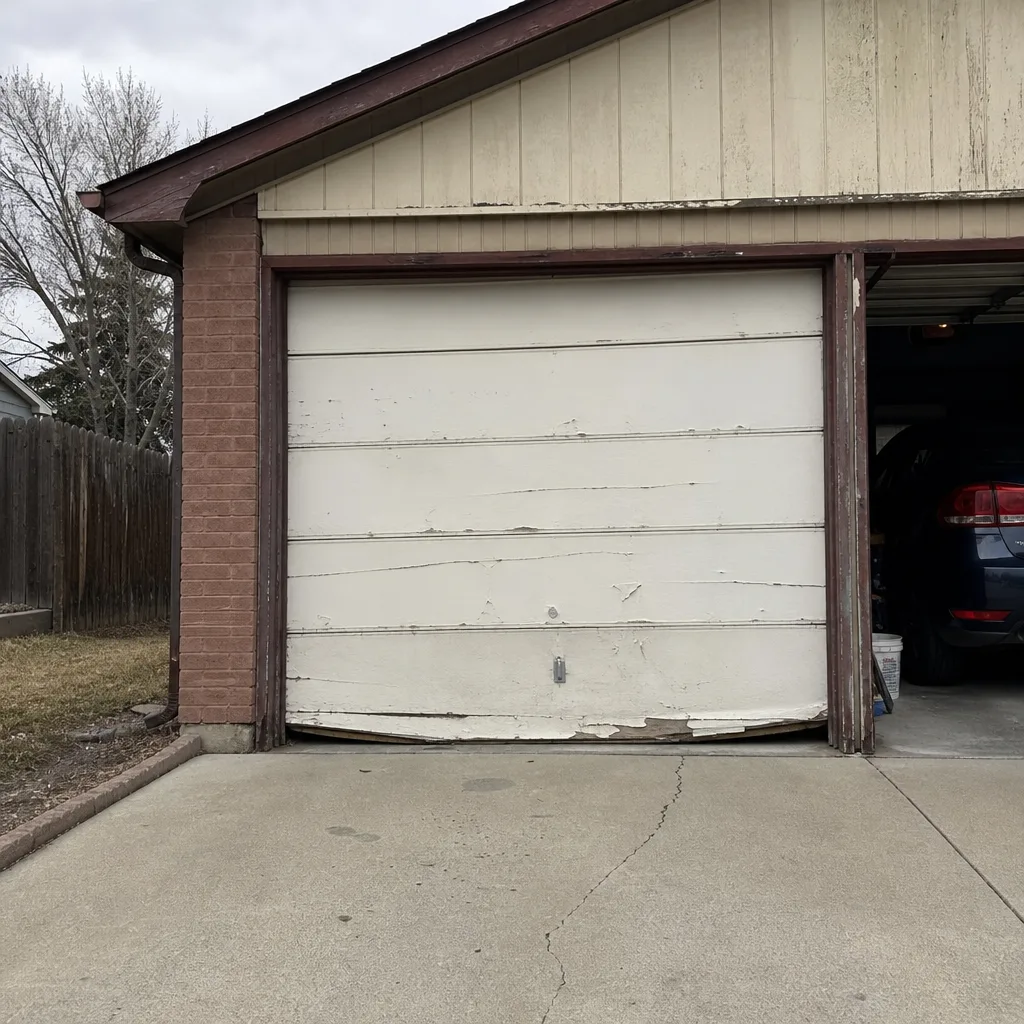 Before
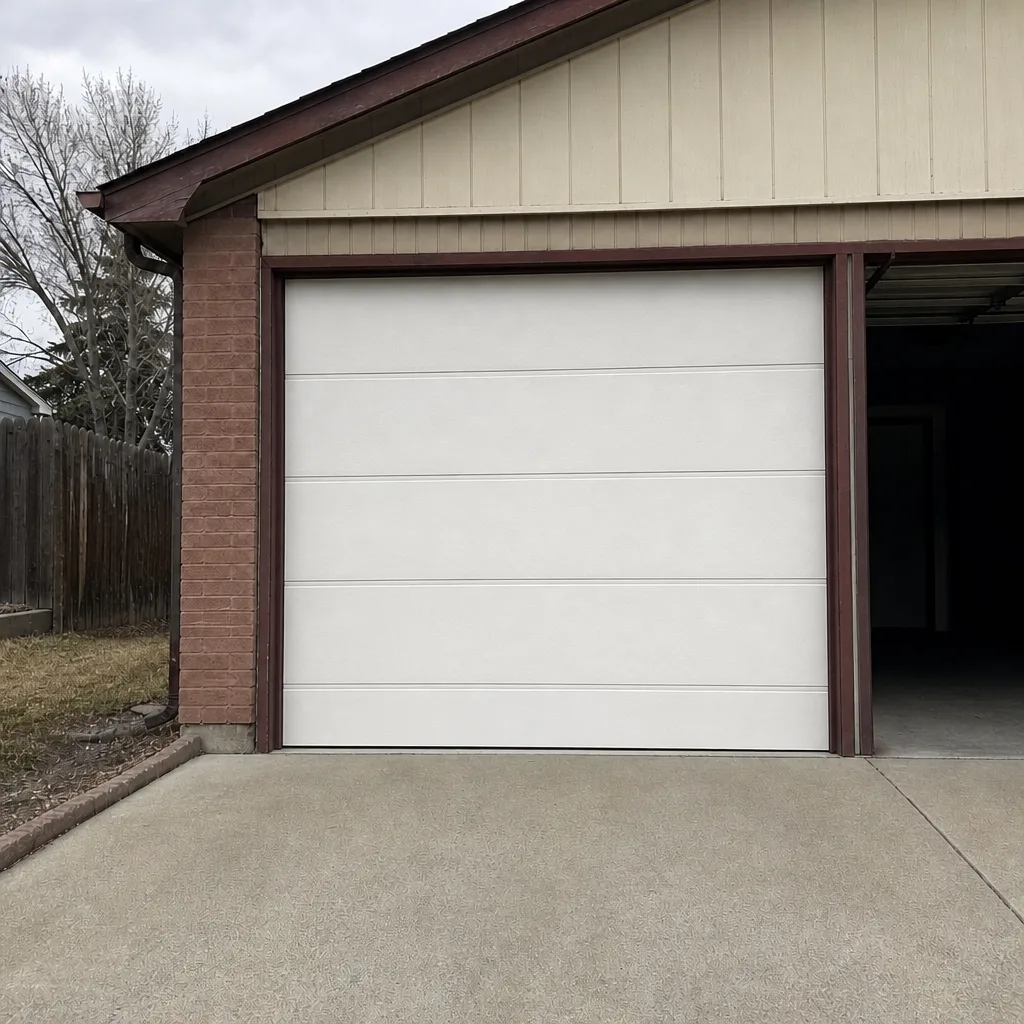 After
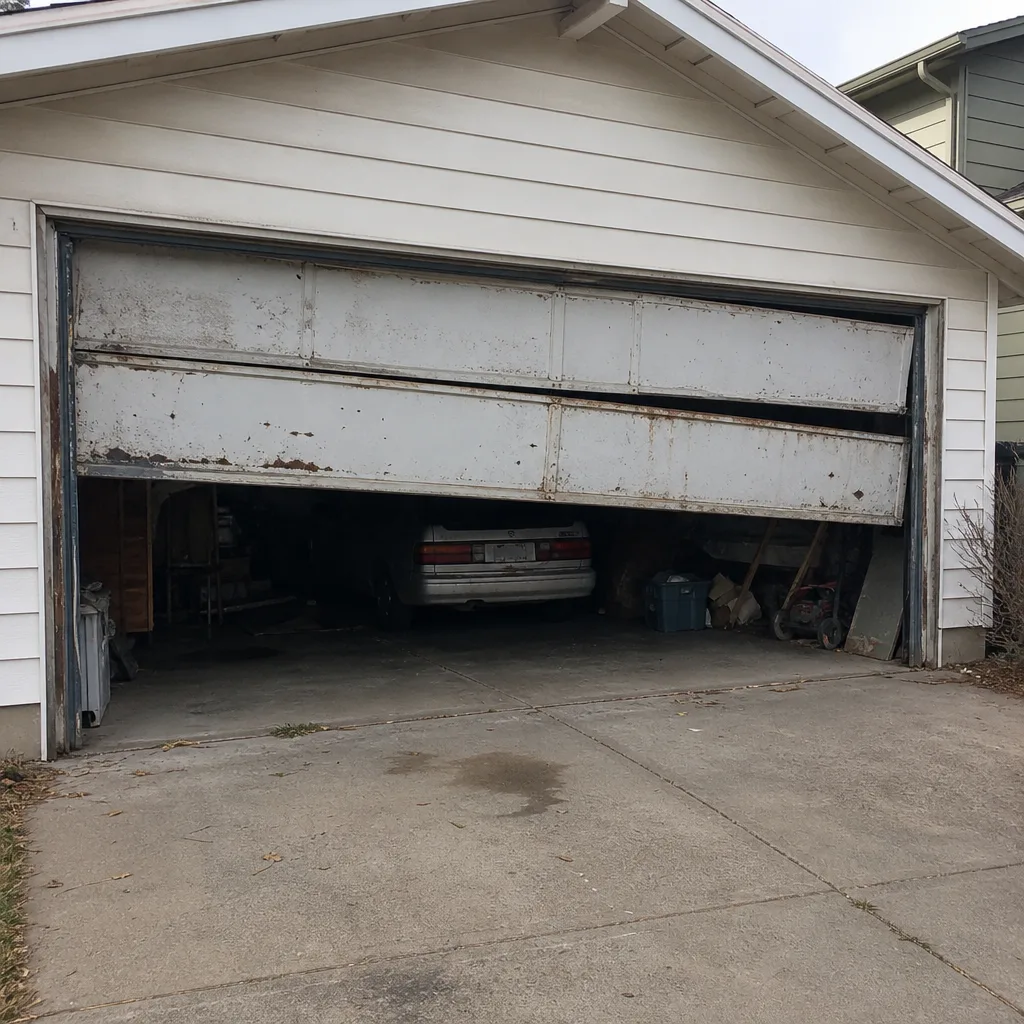 Before
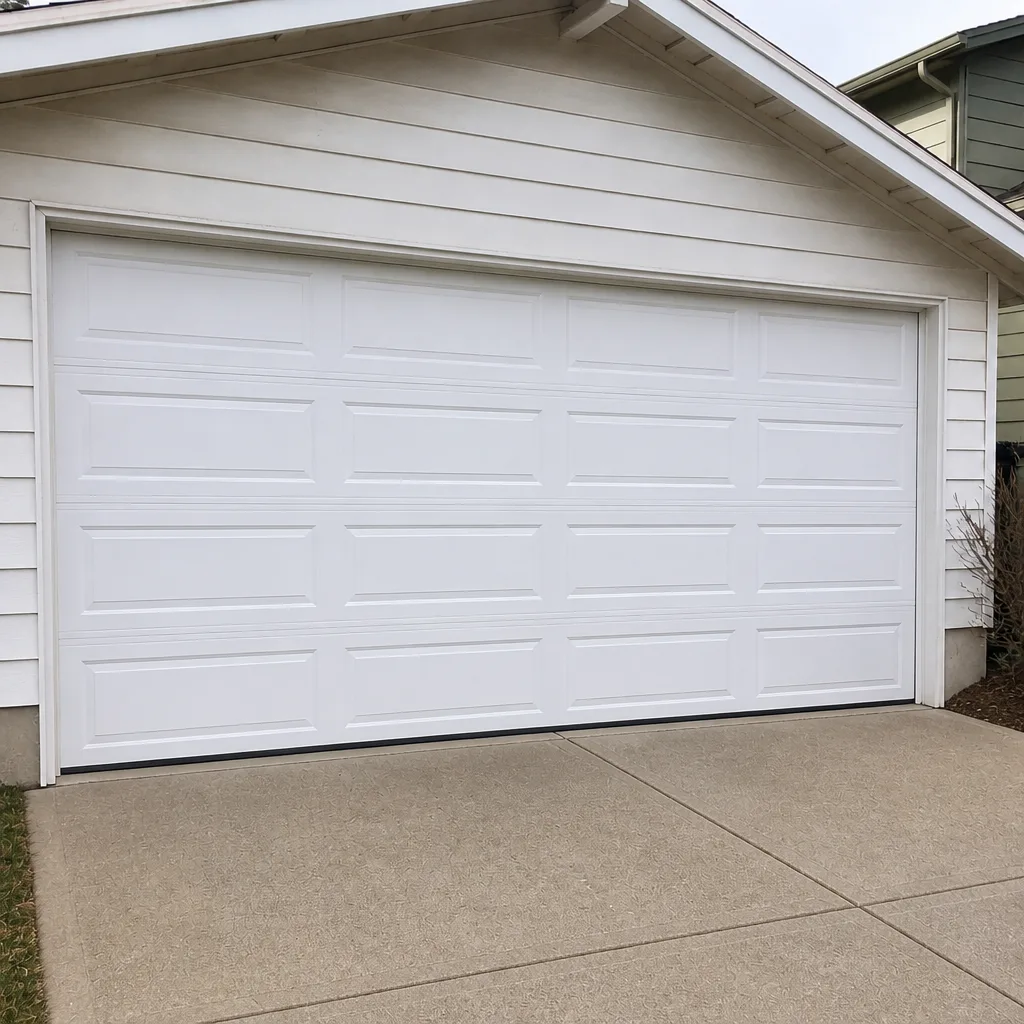 After
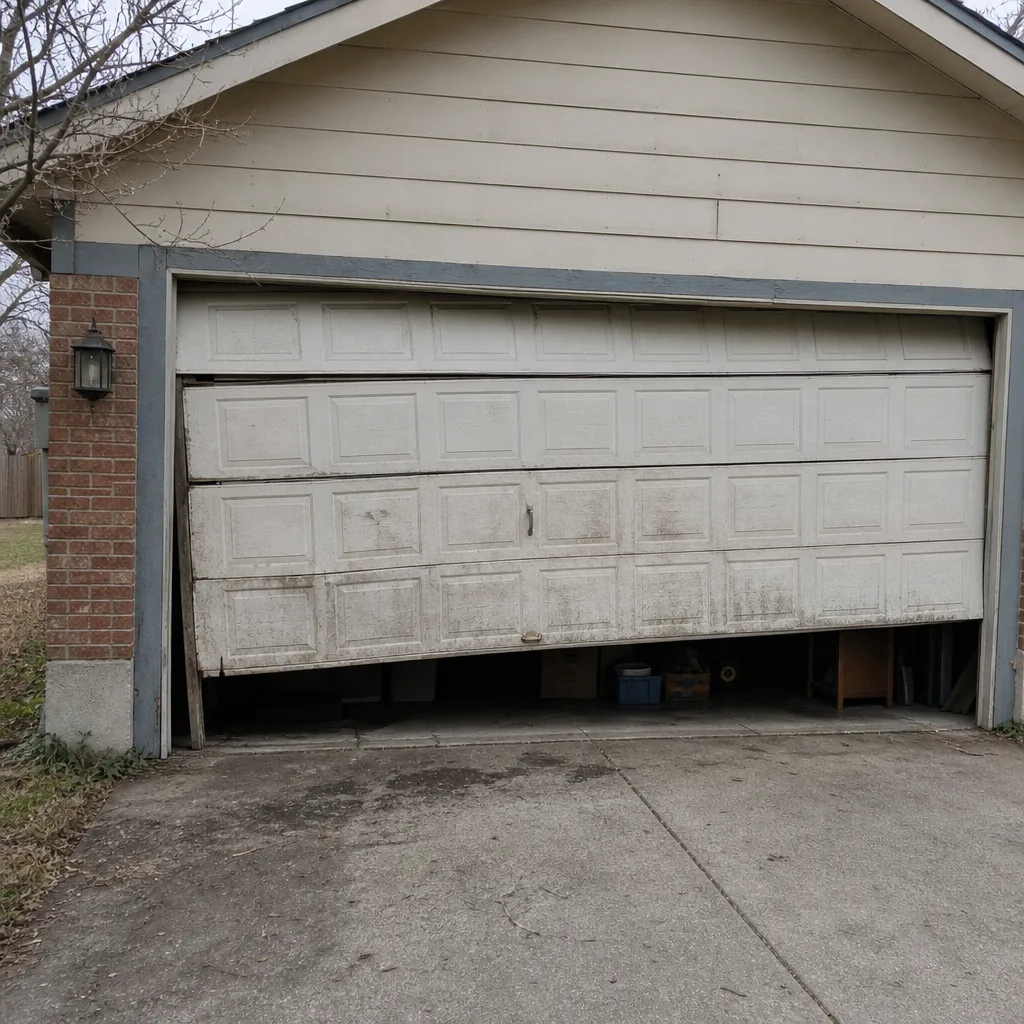 Before
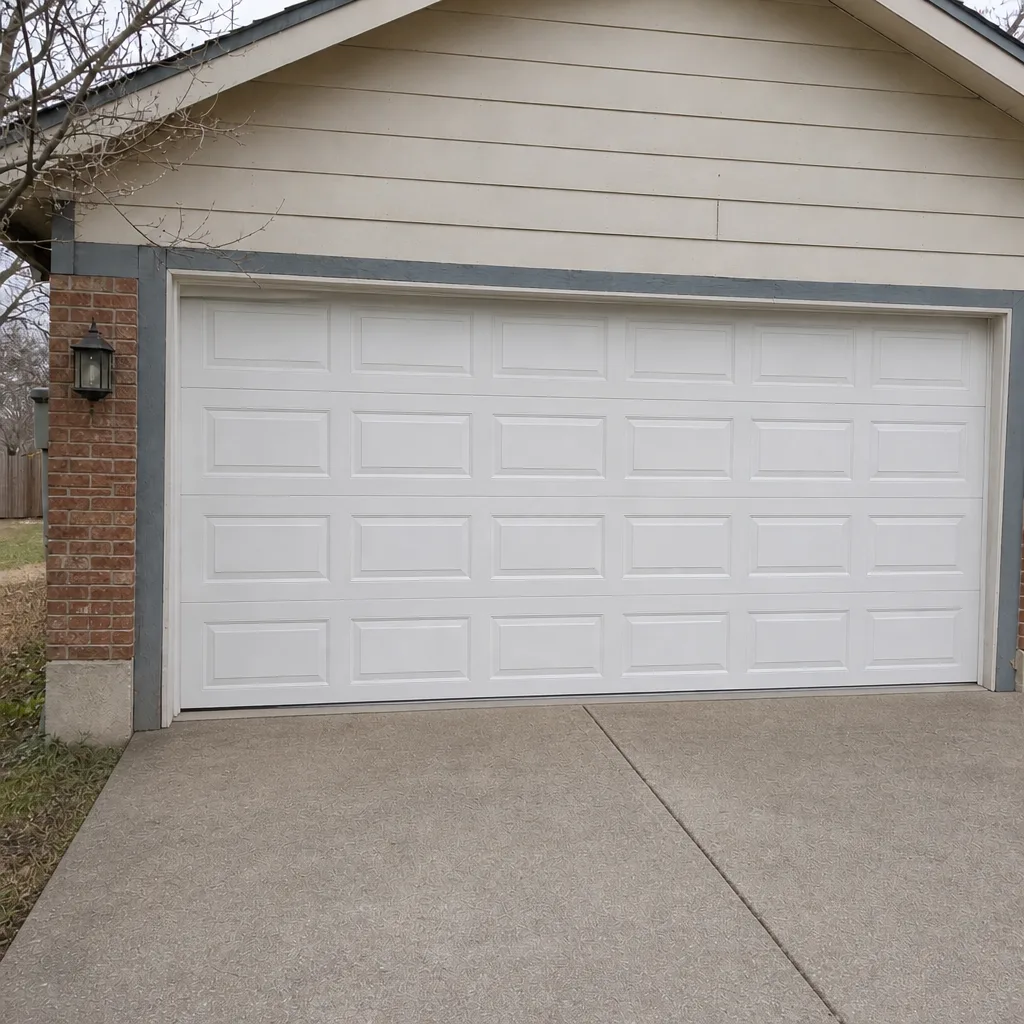 After
Frequently Asked Questions
Colorado doesn’t issue a specialty license for garage door contractors, so the answer depends on the scope of your job and local permitting. What you can and should ask for is general contractor registration if the work exceeds the state threshold, proof of insurance, and a written estimate. The local pro we connect you with is licensed and insured as their state requires. Call (855) 337-1334 for an exact quote – estimates are free.
Same-day service is available for spring and opener repairs, and that’s exactly the kind of job that justifies it. Call (855) 337-1334. We answer 24/7, and dispatch runs 7am to 7pm Sunday through Friday. If your call comes outside dispatch hours, we’ll book you into the next opening. For a new door or panel job, expect a scheduled visit after measurement, not a same-day promise.
The written estimate is the price. If the scope changes once the technician is on site – an additional spring needs replacing, or an unexpected opener issue is uncovered – you get a call before the work proceeds, so there are no surprises. Components we can’t see before arrival, like a hidden broken hinge, are discussed up front. Call (855) 337-1334 for a free estimate.
Spring replacement is priced per spring, and most residential doors are best served by replacing springs as a matched pair, which is roughly double the single-spring figure. Exact pricing depends on the spring type, weight, and door model. A written estimate is the only way to know, and the price is set per job. Call (855) 337-1334 for an exact quote – estimates are free.
The company we connect you with works across eight of the most common residential brands, including LiftMaster, Chamberlain, Genie, Clopay, Amarr, Wayne Dalton, Craftsman, and Raynor. That means they can diagnose what you have rather than defaulting to a new system. If your opener is outside that list, tell us the model and we’ll let you know before booking.
Five things: registration and insurance status, brand experience, how they price springs (per spring, not as an unnamed kit), whether the estimate is written and itemized, and the warranty terms on parts and labor. Ask all five, and watch how easily the answers come. Call (855) 337-1334 for a free estimate and a quote you can compare.
The Bottom Line
Hiring a garage door contractor in Meadow Hills comes down to five checks you can run on yourself: a general contractor registration if applicable, proof of insurance, real brand experience, written line-item pricing, and a warranty that names parts and labor. Colorado won’t test the person tensioning your spring, so your questions have to. A specialist will answer with specifics, quote a written price before work starts, and recommend a repair when a repair is the right call. Get that in writing, ask about spring safety, and you’ve done more diligence than most homeowners ever do.
If you’re ready to start, call (855) 337-1334 for a free estimate. We answer 24/7. Fast dispatch from 7am to 7pm, Sunday through Friday.
Written by the team at Garage Door Repair Meadow Hills.