
Last updated November 20, 2026
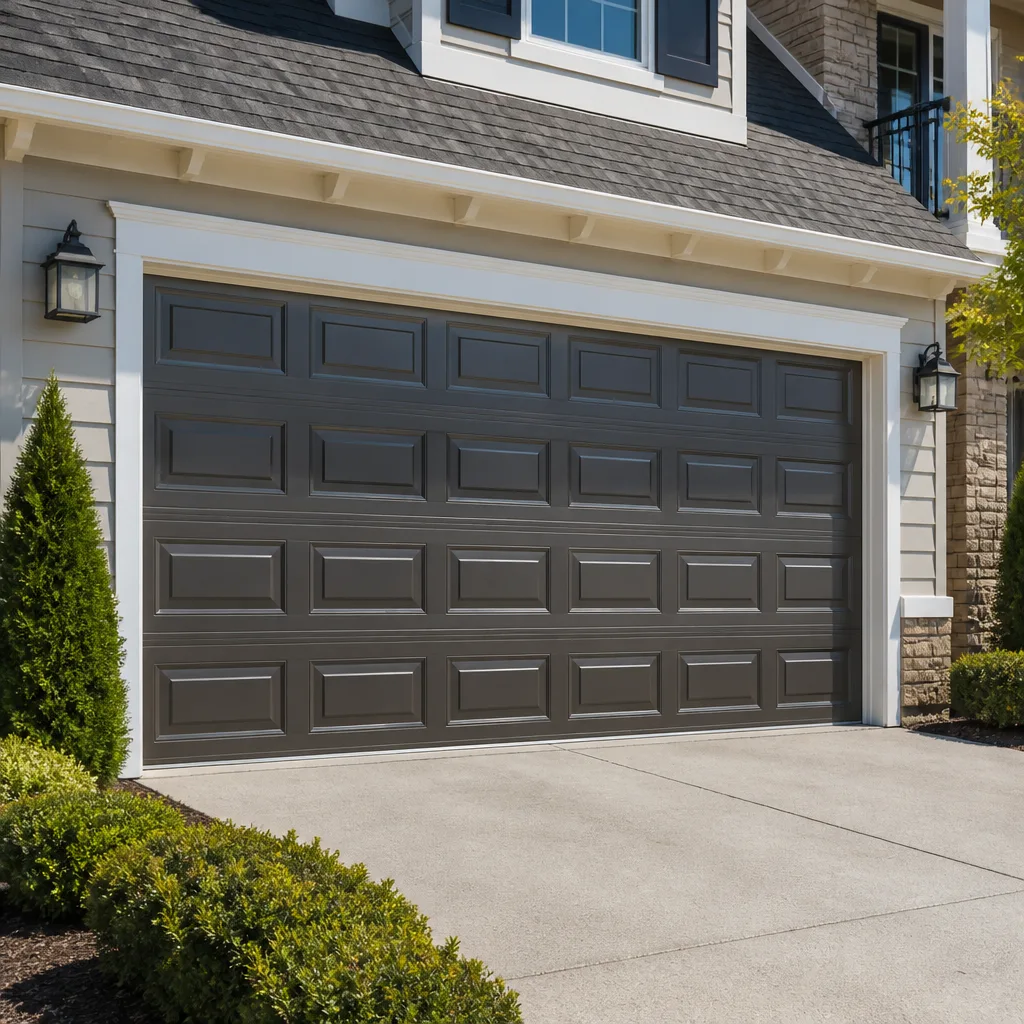 Raised-panel steel
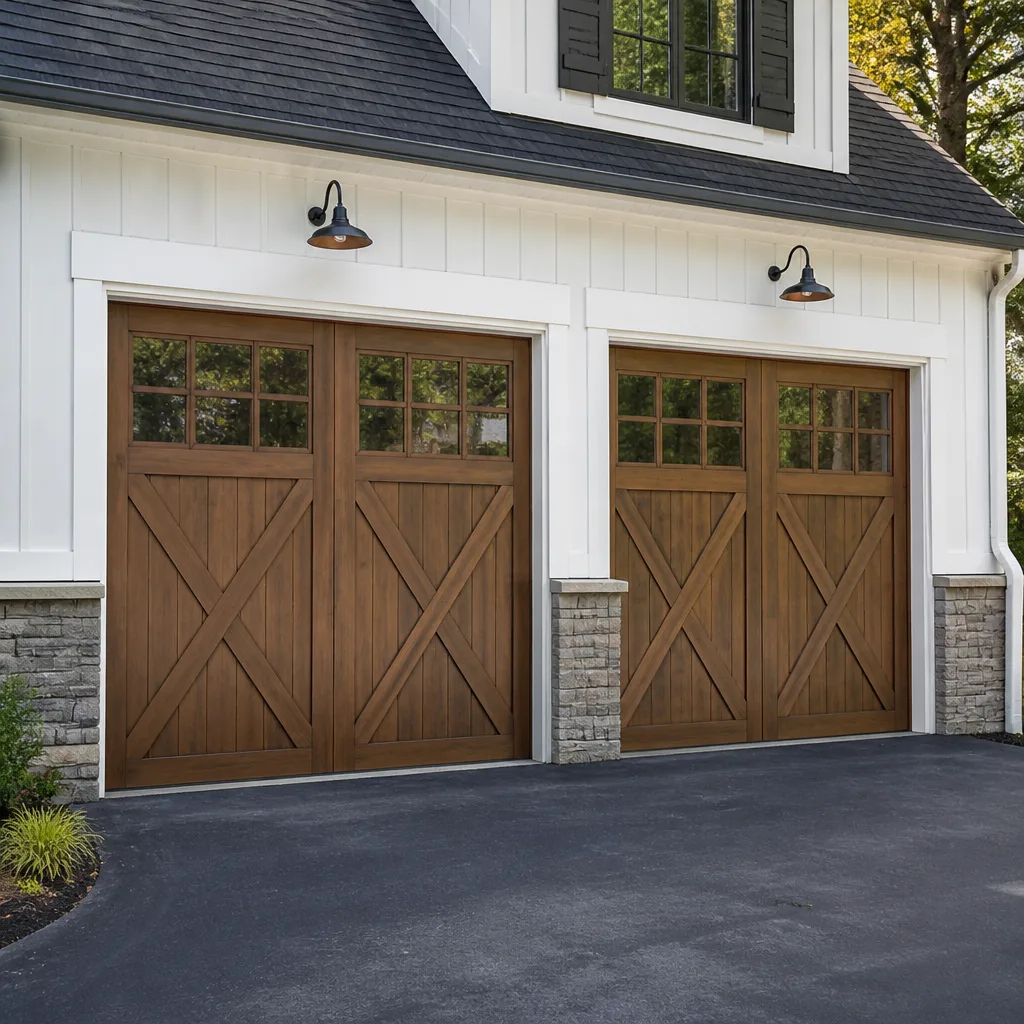 Carriage house
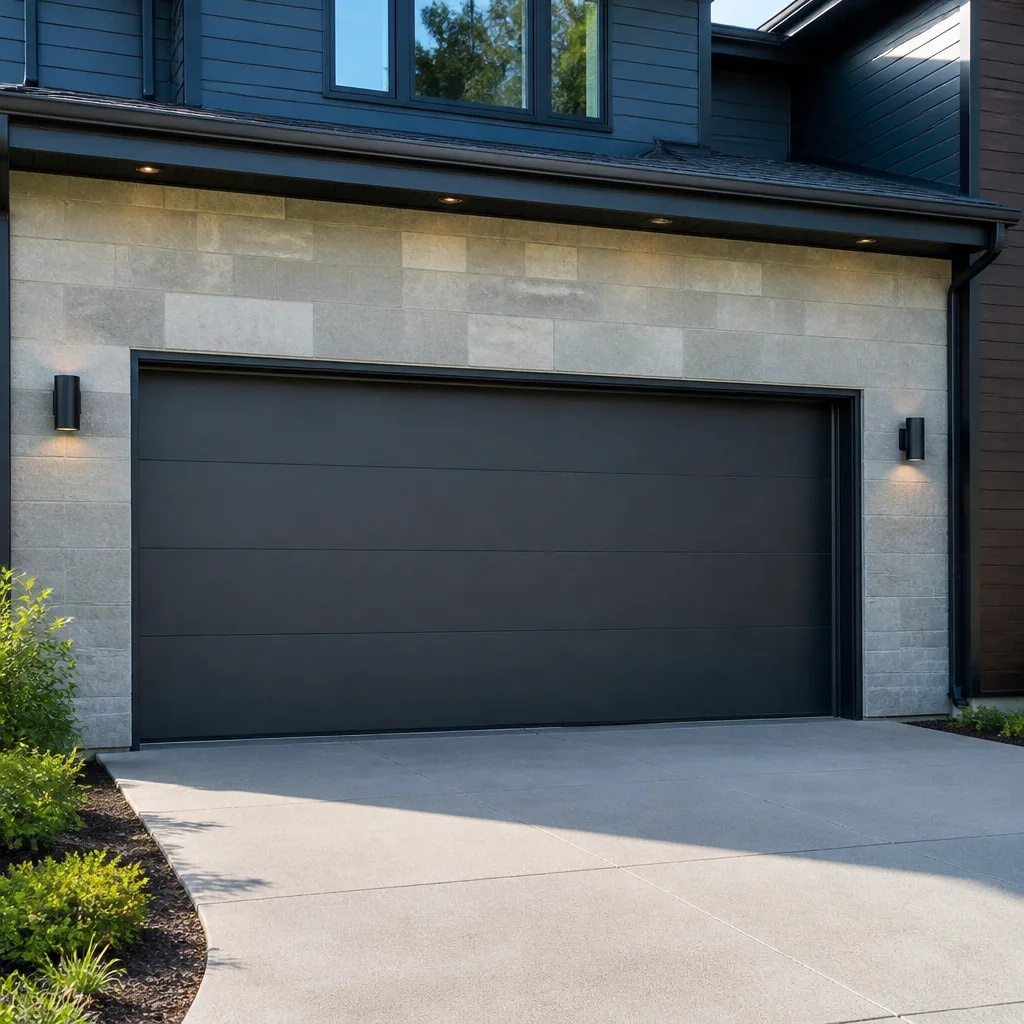 Modern flush
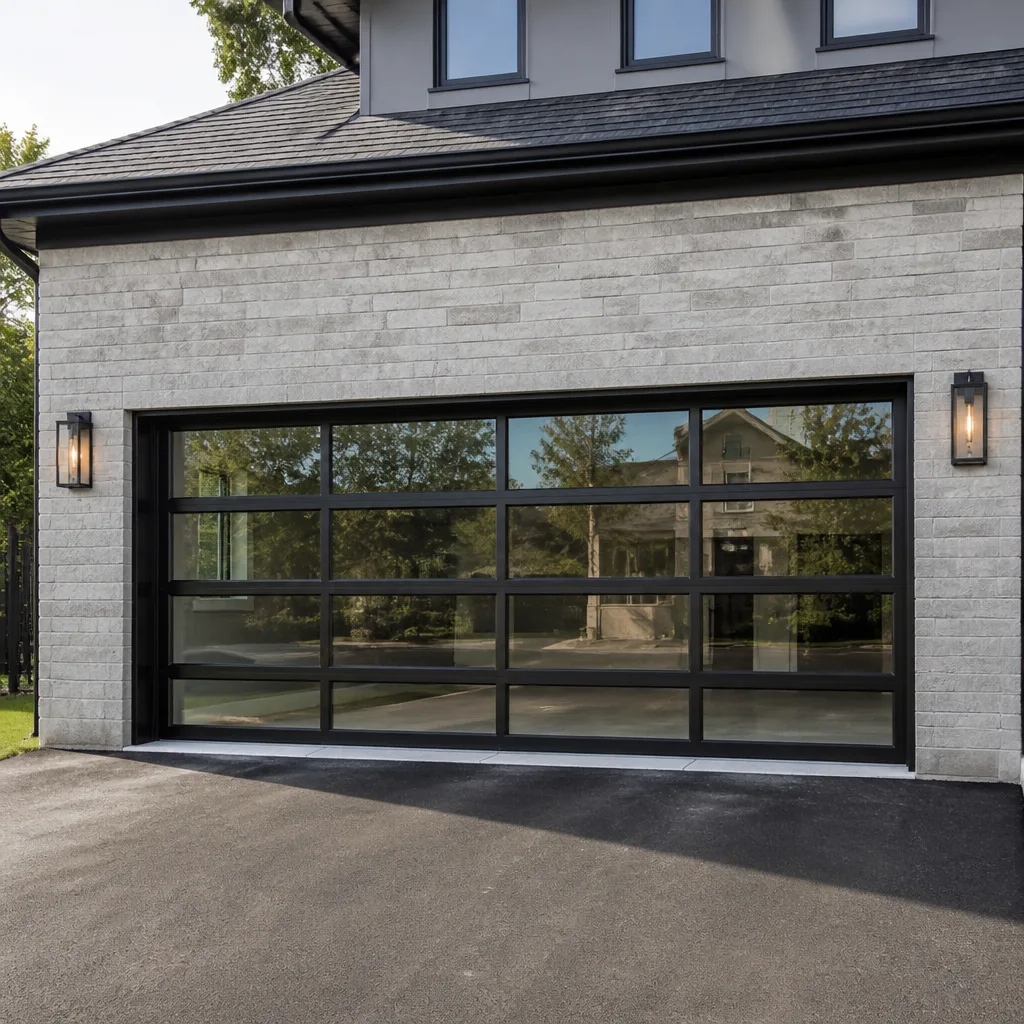 Full-view glass
 LiftMaster openers
 Chamberlain openers
Full 25-point door and opener safety check with every visit - springs, cables, rollers, tracks, and your LiftMaster or Chamberlain opener included
You get a price before we start. It does not change when the pro arrives.
Get your free estimateDIY vs Professional Garage Door: The Meadow Hills Homeowner’s Decision Guide
The garage door is the one part of your house that combines dead weight, stored mechanical energy, and live electricity in a single moving assembly. That combination is why the DIY question here can’t be answered with a single yes or no. Some garage door tasks are genuinely reasonable for a careful homeowner with the right tools: painting panels, swapping weatherstripping, reprogramming a remote. Others involve torsion springs holding hundreds of pounds of tension or electrical work that can shock you. This guide breaks the job down task by task so you know exactly where the line sits, and where a Meadow Hills homeowner is better off calling a specialist.
Quick Answer
Cosmetic and low-voltage tasks (painting, weatherstripping, sensor alignment, remote programming) are fine to do yourself if you’re methodical and have the right tools. Anything involving torsion springs, cables, the counterbalance system, or opener wiring belongs to a trained technician. The dividing line isn’t your skill level. It’s whether a mistake would hurt you or damage the door.
Styles & brands we work with
- Raised-panel steel
- Carriage house
- Modern flush
- Full-view glass
- LiftMaster openers
- Chamberlain openers
Table of Contents
- Where the DIY Line Actually Sits
- The Physics of Torsion Spring Failure, Explained Plainly
- The DIY Tasks That Are Genuinely Reasonable
- Tasks Homeowners Routinely Botch (and Why)
- Cost Reality Check: When a Pro Saves Money
- Why Colorado Altitude Affects Your Opener Programming
- The Tasks That Must Go to a Professional
- How to Choose a Garage Door Specialist in Meadow Hills
Where the DIY Line Actually Sits
The useful way to decide isn’t to ask “am I handy enough?” It’s to ask “what happens if I get this wrong?” Garage door work splits into two categories: tasks where a mistake is annoying, and tasks where a mistake is dangerous. That’s the whole decision framework, and it holds on any door in any Meadow Hills garage.
Category one: a mistake costs you time, a little money, or a redo. You paint unevenly, you cut weatherstripping too short, you misalign a sensor and the door won’t close. Annoying, but nobody gets hurt and nothing structural breaks. These are your jobs.
Category two: a mistake happens in a fraction of a second and it happens to your body or your door. A torsion spring under load lets go, a cable snaps, an opener circuit bites you. These belong to trained hands, every time.
Here’s the second layer most guides skip: it’s not just about the individual task. It’s about sequence and tooling. Track alignment without the right gap gauge, roller replacement without supporting the door’s weight, sensor work without understanding the beam path. A capable homeowner can still botch these, not from lack of skill but from using the wrong tool or doing steps in the wrong order. In our experience, that’s the more common failure than outright inexperience.
So read every task below through that lens: harmless-if-wrong vs. dangerous-if-wrong. That single question sorts the whole list.
The Physics of Torsion Spring Failure, Explained Plainly
A torsion spring is a coil of steel wound tight and held in tension to counterbalance the weight of your door. It’s the reason a 200-pound door lifts with one hand. Remove that wound tension correctly and the door is just dead weight. Release it wrong and the energy stored in that coil has to go somewhere, instantly.
That stored energy is the whole point. A spring that’s been wound properly holds that load as long as the door is installed. The moment the spring breaks or you try to remove it without controlling that stored energy, it unloads at once. The result is a violent, uncontrolled snap. This is why torsion spring work is categorically different from replacing a hinge or painting a panel. It’s a stored-energy problem, not a mechanical-skill problem.
Springs break for ordinary reasons: metal fatigue over years of use, a door that’s heavier than the spring was rated for, or an adjustment made incorrectly. When a spring lets go, you typically hear a loud bang and the door won’t lift. Don’t keep cycling the opener trying to force it. A door running without its counterbalance is putting its full weight on the opener and cables, which can cause the next thing to fail.
What an expert does is load the tension in a controlled way using the right winding bars, slowly and in measured quarter-turns. What makes this safe isn’t bravery. It’s knowing where your hands go, holding the spring under control the whole time, and never standing in the release path. That’s a learned technique, and it’s the reason spring work is a primary service for us rather than an add-on. A pair of springs is usually replaced together, since they wear at the same rate, and we quote each spring so the written estimate reflects exactly what a matched pair costs.
If a spring has broken in your Meadow Hills garage, treat it as a stop-work sign. That’s a same-day call, not a weekend project.
The DIY Tasks That Are Genuinely Reasonable
Not every call needs a technician. Plenty of work around the door is well within reach for a careful homeowner, and we’d rather tell you that than sell you a visit you don’t need. These tasks are low-risk and reversible:
- Painting and staining. If your door is wood or a paintable steel model, you can refresh the finish yourself. Prep and prime properly, and pick a product rated for exterior use in Colorado’s sun.
- Replacing weatherstripping. The rubber seal along the bottom of the door and the perimeter stops wear out and let in drafts and pests. Sourcing the right profile for your door and sliding it into the retainer is a homeowner-level job.
- Lubricating the door. A little garage-door-rated lubricant on hinges, rollers, and the torsion bar’s bearings keeps things quiet. This is the single most useful maintenance habit you can build.
- Reprogramming a remote or keypad. Reconnecting a handheld remote to your opener is a button-press sequence in the owner’s manual for brands like Genie or LiftMaster.
- Basic sensor alignment. If the door reverses for no reason, check that the two safety sensors on either side of the opening are pointed at each other and that nothing is blocking the beam. Nudge, retest, done.
- Cleaning and light sealing. Washing the door, clearing debris from the tracks, and wiping the sensors with a soft cloth.
Notice that none of these touch the counterbalance system or the opener’s high-voltage side. Paint, seals, and programming are about appearance and everyday function. They’re the tasks a Meadow Hills homeowner can own without putting themselves at risk. Every one of them keeps the door working the way it should while the specialized parts stay with people trained to handle them.
Tasks Homeowners Routinely Botch (and Why)
Some jobs get messed up not because the homeowner isn’t capable, but because the tools, the sequence, or the invisible load isn’t understood. These are the repairs we most often get called to clean up after, and here’s what tends to go wrong.
- Track alignment. Tracks need to be plumb and evenly gapped from the door on both sides. A homeowner eyeballing it or forcing a bent track back with a hammer usually makes the gap worse, and the door binds or comes off the rollers. Correcting it means measuring the gap, not guessing.
- Roller replacement. Rollers carry the door’s weight as it travels. If you pull a roller without supporting the door, the panel can shift or drop. The stem also has to seat fully and evenly, or the door wobbles.
- Sensor adjustment. Sensors aren’t just pointed straight. They need a clear, level beam path at the right height, and the brackets need to be solid. A sensor that’s loose or misaligned will trip the safety reverse, which looks like a mystery malfunction.
- Weatherstripping on a warped door. New seal on a door that’s out of true won’t seal, because the gap is in the door, not the strip. The fix is adjusting the door, not layering on more rubber.
- Forcing a stuck door. Cycling the opener repeatedly on a binding door strips gears and can bend panels. If the door won’t move freely by hand with the opener released, stop and diagnose.
The common thread: each of these has a hidden load or a precise dimension. Get the dimension wrong or ignore the load and you damage the part next to the one you were fixing. That’s the expensive version of a DIY project.
Cost Reality Check: When a Pro Saves Money
Fixing it yourself feels cheaper because you only see the part. The honest math has to include what happens if the attempt goes sideways. A single mistaken step on a track, a roller, or a spring can damage the panels, cables, or opener that sit right next to it, and replacing those usually costs more than the original repair would have.
Here’s how to think about when a professional visit is the cheaper path:
- When the task touches the counterbalance system. Spring or cable work in the wrong hands risks injury and can throw the door out of balance, loading the opener.
- When the fix is adjacent to something expensive. A botched track or panel adjustment can crack a panel or bend a section. Panels aren’t cheap to replace, and matching a discontinued profile can be harder than it sounds.
- When you’ve already tried once. The second attempt on a half-diagnosed problem tends to do more damage than the first. That’s the point to stop.
- When the opener is involved. Opener failures get misdiagnosed as spring problems and vice versa. A trained technician diagnoses the actual system, which stops you buying a part you didn’t need.
Cost is set per job by a written estimate, and that estimate is quoted and agreed before any work starts. No surprise add-ons once the door is open. For anything in the danger column, the estimate is free, so there’s no downside to having a specialist look before you decide. If it turns out to be a task you can safely finish, we’ll tell you.
Our technicians have up to 10 years of experience and work on the brands homeowners actually own, from Clopay and Amarr doors to the LiftMaster and Chamberlain openers that are the most common systems in residential garages. That’s the whole trade for us, so a diagnosis reflects the specific system, not a general guess.
Why Colorado Altitude Affects Your Opener Programming
This is the part that catches out a lot of Meadow Hills homeowners who self-install an opener. At Colorado’s elevation, the air is thinner, and the opener’s travel and force settings that worked fine at lower altitude may not behave the same way here. A door equipped with a freshly installed opener can run rough, stop short of fully closed, or reverse before it should, even when the installation itself looks correct.
That’s usually not a defective unit. It’s calibration. The opener needs its travel limits and force sensitivity set for this door, in this garage, at this altitude. Sensors need a clean, level beam. The door needs to move freely by hand with the opener disconnected, because if the door binds, no amount of programming will fix it.
Recalibrating an opener is a job a specialist can do quickly, because it’s a known set of settings and a known sequence, not a mystery. If you’ve self-installed an opener and it’s acting up, don’t keep tweaking blindly. Get the travel and force dialed in by someone who programs these systems for a living, and the door will run the way it should. This is also why we keep garage door opener repair as a core service: brand-specific programming knowledge saves homeowners from chasing a problem that’s just a setting.
The Tasks That Must Go to a Professional
These are the jobs that belong in trained hands without exception. Every one of them involves stored energy, live electricity, or a load that can fail violently:
- Torsion spring replacement. Winding and unwinding a loaded spring is the highest-risk task in the trade. Wrong tools or wrong technique can injure you in a fraction of a second. This is the clearest line in the whole guide.
- Cable replacement. Cables carry enormous tension and can whip if released uncontrollably. They work as a system with the springs, so both need to be handled together.
- Counterbalance adjustment. If the door feels too heavy or too light by hand, the balance is off. Adjusting it means working with the spring tension.
- Opener wiring and electrical work. Anything touching the high-voltage side of an opener or its junction is a shock and fire risk. Leave it to a technician.
- Panel replacement and structural repair. Straightening or replacing a damaged section requires supporting the door’s weight and getting the alignment right, or the whole door runs wrong.
- A door that’s come off its tracks. This is a heavy, unstable situation. Don’t try to lift it back into place yourself.
Notice these aren’t harder versions of the DIY tasks. They’re a different category entirely, where the risk is physical. When in doubt on any of them, that’s the call to make. For general repairs across the full door, our garage door repair service covers the whole system, and a free estimate tells you exactly where you stand.
How to Choose a Garage Door Specialist in Meadow Hills
When you do call, choose a specialist, not a generalist. A garage door is one system, and someone who works on doors every day diagnoses it faster and more accurately than a handyman who treats it as a side job. Here’s what to look for:
- Single-trade focus. The company’s whole job is garage doors: repair, opener service, spring work, parts, and installation.
- Brand fluency. They should be comfortable with the door and opener you already own, from Wayne Dalton doors to Genie openers, not defaulting to replacement because it’s easier.
- Spring capability as a primary service. Ask directly whether spring repair is something they do routinely or a reluctant add-on.
- A written, agreed price before work starts. This one matters most. The estimate should be free and the price agreed before anyone touches the door.
- Parts and diagnosis in one place. Someone who can source genuine components and diagnose the actual system saves you third-party markups and repeat visits.
For a full replacement or new door, the plan is measured and scheduled rather than same-day, and the price is set by a written estimate. That’s the point to look at garage door installation and get a free measure. Our technicians have up to 10 years of experience across the brands homeowners actually own, and every technician is a garage door technician, not a generalist sent out on a door call.
Common Mistakes to Avoid
- Treating spring work like any other repair. It’s a stored-energy job, not a mechanical one. Attempting it without winding bars and the right technique is the most dangerous mistake on this list.
- Forcing a binding door with the opener. If the door won’t move freely by hand with the opener released, stop cycling it. You’ll strip gears or bend panels chasing the symptom instead of the cause.
- Buying a part before diagnosing. Opener failures and spring problems look alike. Guessing wastes money and usually stacks a second repair on top of the first.
- Eyeballing track alignment. Tracks need measured, even gaps, not a visual guess. A track forced back with a hammer is worse than the one you started with.
- Ignoring a self-installed opener that won’t calibrate. At Meadow Hills’ altitude, travel and force settings often need adjusting. Don’t keep tweaking blind; have it programmed correctly.
- Skipping lubrication and seal checks. Small habits prevent bigger repairs. A quiet, well-sealed door puts less strain on the springs, opener, and panels.
- Continuing to run a door after a spring breaks. A door without its counterbalance loads everything else. Stop and call rather than “testing” it repeatedly.
See the difference
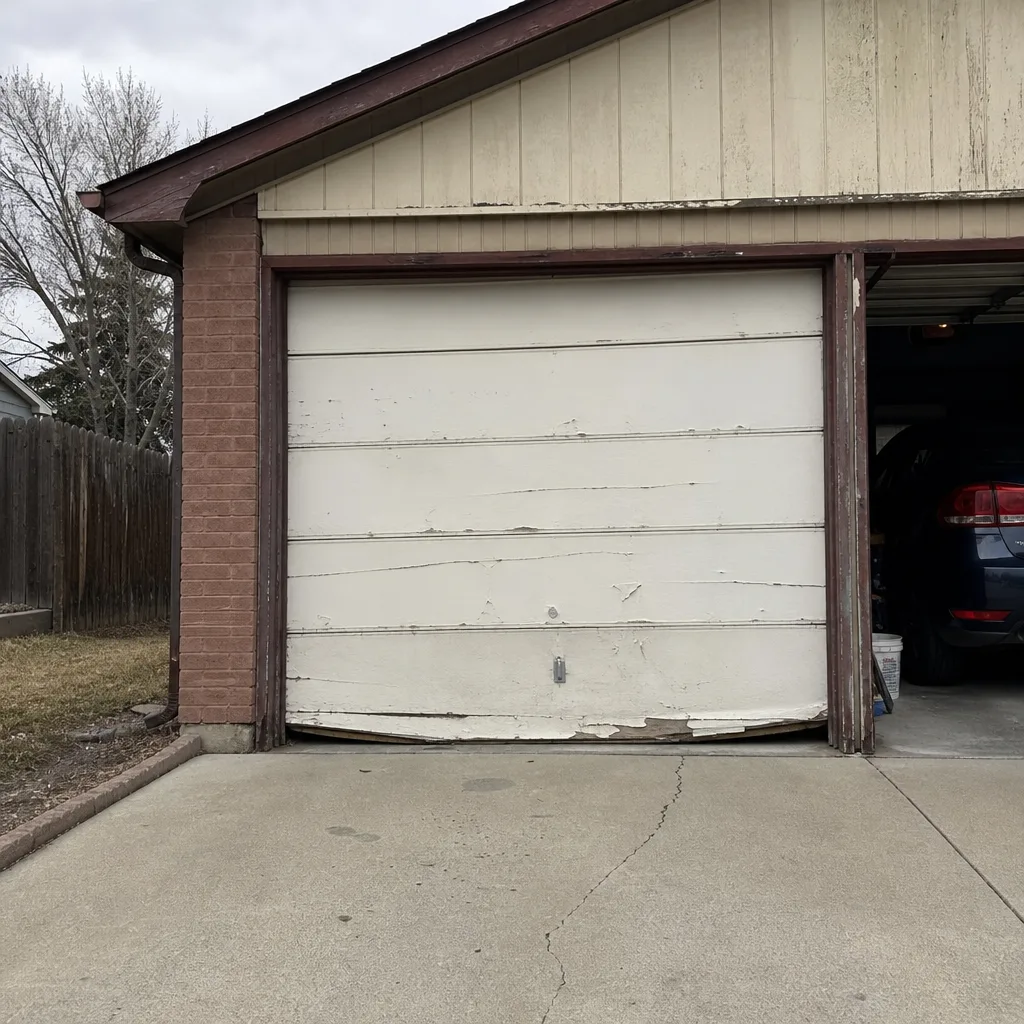 Before
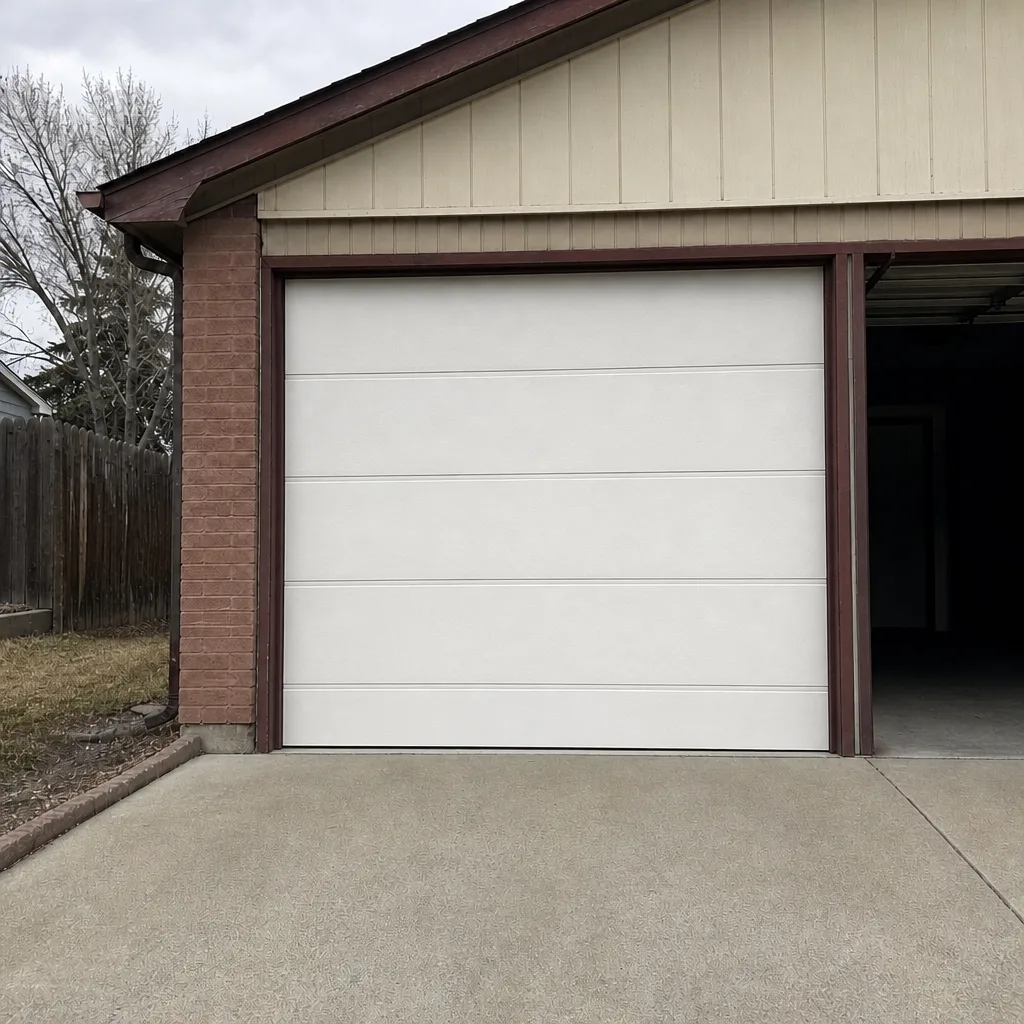 After
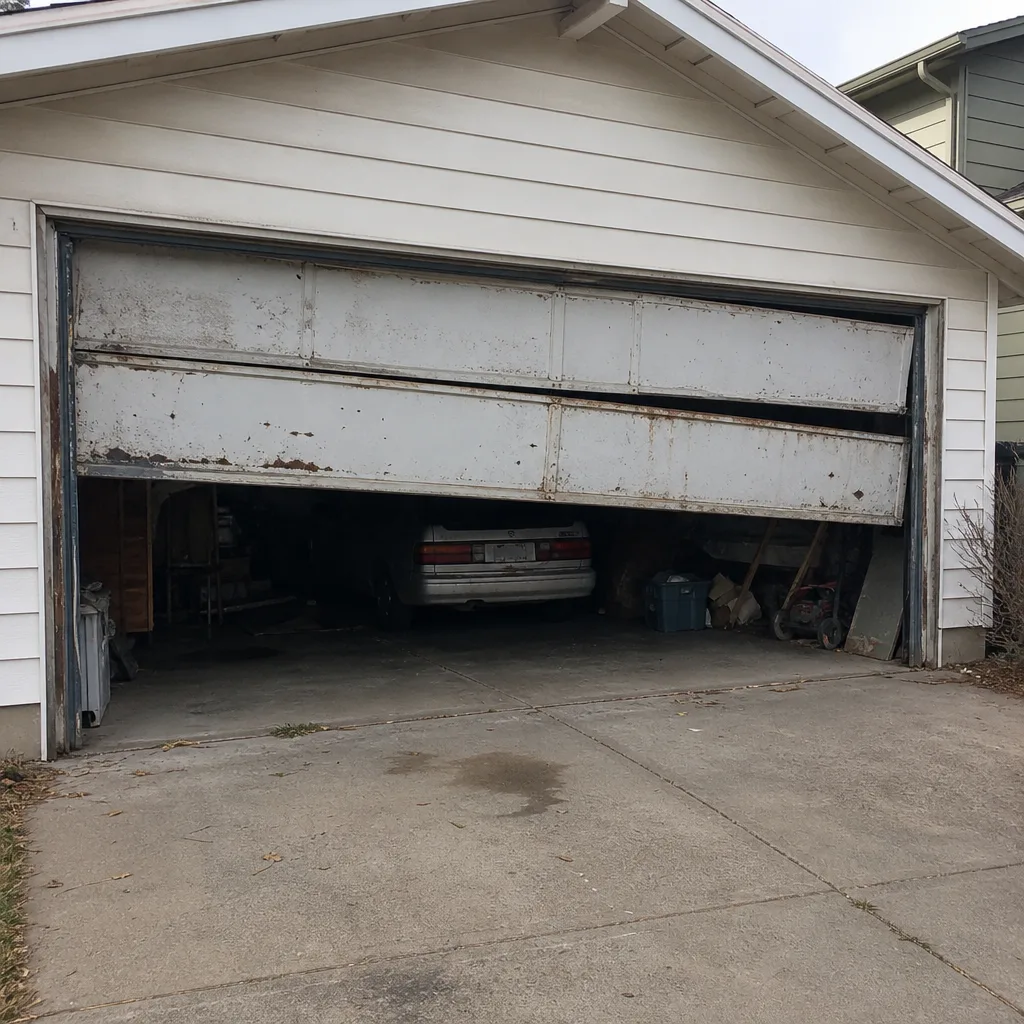 Before
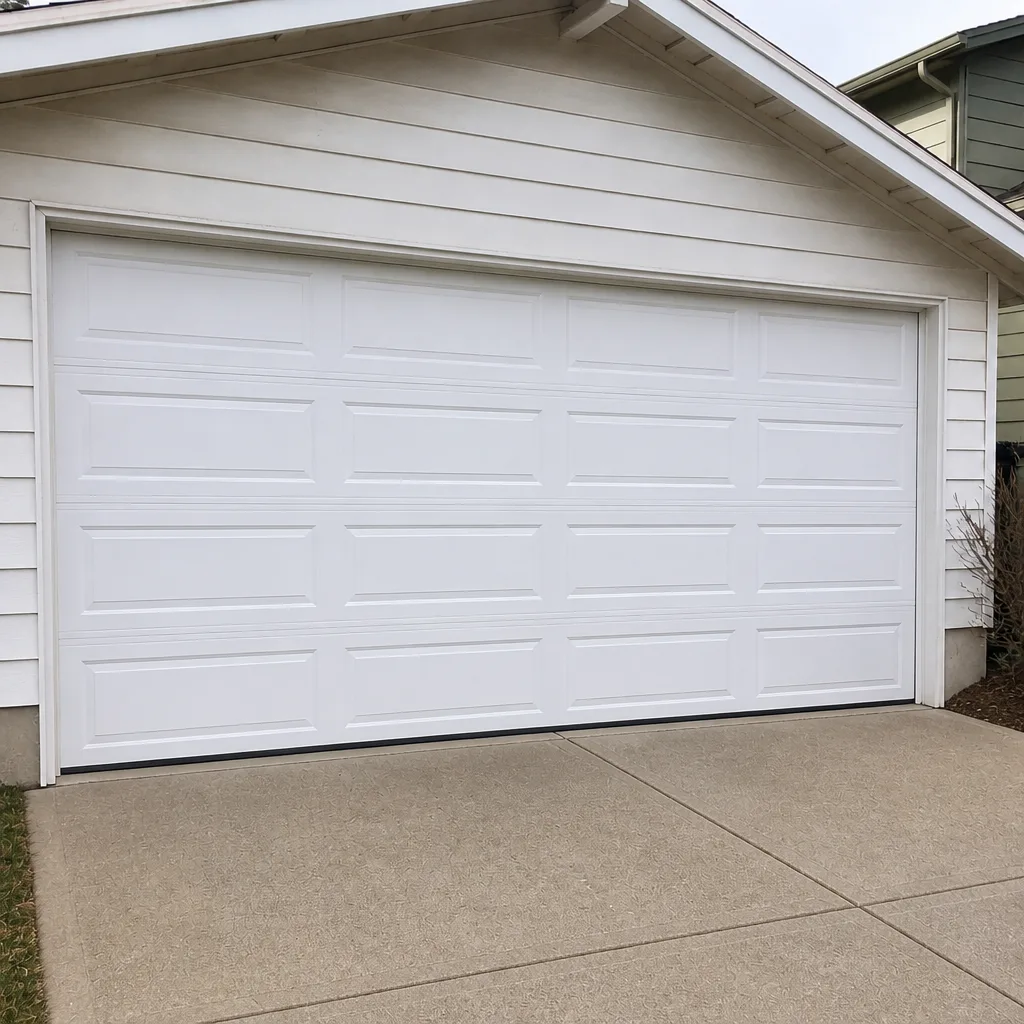 After
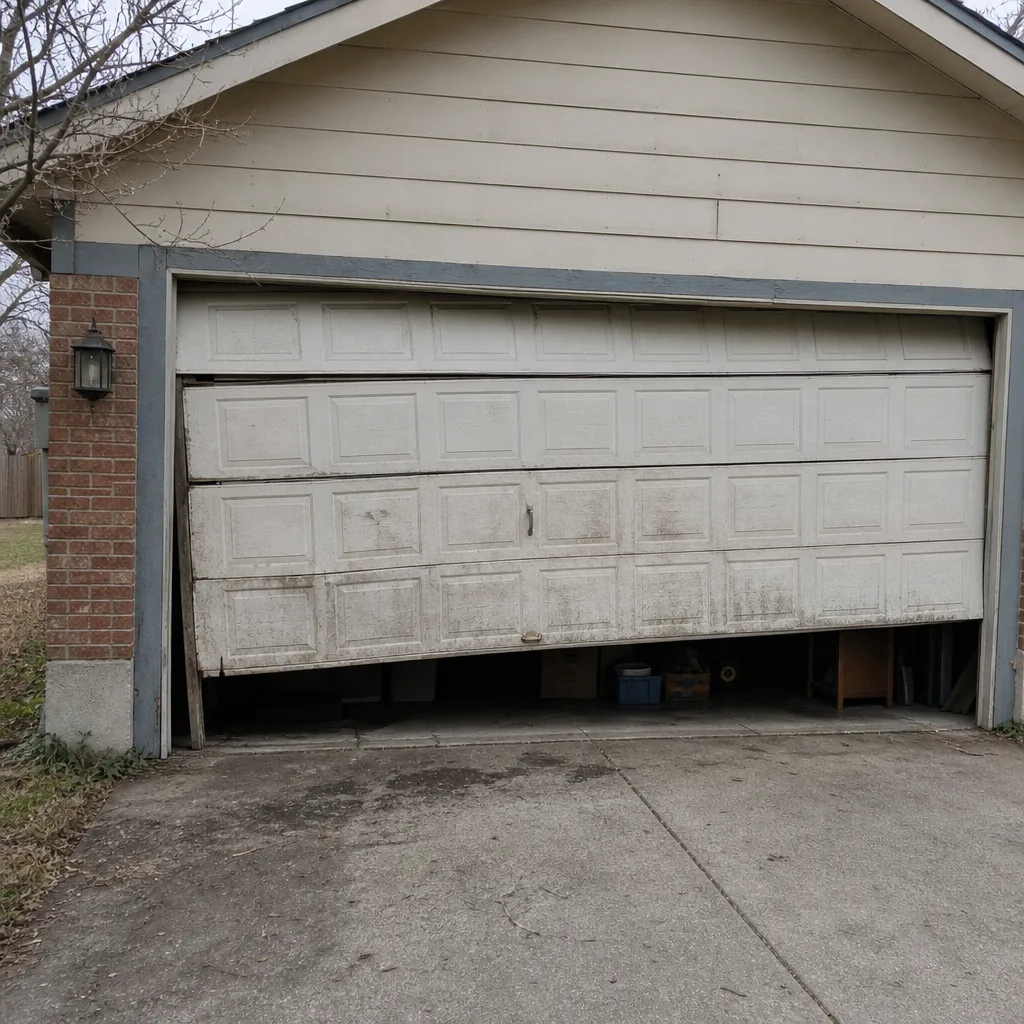 Before
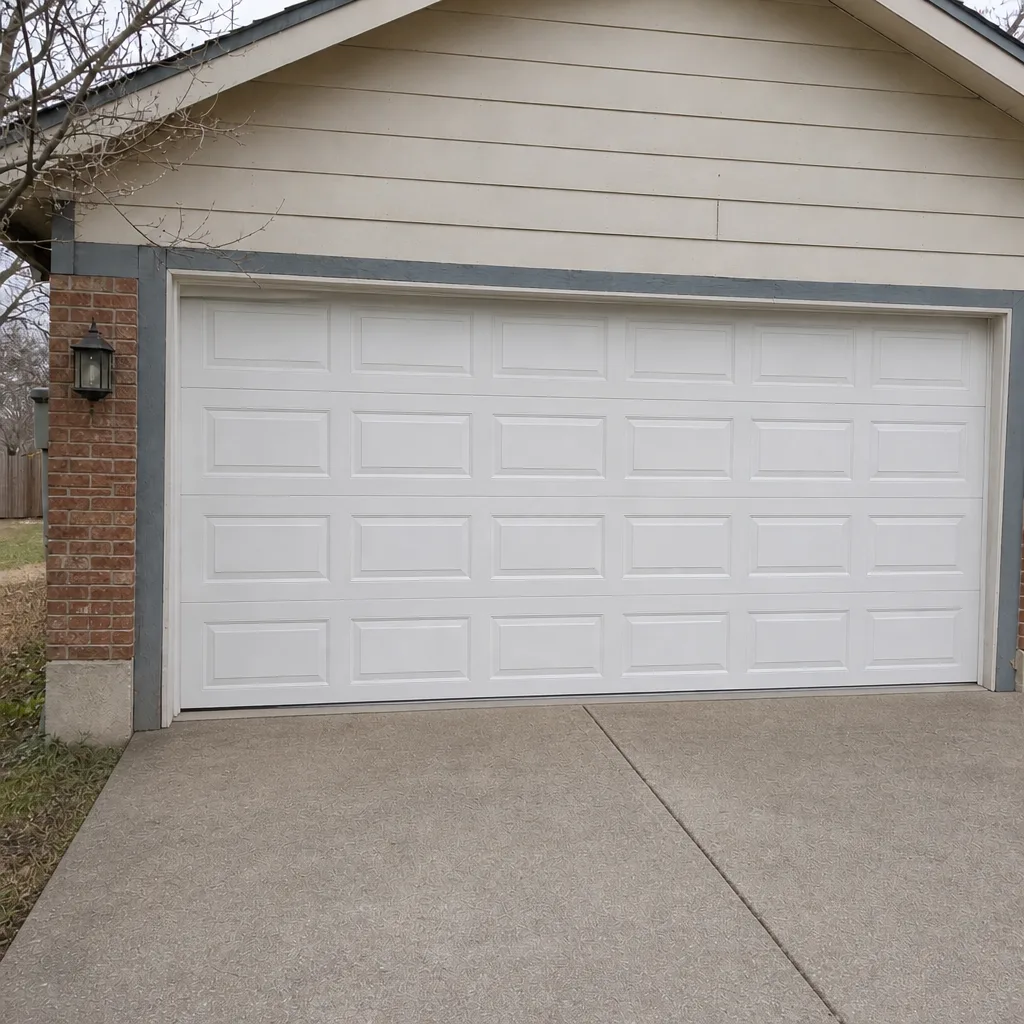 After
When to Call a Professional
Call a professional the moment the task touches a spring, a cable, the counterbalance system, or the opener’s electrical side. Also call if the door has come off its tracks, if a panel is damaged or the door feels unsafe, or if you’ve tried a fix once and the problem is still there. For spring failures especially, don’t wait: a door running without its counterbalance puts its full weight on everything else and turns a repair into a larger job. Garage Door Repair Meadow Hills offers free estimates in Meadow Hills, and the written quote is agreed before any work starts. Call (855) 337-1334. We answer 24/7. Fast dispatch, 7am-7pm. For anything that’s clearly the door itself rather than a single part, start with garage door repair in Meadow Hills and we’ll point you to the right service. If a call comes in outside dispatch hours, it’s booked into the next opening, Sunday through Friday, 7am to 7pm.
Frequently Asked Questions
No, and this is the one task we’d steer any homeowner away from. Torsion springs hold enough stored energy to cause serious injury in a fraction of a second, and releasing it wrong is where people get hurt. Spring repair is a job for a trained technician with the right winding bars and technique. If a spring has broken, stop running the door and call (855) 337-1334 for a free estimate.
Painting and staining, replacing weatherstripping, lubricating hinges and rollers, reprogramming a remote or keypad, and basic sensor alignment are all reasonable for a careful homeowner. None of them touch stored mechanical energy or high-voltage wiring. If a task ever involves spring tension, cables, or the opener’s electrical side, that’s the line: stop and call a specialist.
It can, but it often needs recalibration at Meadow Hills’ elevation. Thinner air means the travel and force settings that work at lower altitude may not behave the same here, so the door can run rough, stop short, or reverse early. That’s a calibration issue, not a bad unit. A specialist can set the limits and force sensitivity correctly in a short visit. Call (855) 337-1334 to book it.
Cost is set per job by a written estimate, and the estimate is free, so the right next step is a quick look at the actual system. The price is quoted and agreed before any work starts, so there are no surprises once the door is open. Spring work is quoted per spring, since a matched pair is usually replaced together. Call (855) 337-1334 for an exact quote. Estimates are free.
For simple tasks like weatherstripping or lubrication, DIY is cheaper. For anything involving springs, cables, or panel repair, a professional visit usually saves money because a botched attempt often damages the part next to the one you were fixing. Panels, cables, and openers cost more to replace than the original repair would have. A free estimate tells you which side of that line your job is on. Call (855) 337-1334.
Yes. A broken spring is a same-day repair. We answer 24/7, and a call outside dispatch hours is booked into the next opening, Sunday through Friday, 7am to 7pm. Don’t keep running the door on a broken spring, since it loads the opener and cables. Call (855) 337-1334 and we’ll get a free estimate and a repair scheduled.
The Bottom Line
The DIY-versus-professional question on a garage door comes down to one thing: is a mistake harmless or dangerous? Painting, weatherstripping, lubrication, and remote programming are yours to do. Torsion springs, cables, the counterbalance system, and opener wiring belong to trained hands, because a mistake there is physical and immediate. Meadow Hills homeowners get the best results by knowing which side of that line each task falls on. When it’s the dangerous side, a free estimate costs you nothing and the written price is agreed before work starts. Call (855) 337-1334. We answer 24/7. Fast dispatch, 7am-7pm.
Written by the team at Garage Door Repair Meadow Hills.