
Last updated November 20, 2026
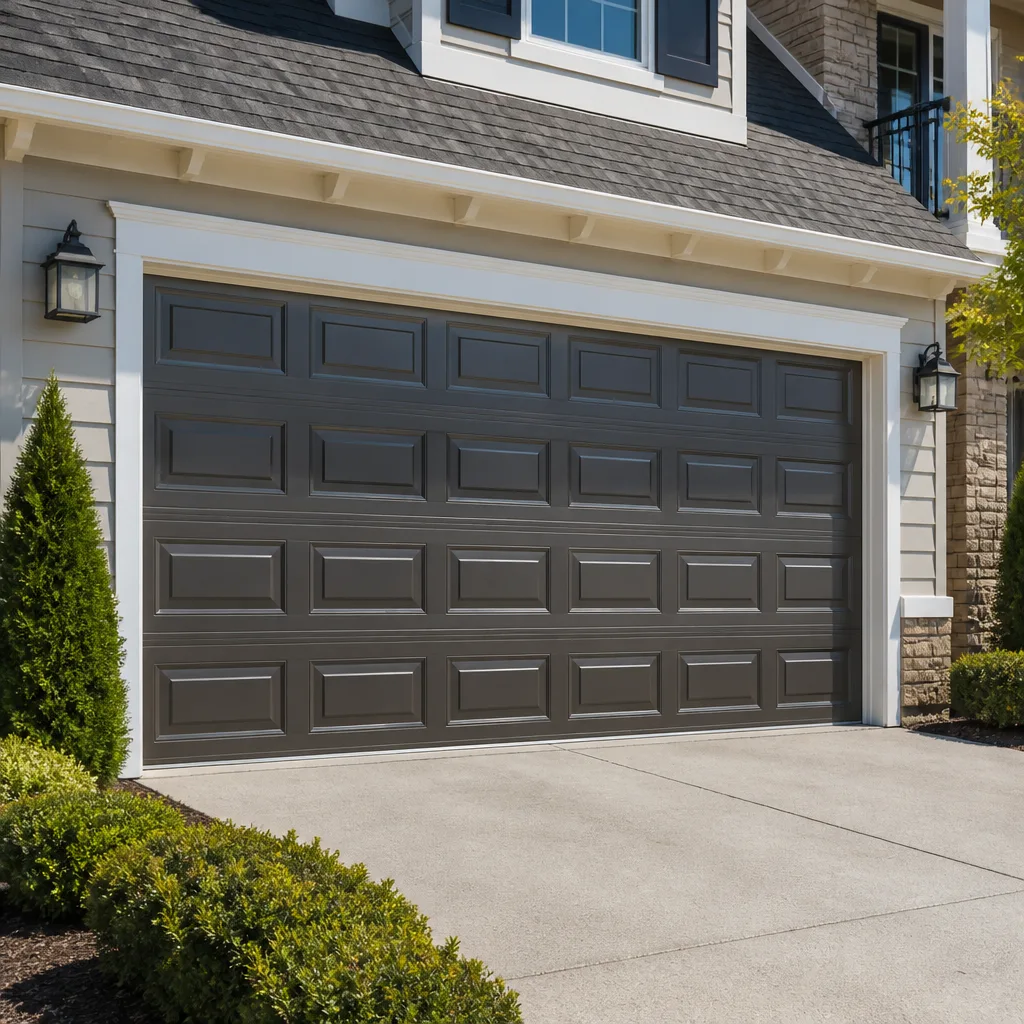 Raised-panel steel
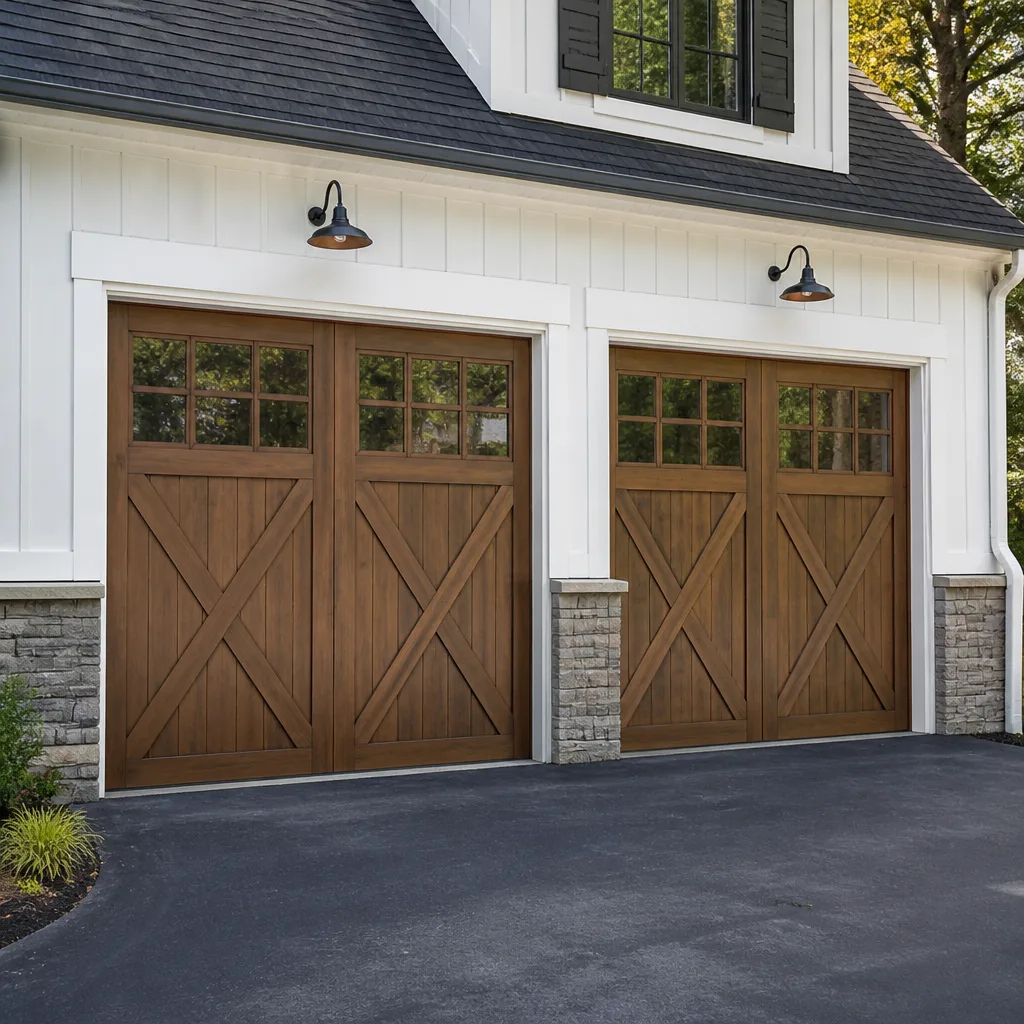 Carriage house
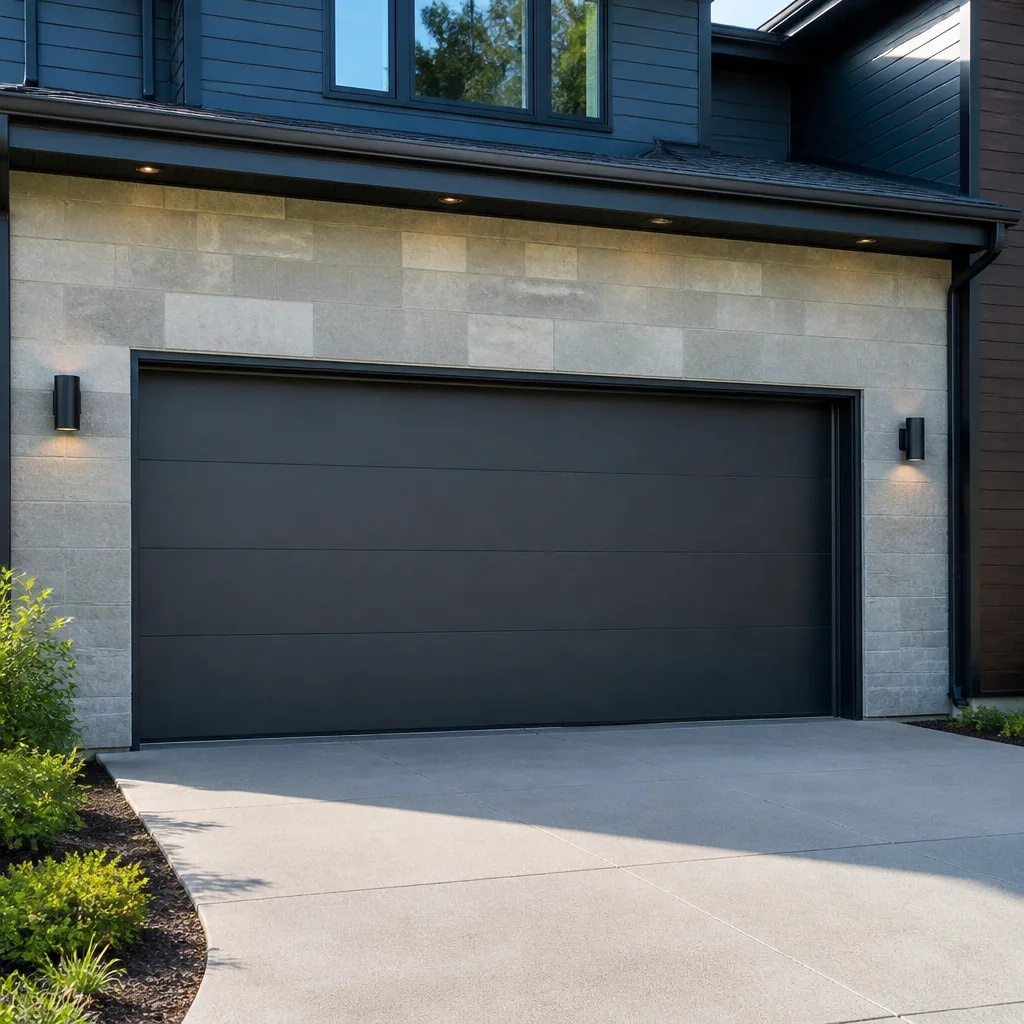 Modern flush
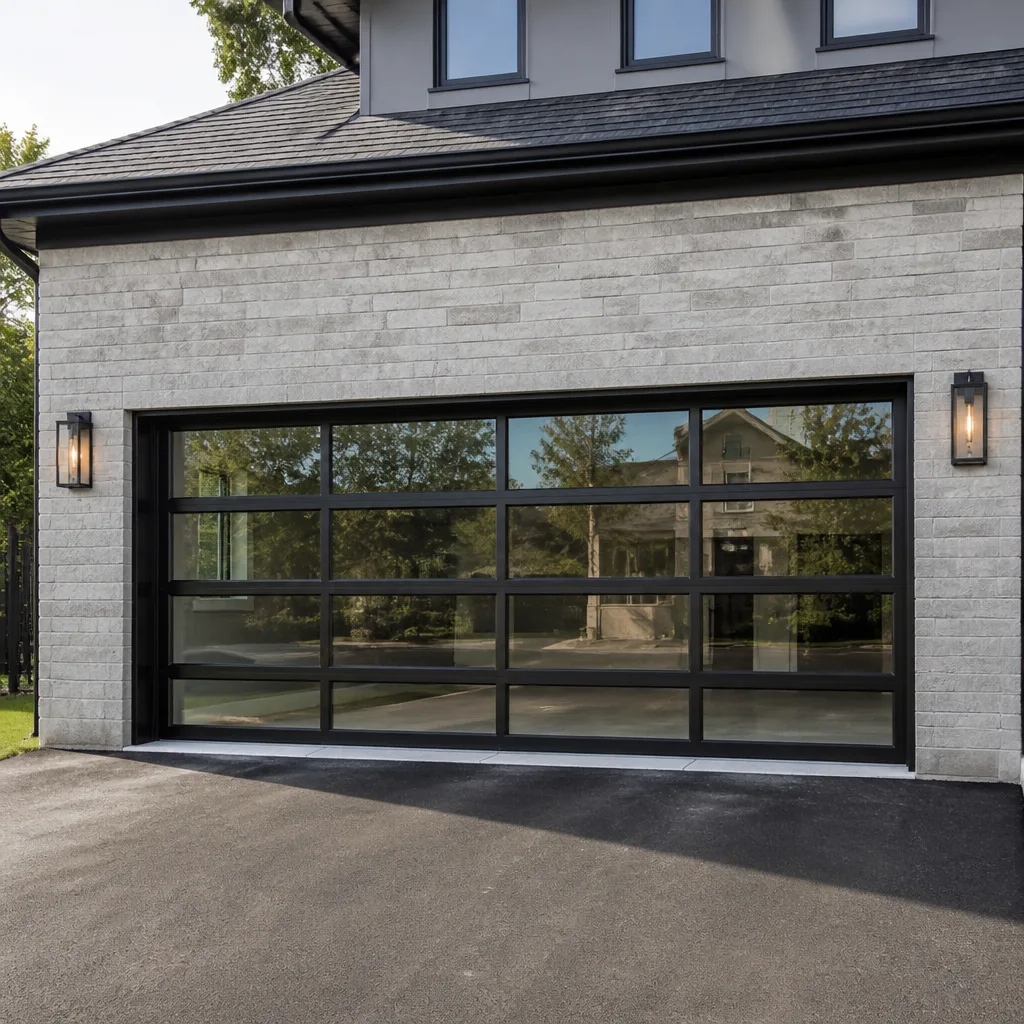 Full-view glass
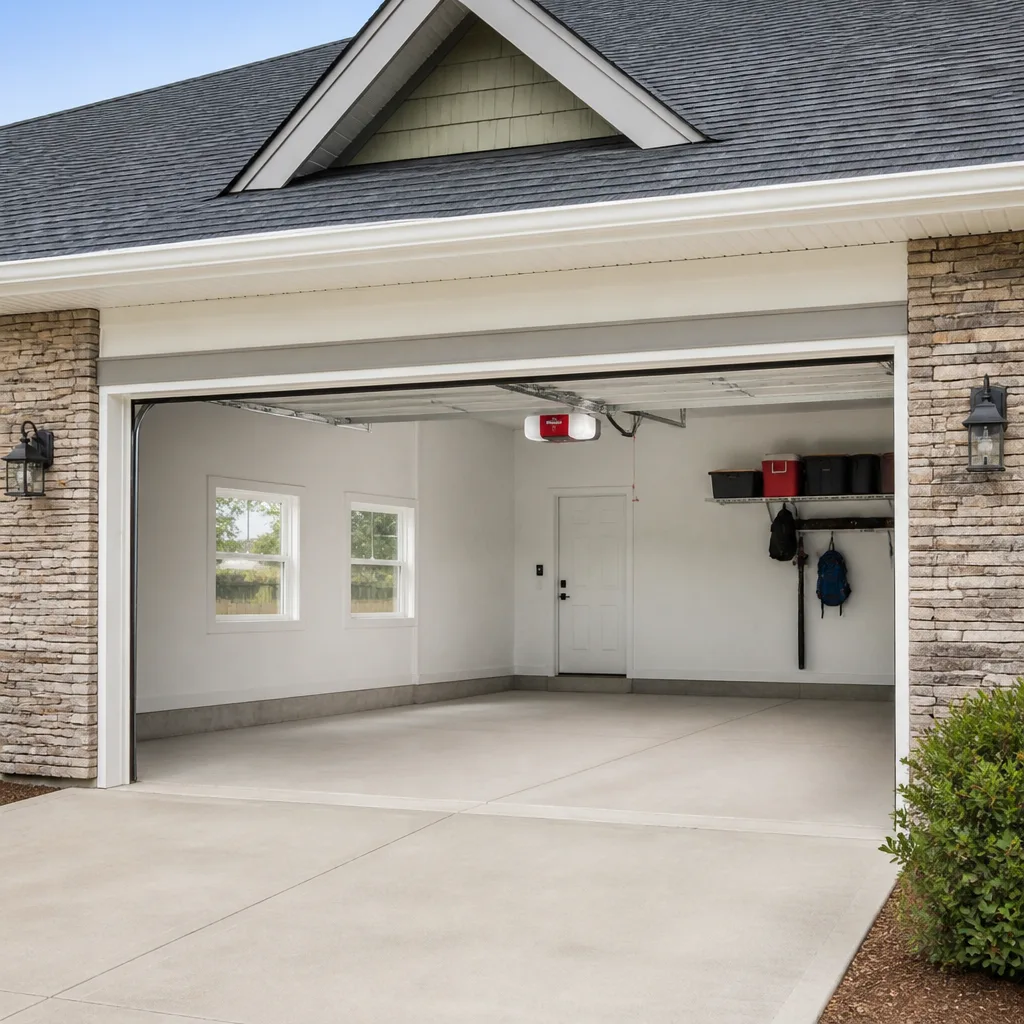 LiftMaster openers
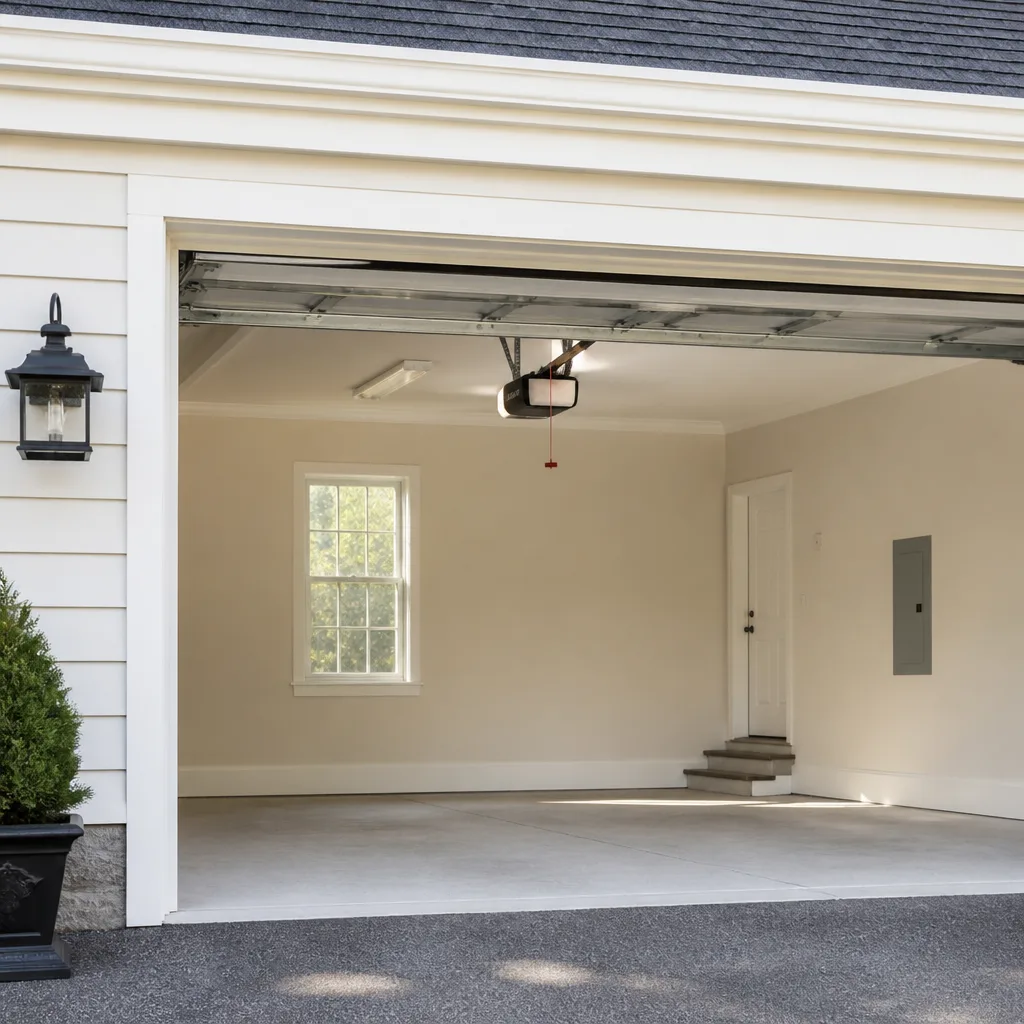 Chamberlain openers
Full 25-point door and opener safety check with every visit - springs, cables, rollers, tracks, and your LiftMaster or Chamberlain opener included
You get a price before we start. It does not change when the pro arrives.
Get your free estimateSeasonal Garage Door Care for Meadow Hills: Year-Round Homeowner’s Guide
Most garage door advice treats the year as four equal quarters. That’s the wrong model for Meadow Hills, and it’s why so many doors fail on the worst possible day. In our experience, the two highest-stress windows for every spring, cable, hinge, and opener in this climate are the first hard freeze of October and the first warm stretch in March. Both hit the same mechanical parts from opposite directions. One shrinks and stiffens everything; the other expands it and releases a winter’s worth of grit and moisture into the tracks. This guide walks you through what actually happens to garage door hardware through a Colorado freeze-thaw cycle, then gives you a month-by-month calendar built around Meadow Hills weather instead of a national template. By the end you’ll know what to adjust, when to inspect, and what to leave to a technician.
Quick Answer
Seasonal garage door care in Meadow Hills comes down to two priority windows: pre-winter prep before the first freeze and a spring thaw inspection once temperatures climb. In between, summer care is mostly about UV and heat on seals, wood, and paint, and the fall shoulder season is your tune-up window. A door that gets specific attention in October and March will usually outlast one that only gets a generic yearly once-over, because those are the weeks when springs, bottom seals, and opener force settings take the most punishment.
Styles & brands we work with
- Raised-panel steel
- Carriage house
- Modern flush
- Full-view glass
- LiftMaster openers
- Chamberlain openers
Table of Contents
- Why Meadow Hills Climate Is Hard on Garage Doors
- What a Colorado Freeze-Thaw Cycle Does to Your Hardware
- Pre-Winter Prep: The October Checklist
- Spring Thaw Checklist: What to Inspect in March
- Summer Heat and UV: What to Treat and What to Replace
- A Month-by-Month Garage Door Calendar for Meadow Hills
- Opener Settings and Brand Behavior Through the Seasons
- Common Mistakes to Avoid
- When to Call a Professional
- Frequently Asked Questions
Why Meadow Hills Climate Is Hard on Garage Doors
A Meadow Hills garage door lives through wide temperature swings, repeated freeze-thaw cycles, dry summer air, and intense high-altitude sun. None of those things are unusual on their own. What makes them hard on a door is the repetition. Metal expands and contracts daily, not just seasonally. The torsion spring that holds the door’s weight is under constant tension and changes its behavior as the metal warms and cools. Weatherstripping that stays flexible in a mild climate turns brittle here and then hardens further in the cold.
The compression matters too. A garage door is a system where every part pushes or pulls against another. When the bottom seal stiffens in cold weather, the door doesn’t seat the same way, and the opener has to work harder to close it fully. When the tracks contract, the rollers don’t glide the same line they did in September. Small shifts stack up.
Meadow Hills homes also sit at elevation, which means more UV exposure than a lower-altitude address gets. Sun on a west-facing wood or steel door fades paint, dries out wood panels, and degrades rubber seals faster. If your door faces the afternoon sun, your summer care matters as much as your winter prep, just for different reasons.
That’s the case for a climate-specific calendar. A national “inspect twice a year” reminder doesn’t account for a first hard freeze that arrives fast or a March warm-up that turns everything wet in a week. The sections below do.
What a Colorado Freeze-Thaw Cycle Does to Your Hardware
A freeze-thaw cycle means water gets into something, freezes, expands, thaws, and leaves a gap or a crack behind. On a garage door, that happens at the component level more than most homeowners realize. Here’s what goes on during a typical winter in Meadow Hills:
- Bottom seal: The rubber or vinyl seal along the floor stiffens as temperatures drop, so it doesn’t compress the way it did in fall. When moisture gets under the door and freezes, the ice can push the seal up and pull it away from the aluminum retainer. Over a season, the seal loses its shape and stops sealing.
- Torsion and extension springs: Cold metal is less ductile. A spring that’s already carrying its rated load has less give in the cold, and the failure risk rises. This is why spring breaks cluster in the first cold snaps.
- Cables: Cable and drum systems hold tension the same way springs do. Freezing moisture in a cable guide can cause a bind that puts uneven load on the spring and the door.
- Hinges and rollers: Lubricant thickens in cold. Rollers that glide in mild weather can drag, which loads the opener.
- Wood panels: Moisture works into seams, freezes, and widens them. Over several winters, a wood door shows separation at the stiles and rails.
- Steel panels: Paint protects steel from rust. A chip from a stray pebble or a door that rubs a track exposes bare metal, and freezing moisture under a chipped edge lifts the paint further.
The pattern is the same each year: parts that should move freely get stiff, parts that should seal get hard, and the opener compensates for both. By the time the door starts acting up, the wear is usually several weeks old. That’s the argument for checking before the stress hits instead of after.
Pre-Winter Prep: The October Checklist
October is the highest-value month for garage door maintenance in Meadow Hills. Everything you do before the first hard freeze protects the door through the whole winter. Everything you skip shows up as a problem in January, when you least want one. Here’s the specific prep we recommend:
- Check spring tension behavior. With the door closed, watch how it lifts. If it feels heavy or unbalanced as it comes up, the spring may be losing tension, and cold weather will make that worse. Don’t try to adjust a torsion spring yourself. Checking behavior is fine; touching the spring is a technician’s job.
- Inspect bottom seal compression. Close the door and look at the line where the seal meets the floor. If daylight shows through anywhere, or if the seal looks flattened on one side, it’s already not sealing. Cold will stiffen it further, so replace it before the freeze.
- Adjust opener force settings. Openers have force and travel-limit settings. If your door is dragging, raising force masks the drag rather than fixing it, but checking the settings and confirming travel limits is worth doing before the cold makes everything stiffer. If you’re not sure where the limits sit, a technician can check them in minutes.
- Lubricate hinges, rollers, and springs. A garage door lubricant on moving parts reduces cold-weather drag. Avoid heavy grease that thickens in the cold.
- Clear the tracks. Debris, leaves, and grit in the tracks become bind points when rollers drag. Wiping them out takes a few minutes.
- Look at the weatherseal around the frame. The seal on the sides and top of the door opening takes the same cold stress as the bottom seal. Pull back a corner and check for cracks.
- Check the balance. Disconnect the opener (use the release cord) and lift the door halfway by hand. A properly balanced door stays put. If it drifts down or up, the springs are out of balance and need a professional look before winter.
If you find a spring problem during the October check, that’s the best time to act. Spring repair on a still-functioning door is a scheduled job; spring repair after a break is a rush job. Cold accelerates failures, and a spring that’s been weakening all fall is more likely to break once a Meadow Hills winter sets in.
Spring Thaw Checklist: What to Inspect in March
March in Meadow Hills is the second high-stress window. As temperatures climb, everything that froze starts to thaw, and a winter’s worth of moisture, grit, and stiffened parts gets released at once. The first warm week is when a lot of homeowners discover what winter did. Before you go back to normal use, run this inspection:
- Look for rust and paint damage on steel panels. Chips and scratches that picked up winter moisture will have started rusting. Catch them before summer sun bakes the damage in. Touch up bare metal with matching paint.
- Test the bottom seal again. A seal that took freeze damage over the winter often looks fine from a distance and fails the daylight test. Close the door and check the line at the floor.
- Check the balance by hand. Same test as October: release the opener, lift the door halfway, and see if it stays. If a spring weakened over the winter or picked up a crack, this will show it.
- Inspect cables and drums. Look for fraying, loose winding, or a drum that’s not sitting square. Cables under load are dangerous, so keep your hands clear and let a technician handle anything that looks off.
- Listen to the door through a full open and close. Grinding, squealing, or a thunk at the end of travel points to a roller, hinge, or limit problem. Note where in the cycle it happens.
- Clear and lubricate the tracks. Winter grit and moisture leave residue. Wipe it out and re-lubricate.
- Check the weatherseal around the frame. Cold and moisture can split the side and top seals. If they’ve gone hard or cracked, they’re replacement items.
- Test the opener’s safety reverse. Put an object in the door’s path and close it. The door should reverse on contact. This is a safety check you should do any time of year, but especially after winter.
If the inspection turns up a problem in the panels themselves, we can advise on whether it’s a repair or a full replacement. Garage door installation is often the right call after a decade of freeze-thaw cycles wears panels, seals, and hardware together, but a lot of doors are worth repairing. The difference depends on the panel condition and the age of the springs and opener.
Summer Heat and UV: What to Treat and What to Replace
Summer gets less garage door attention than winter, but it’s the season that quietly does the most cosmetic and long-term damage in a high-altitude, high-UV climate like Meadow Hills. The combination of heat and direct sun breaks down weatherstripping, dries out wood, and fades paint faster than most homeowners expect.
Here’s what to treat versus what to replace:
- Weatherstripping and seals – replace when the rubber has gone hard or cracked. Rubber and vinyl weatherstripping have a working life. When they dry out from UV and heat, they stiffen and lose their seal. Treating a hardened seal doesn’t do much; replacement is the answer. Check the bottom seal, side seals, and top seal together, since they age at roughly the same rate.
- Wood panels – treat with a quality stain or paint. Wood dries out over a hot summer and separates at seams. A fresh coat of stain or exterior paint protects against moisture when the wet cycle returns. If a panel has visible separation, treat the wood and watch it. If it’s gone soft or the seam is widening, replacement is the better call.
- Painted steel – treat with matching touch-up paint. Fading isn’t a repair issue, but a chip that exposes bare steel will rust, and rust spreads. A quick touch-up keeps small damage from becoming panel replacement.
- Hinges and rollers – treat with lubrication. Heat dries out lubricant. A mid-summer re-lubrication keeps roller strain down.
- Tracks – inspect for expansion shift. Metal expands in heat. If your tracks have picked up a slight bow from summer expansion, the rollers will drag. That’s a professional adjustment, not a DIY fix.
If you’re seeing more than one issue at once, it’s often worth a full assessment. Garage Door Repair Meadow Hills is a garage door specialist and only does garage doors: diagnosis, spring and opener repair, parts, and full installs. That focus matters when you’re trying to decide whether summer damage is worth a full garage door repair visit or a straightforward seal replacement.
A Month-by-Month Garage Door Calendar for Meadow Hills
Here’s the calendar we’d hand to a Meadow Hills homeowner if they asked what to do when. It’s built around the actual climate pattern, not a national template, so the heaviest tasks land in the shoulder seasons that bracket winter.
- January – watch and listen. Deep cold month. Listen for new noises on open and close. If the door feels heavy or the opener is straining, stop using it and call. Don’t force anything in a hard freeze.
- February – keep the seal clear. Ice and snow packed against the bottom seal weaken it. Clear it once a week if snow has been sitting against the door.
- March – the big inspection. Run the full spring thaw checklist above. This is the month when most winter damage surfaces.
- April – spring tune-up. Balance check, lubrication, and a full open-and-close listen. If March showed anything, this is the window to fix it before summer.
- May – wood and paint. Touch up wood panels and painted steel before summer sun hits. Check weatherstripping for dryness.
- June – seal check. Bottom seal, side seals, and top seal. UV does its worst damage in early summer, so check them now if you haven’t already.
- July – mid-summer lubrication. Heat dries out moving parts. Re-lubricate hinges and rollers.
- August – track check. Heat expansion can bow tracks slightly. Watch for drag on the rollers. A technician can adjust if needed.
- September – pre-winter window opens. Check balance, test the opener force settings, and get a spring assessment before the cold.
- October – the pre-winter checklist. This is the single highest-value maintenance month of the year in Meadow Hills. Follow the pre-winter checklist above.
- November – first freeze watch. After the first hard freeze, look at the bottom seal again. If it stiffened more than expected, replace before deep winter.
- December – minimal touch. Deep cold month. Keep the bottom seal clear of snow and ice, and listen for new sounds.
Two months carry most of the value: October and March. If you do nothing else with this calendar, do the pre-winter prep and the spring thaw inspection. Those two windows bracket the season that does the most damage.
Opener Settings and Brand Behavior Through the Seasons
Your opener is the part of the system that adapts to seasonal change most actively, whether or not it’s set up to do that well. When the door gets stiffer in cold weather, the opener pulls harder. When the door gets looser in warm weather, the opener has to hold the door’s travel limits more precisely. A force setting that’s too high masks a door problem and wears the opener’s gears. A force setting that’s too low causes false reversals in cold weather, which look like a safety trip but are just a setpoint that doesn’t account for cold stiffness.
LiftMaster and Chamberlain are the two most common systems in Meadow Hills homes, and both handle this reasonably well when the force and travel limits are set correctly for the season. Genie systems have their own behavior. If your opener is misbehaving as the seasons change, the diagnosis starts with the door itself: is it balanced, does it drag, does it reverse properly by hand? If the door is fine, the opener needs attention.
That’s the reason we work on what you have rather than defaulting to replacement. Our technicians are trained on Craftsman, Raynor, LiftMaster, and Chamberlain, and we service six more brands including Genie, Clopay, Amarr, and Wayne Dalton. A dead opener after a cold snap is very often a limit or force setting that’s been masking a door problem, not a failed motor. Garage door opener repair on the existing unit is usually the right call before any replacement conversation.
One seasonal note for openers: check the manual release whenever the weather turns. A release that’s been sitting unused through summer can seize when you need it in a power outage. Pull it once in October and once in March to confirm it moves freely.
Common Mistakes to Avoid
- Applying heavy grease to cold weather moving parts. Grease thickens in the cold and can make dragging worse than dry rollers. Use a garage door lubricant rated for the temperature swings Meadow Hills actually sees.
- Raising the opener force setting to mask a dragging door. A force adjustment is a workaround, not a fix. If your door is dragging, the answer is finding and fixing the drag, not telling the opener to pull harder.
- Skipping the October check because the door “seems fine.” A spring that fails in January usually gave warning in October. The door sounds fine right up until it doesn’t, and a stiff weatherseal looks normal from a distance. The pre-winter check is the cheapest insurance on the door.
- Treating the seal as a one-time install. Bottom seals, side seals, and top seals all age with UV and cold. In Meadow Hills, expecting a seal to last the same lifespan it would in a mild climate is the mistake. Inspect each season.
- Forcing a frozen door open. If the door is stuck after a freeze, don’t pull the opener harder. Ice in the tracks or at the seal, or a broken spring, are the usual causes, and forcing it can damage the opener, cables, or panels.
- Handling spring or cable work without the training. Torsion and extension springs are under extreme tension. Cables are just as dangerous. This is the repair most often mishandled by generalists, and it’s the one where a mistake can cause serious injury. Leave spring and cable work to a trained technician.
- Using a general handyman for a door problem. A garage door specialist understands the whole system: springs, opener, tracks, panels, and seals as one mechanism. A generalist may fix the symptom and miss the cause, and the next failure lands in the worst week of the year.
When to Call a Professional
Some seasonal care is homeowner work: wiping tracks, re-lubricating hinges, checking balance by hand, and cleaning the bottom seal. Call a professional when the issue involves anything under tension or anything electrical, and when the door’s behavior changes after a hard freeze or spring warm-up. Specifically, call us if a spring has snapped, if the door won’t stay halfway up on its own, if a cable is frayed or the door hangs unevenly, if the opener reverses on its own, or if you see visible panel separation after a winter. Springs and cables are the highest-risk jobs in this trade, and they don’t belong in a DIY weekend. Garage Door Repair Meadow Hills offers free estimates in Meadow Hills. Call (855) 337-1334. We answer 24/7. Fast dispatch from 7am to 7pm, Sunday through Friday. Our technicians have up to 10 years of experience, and we work on the brand that’s already on your door instead of pushing a replacement.
Frequently Asked Questions
The two priority windows are October, before the first hard freeze, and March, after the spring thaw. October prep protects springs, seals, and opener force settings through the cold season, and the March inspection catches winter damage before summer heat bakes it in. If you do only one, make it October. Call (855) 337-1334 for a free estimate.
Cold metal is less ductile, so a spring carrying its rated load has less give in freezing weather. Springs that have been weakening through fall often give out on the first hard freeze, which is why spring breaks cluster in late October and early November in Meadow Hills. If your door feels heavy through the fall, get the springs checked before winter. Call (855) 337-1334 – estimates are free.
You can find the setting and confirm it’s in range, but if the door is dragging, raising force masks the drag instead of fixing it. The better move is to find out why the door is heavy: a spring losing tension, a stiff seal, or a bound roller. A technician can diagnose it in a single visit. Call (855) 337-1334 to schedule.
The bottom seal is a wear item, and the freeze-thaw cycle in Meadow Hills ages it faster than a mild climate would. Check it at the start of every cold season and again after the thaw. Replace it when you see daylight through the closed door, when the seal feels hard or cracked, or when it’s pulling away from the retainer. Call us if you’re not sure whether it’s a seal or an alignment issue.
Spring balance by hand, bottom seal compression, opener force and travel limits, and lubrication on hinges and rollers. Clear the tracks and check the weatherseal around the frame. If the balance is off or the door feels heavy, call before the cold. A spring problem in October is a scheduled repair; the same problem in January is a rush. Call (855) 337-1334 for a pre-winter check.
Probably the door, not the opener. Cold stiffens the bottom seal and thickens lubricant, which makes the door drag, and the opener compensates by pulling harder. That can feel like an opener fault but usually traces back to the door itself. A balance check by hand will tell you a lot. If it drifts, it’s a spring or seal issue. Call (855) 337-1334 if you want a technician to confirm.
The Bottom Line
The Meadow Hills garage door calendar isn’t four equal seasons. October and March carry most of the year’s risk, and most of the damage they do is preventable with specific prep and a specific inspection. Pre-winter prep protects spring tension, bottom seal compression, and opener force settings. Spring thaw inspection catches winter damage before summer heat bakes it in. Summer care is mostly about UV and heat on seals, wood, and paint, and fall shoulder season is your tune-up window. If you want the short version, do the October and March checks. If you want the door handled end to end, that’s what we do.
Call (855) 337-1334 for a free estimate. We answer 24/7. Fast dispatch from 7am to 7pm, Sunday through Friday. Garage doors are all we do, and we do every part of it: Garage Door Repair Meadow Hills for the full range of repair work, opener service, spring replacement, parts, and new installs for homeowners and property managers across Meadow Hills. When you call, ask for the pre-winter check if it’s October and the spring thaw inspection if it’s March. Those are the two calls that save the most money over a door’s life.
Written by the team at Garage Door Repair Meadow Hills.
See the difference
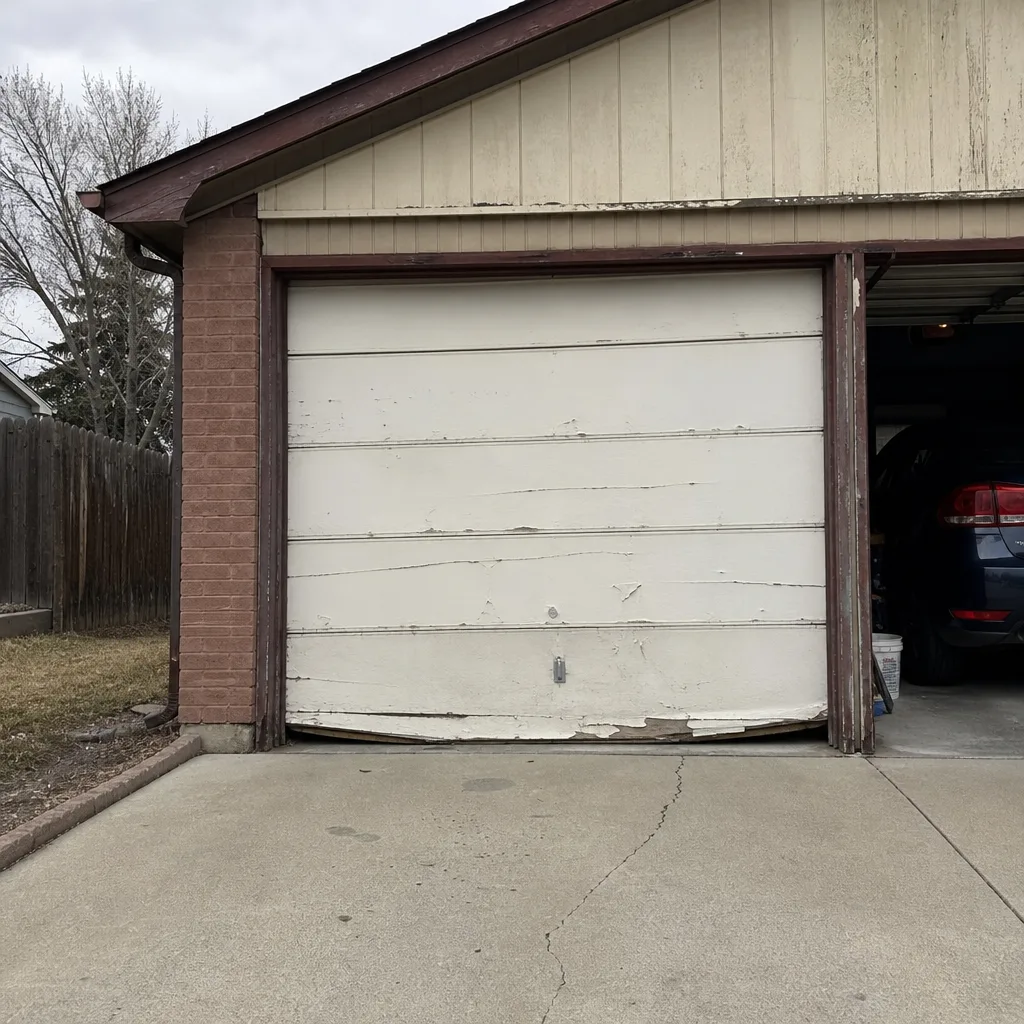 Before
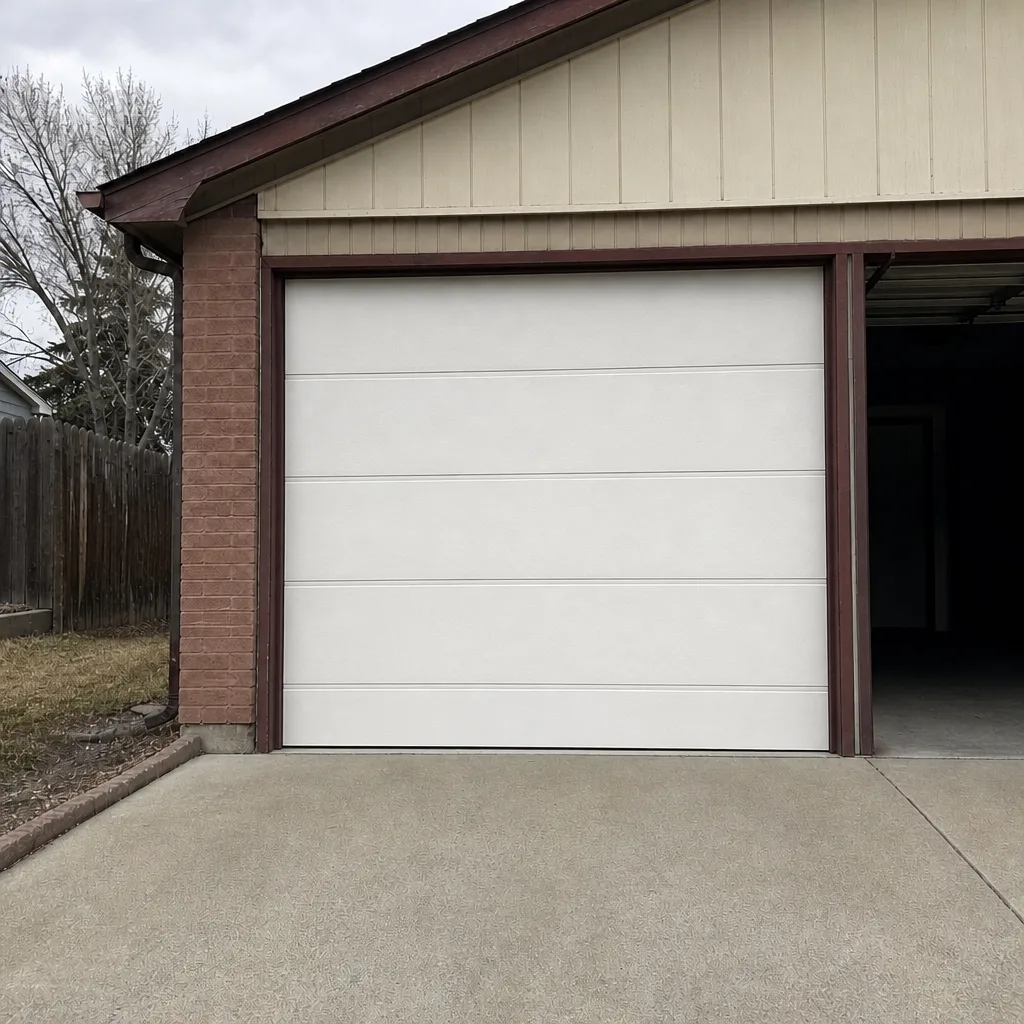 After
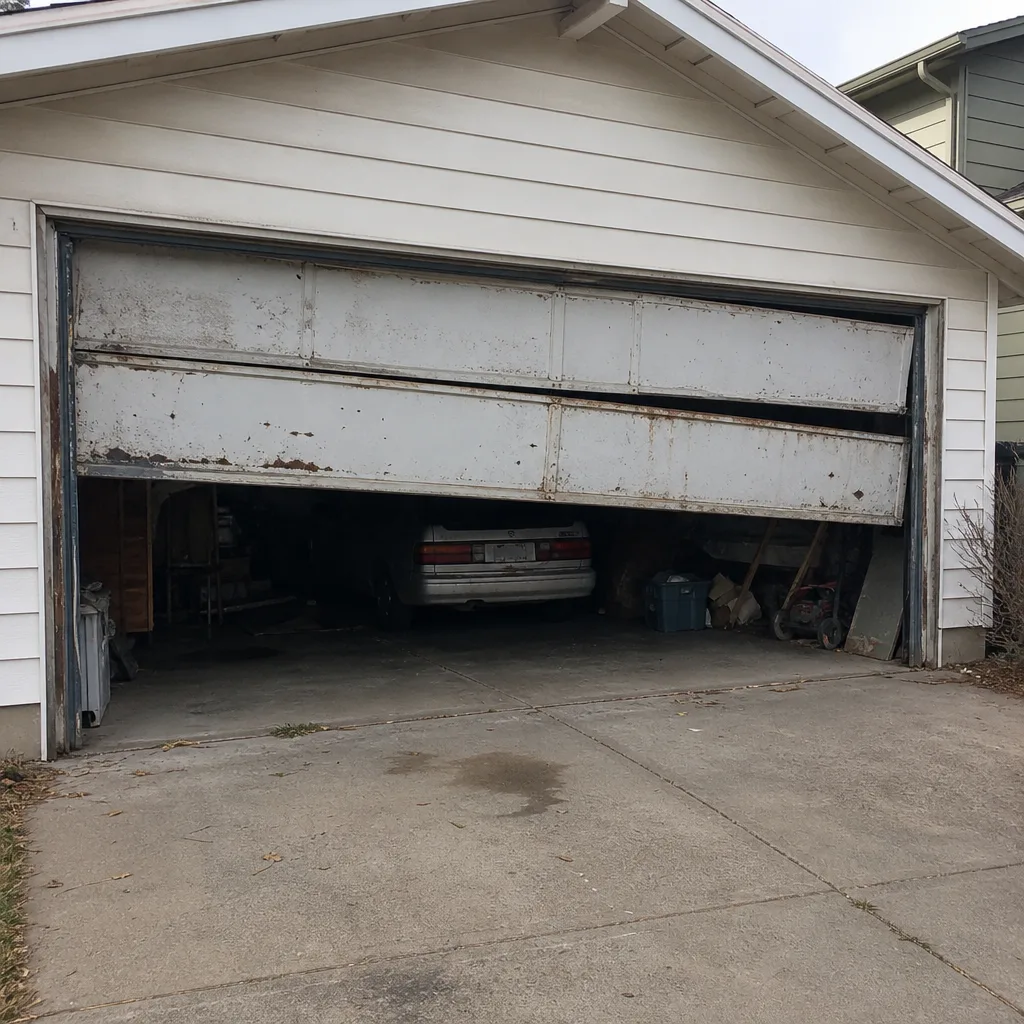 Before
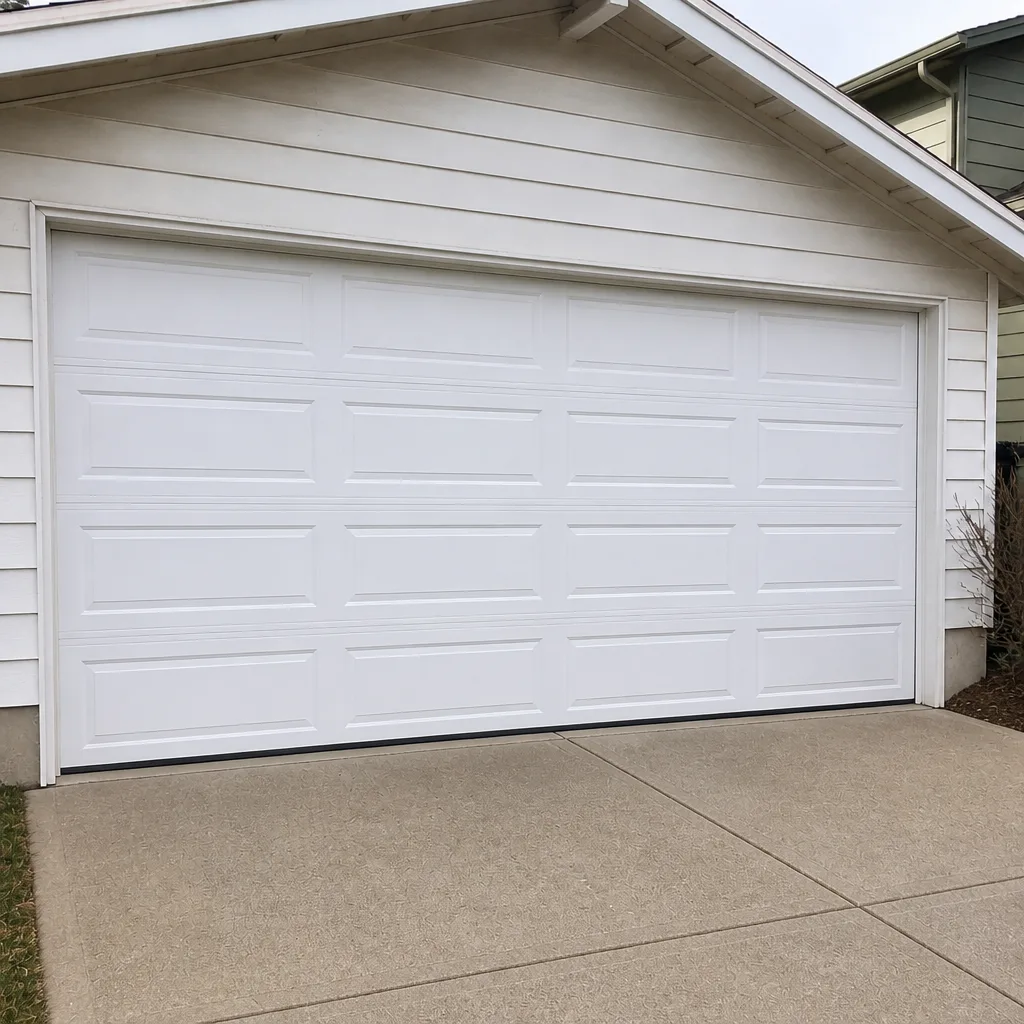 After
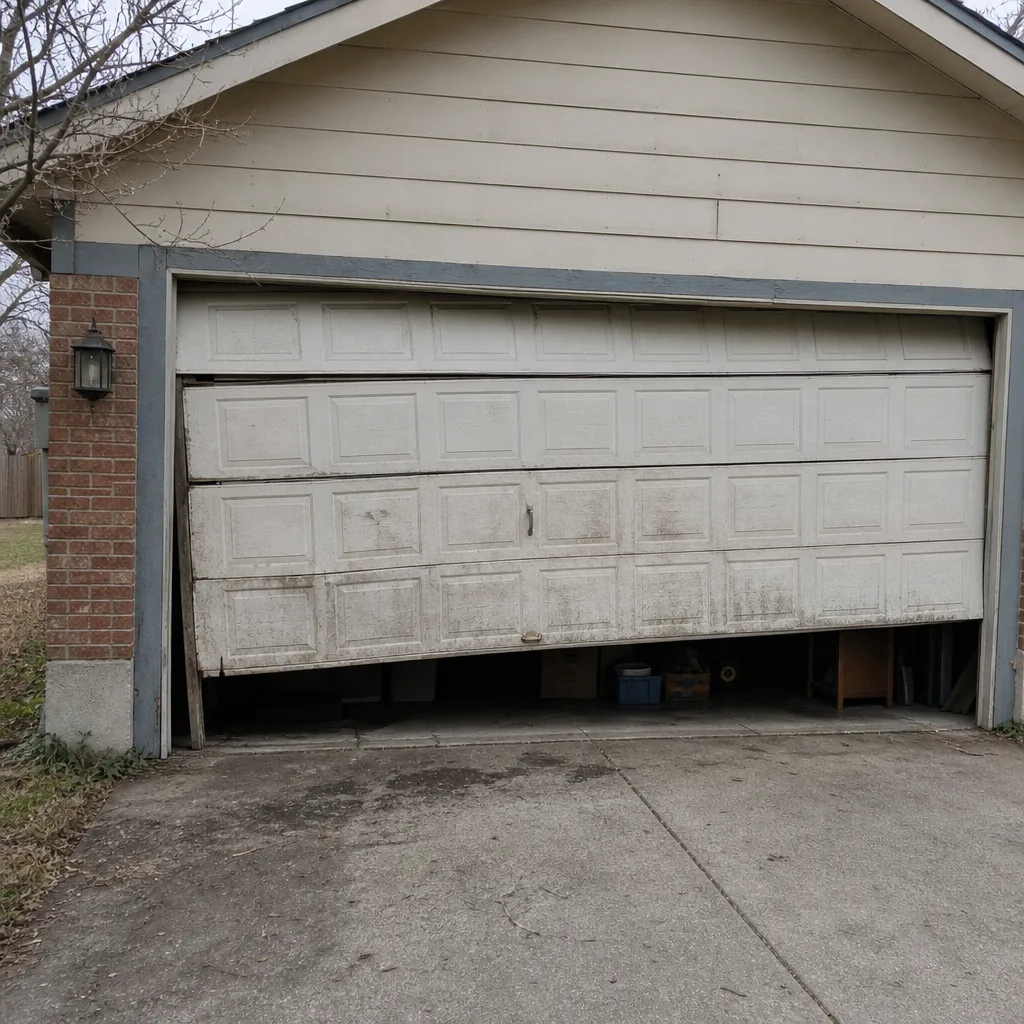 Before
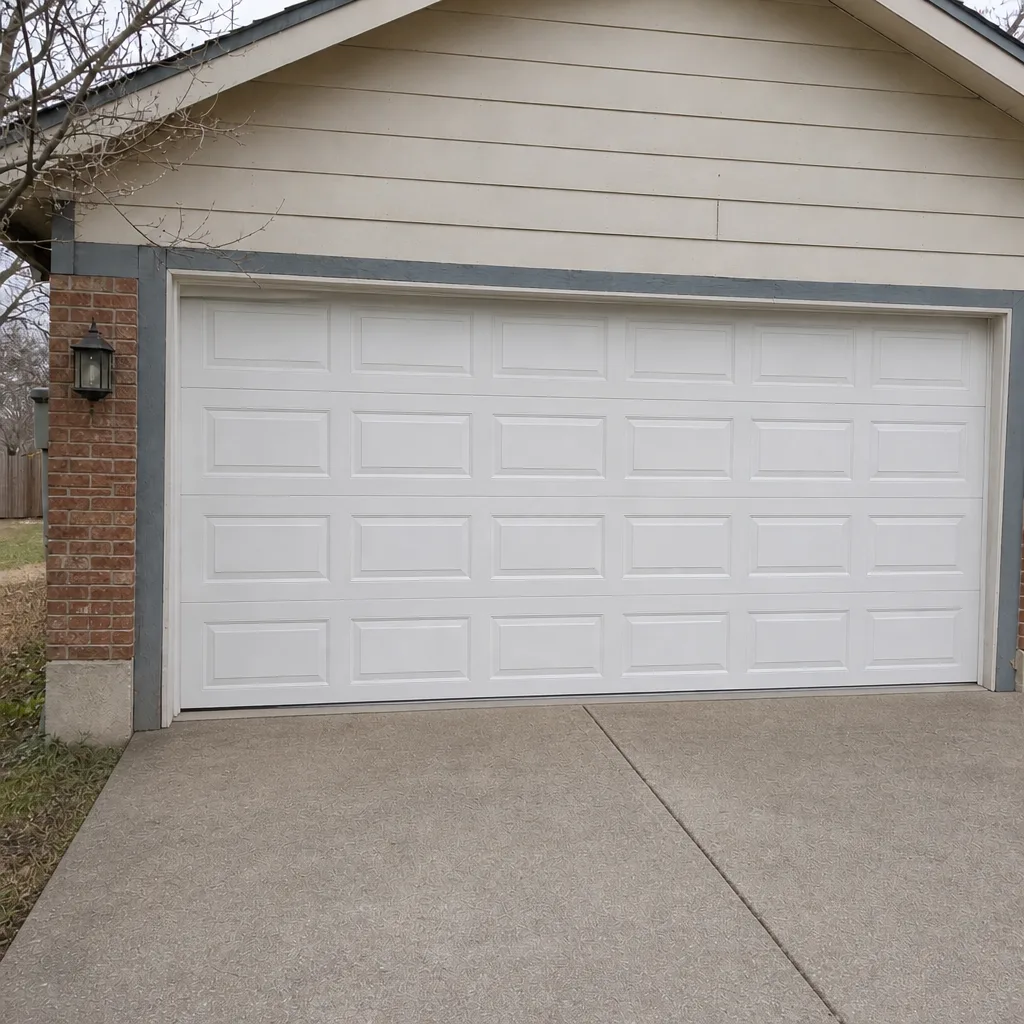 After