
Last updated November 20, 2026
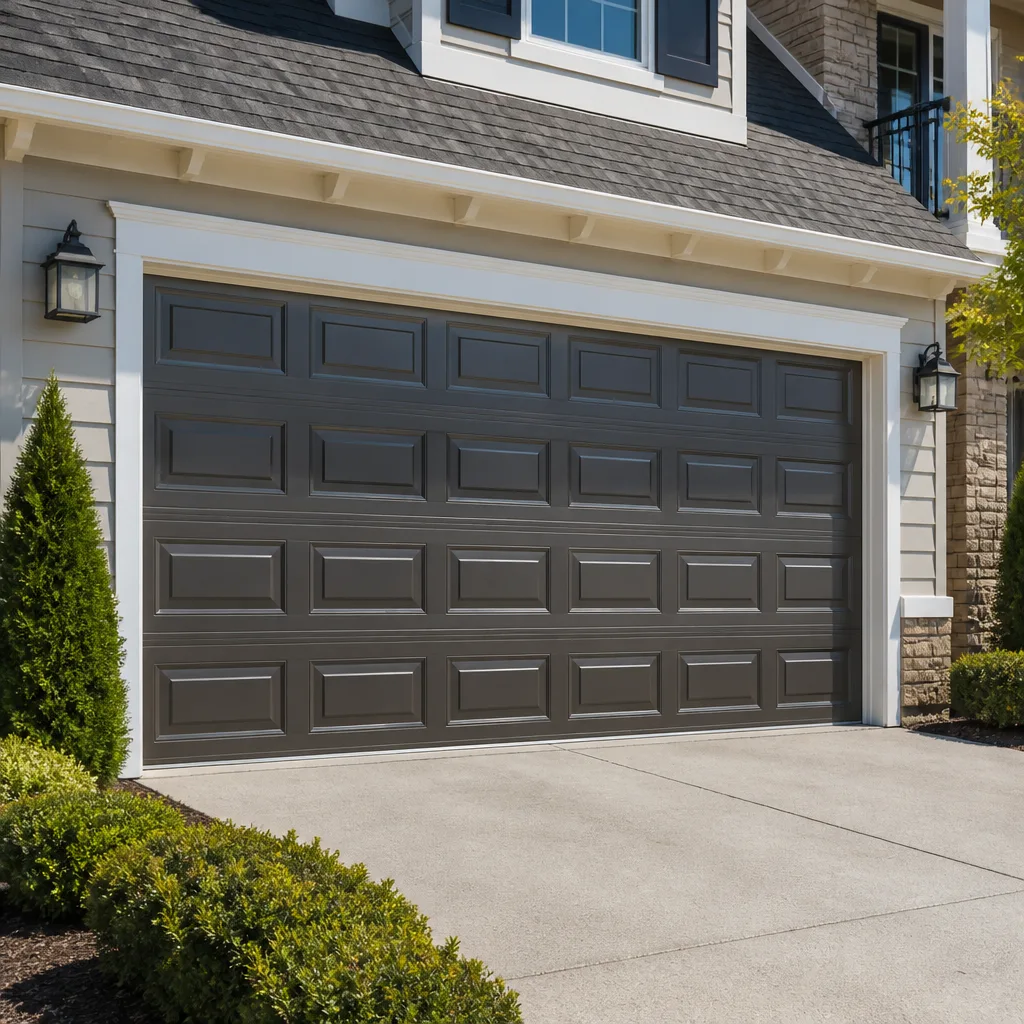 Raised-panel steel
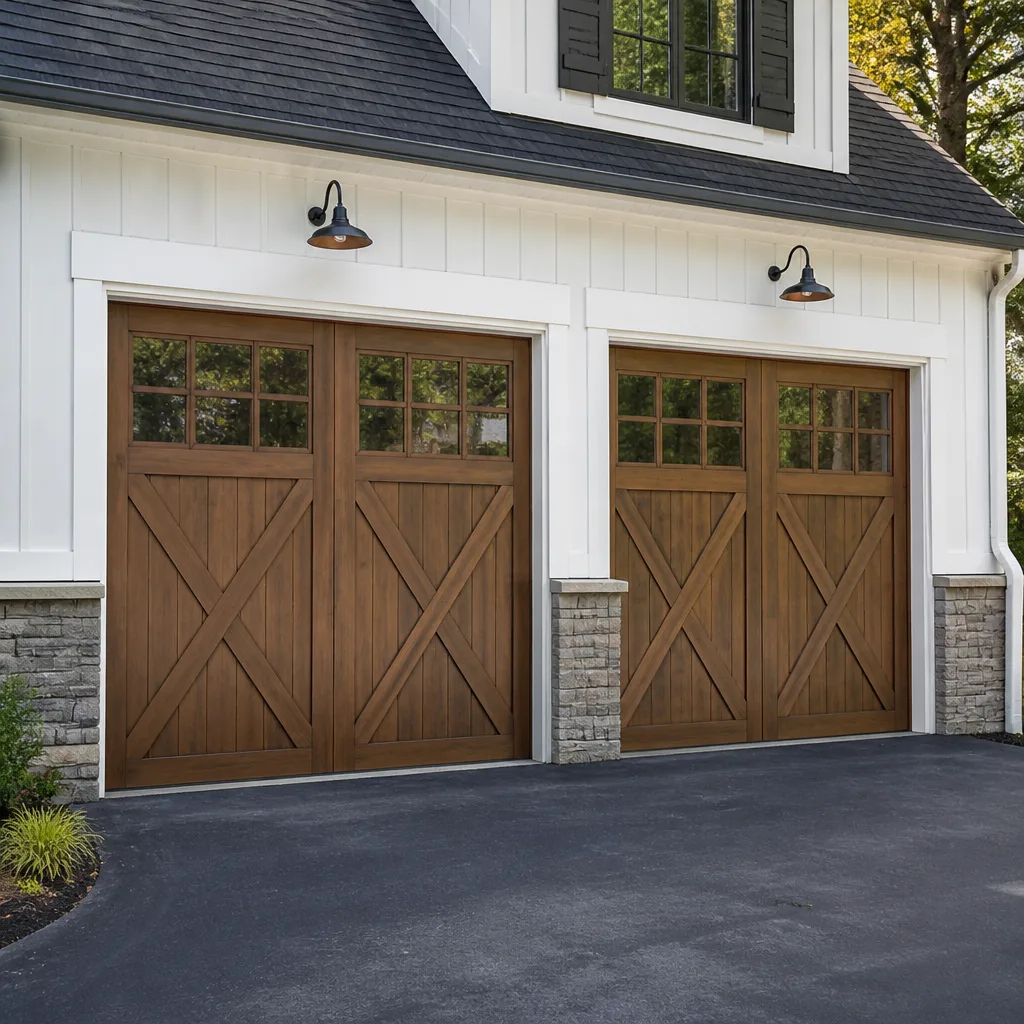 Carriage house
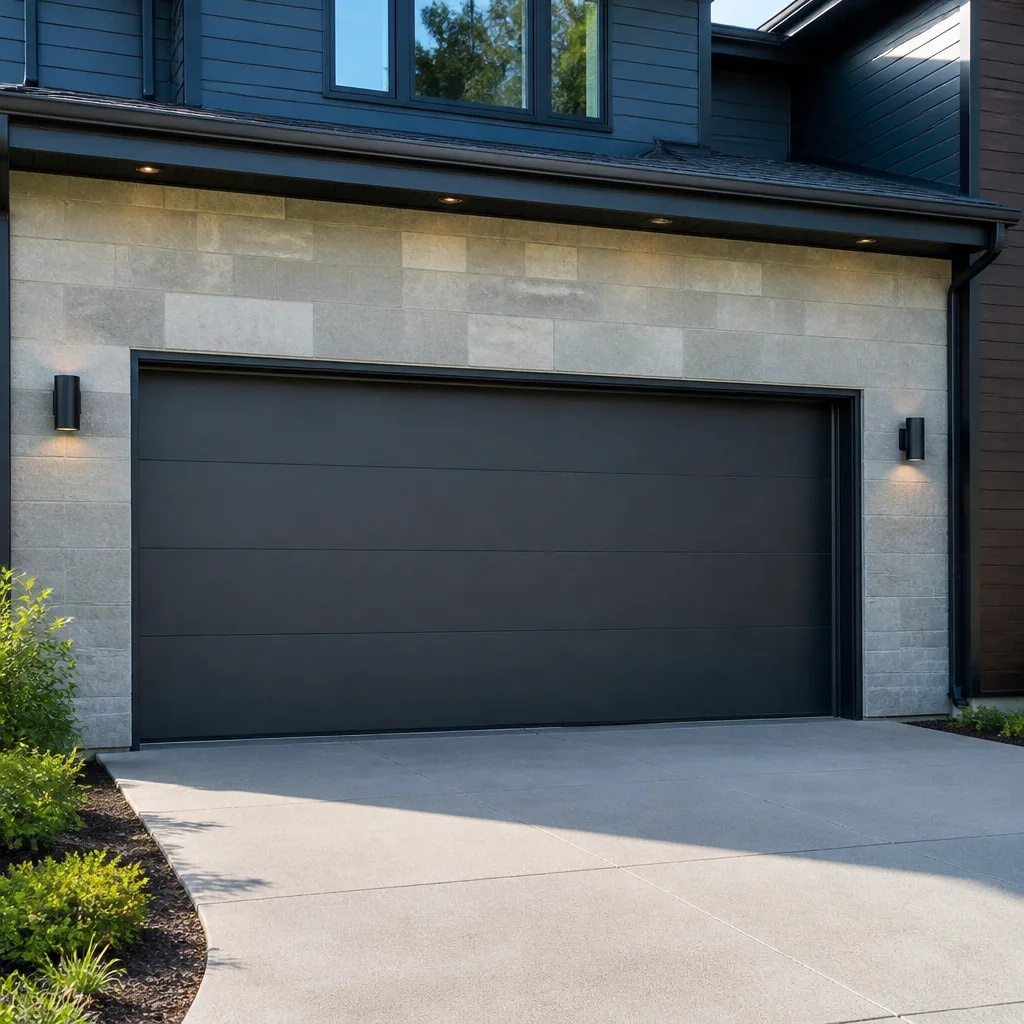 Modern flush
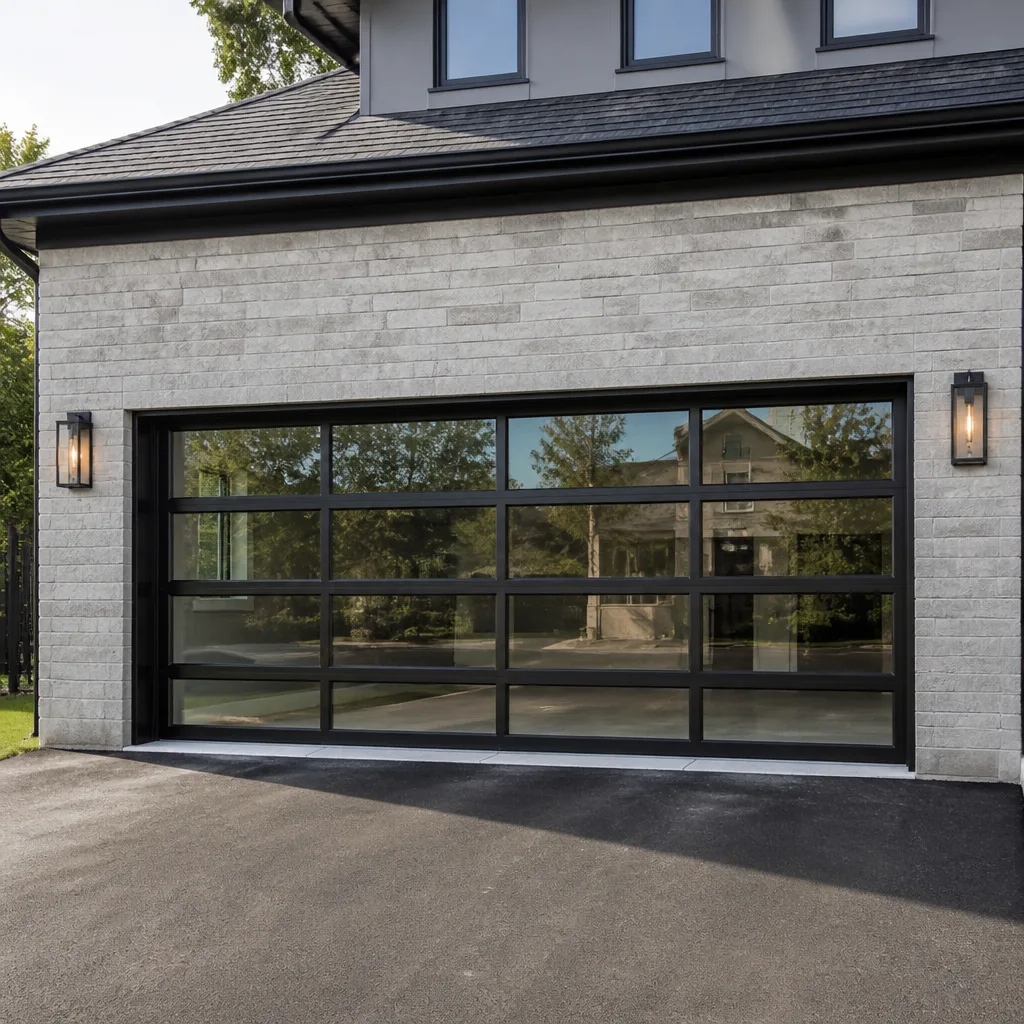 Full-view glass
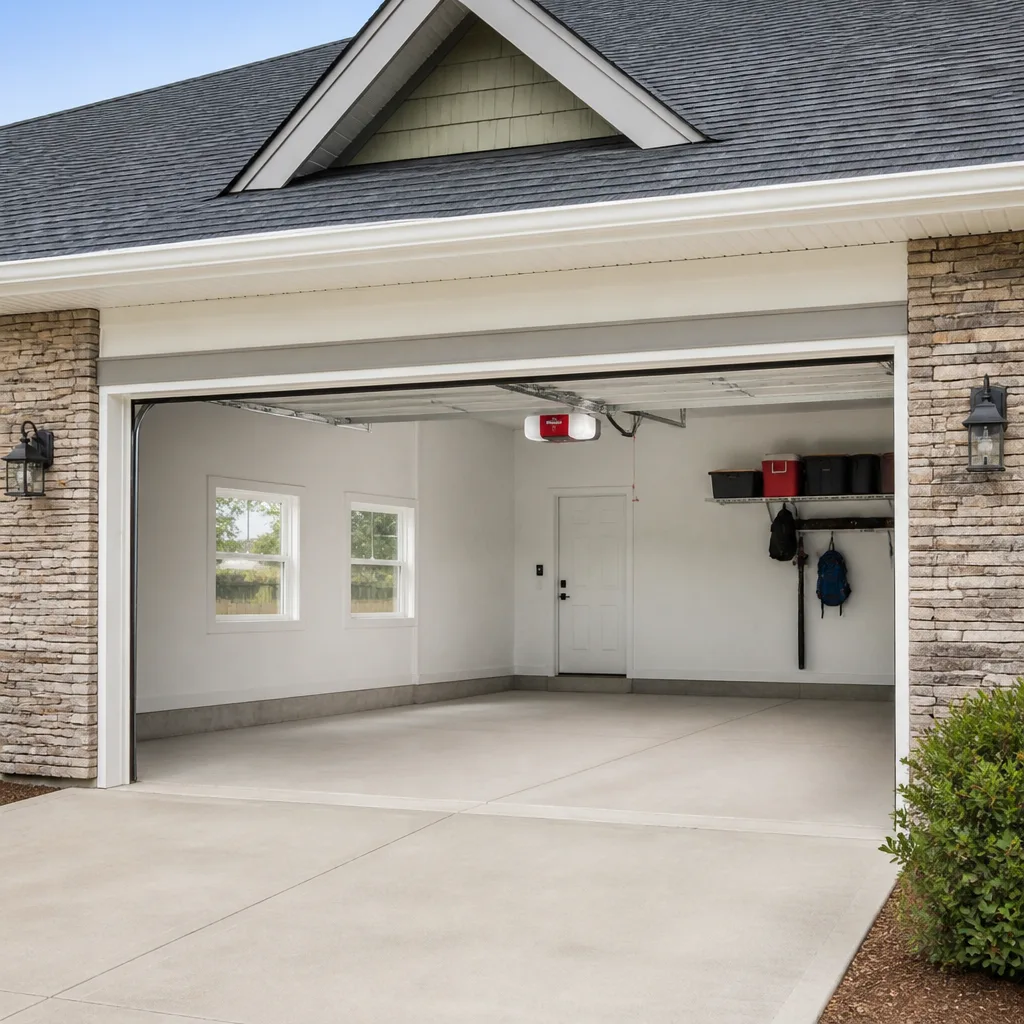 LiftMaster openers
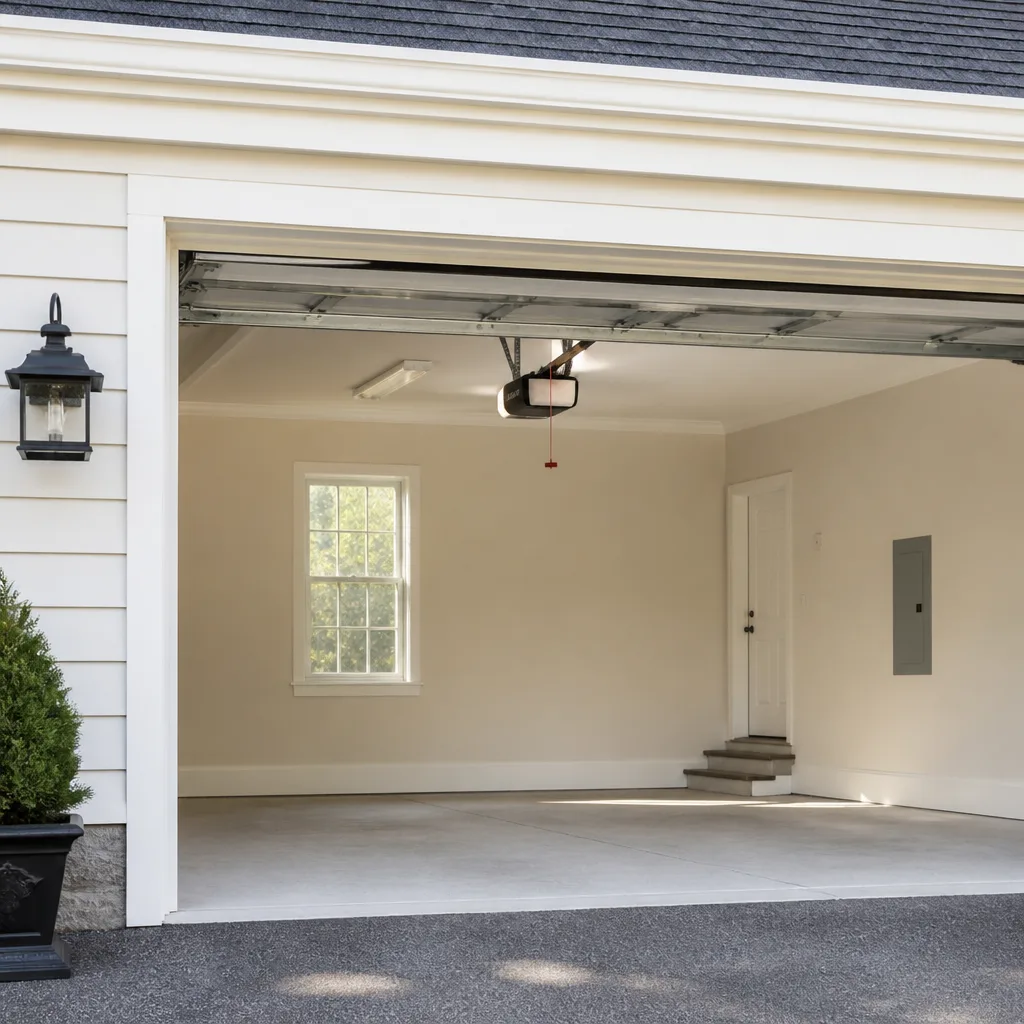 Chamberlain openers
Full 25-point door and opener safety check with every visit - springs, cables, rollers, tracks, and your LiftMaster or Chamberlain opener included
You get a price before we start. It does not change when the pro arrives.
Get your free estimateThe Complete Guide to Garage Doors in Meadow Hills
Most garage door advice you’ll find online was written for a national audience, and it quietly assumes sea-level air and mild winters. Neither describes Meadow Hills. At this elevation, the lubricant in your opener rail and rollers can thicken and stop protecting moving parts long before the manufacturer’s service interval suggests, and the freeze-thaw swing between a sunny afternoon and a clear night works on spring tension in ways a flatland install never has to account for. That gap between generic guidance and local reality is where money gets spent unnecessarily. This guide replaces the guesswork with place-specific knowledge: how altitude and temperature swings affect your system, which materials survive here, what local HOAs expect, how to read a spec sheet, and when a repair genuinely beats a replacement.
Quick Answer
A garage door in Meadow Hills needs three things a lower-elevation door doesn’t: lubricant checked against cold and altitude rather than the calendar, spring tension calibrated for real local temperature swings, and a material and R-value choice matched to how your garage is built and used. Most doors here last their full service life when those three are handled, and most premature failures trace back to one of them being ignored. Repairs still make sense in most cases, but the replacement math genuinely flips when panels, hardware, and an aging opener all fail together.
Styles & brands we work with
- Raised-panel steel
- Carriage house
- Modern flush
- Full-view glass
- LiftMaster openers
- Chamberlain openers
Table of Contents
- Why Altitude and Freeze-Thaw Change Your Garage Door’s Behavior
- Which Door Materials Hold Up in Meadow Hills
- HOA Rules on Door Style, Color, and Windows
- How to Read a Garage Door Spec Sheet
- Spring Tension: The One Repair You Should Never Do Yourself
- Openers, Brands, and What Fits Your Door
- Repair or Replace: The Real Math
- The Full Service Cycle: Diagnosis, Repair, Parts, Install
Why Altitude and Freeze-Thaw Change Your Garage Door’s Behavior
Garage doors are balanced systems. The springs carry the door’s weight so the opener only has to push and pull, not lift. That balance depends on the spring’s tension, and tension responds to temperature. In Meadow Hills, a door that’s perfectly balanced on a warm afternoon can feel noticeably heavier on a cold morning, and the reverse happens as the day warms. Over a season of freeze-thaw cycles, that back-and-forth acts on the springs, the cables, and the hinges in a way a stable climate never tests them.
Altitude adds its own wrinkle. Standard lubricants formulated for moderate conditions can thicken more than expected in cold and thin air, so rollers, hinges, and the opener’s screw or belt drive can run dry and stiff well before the recommended service interval. A door that sounds like it’s working harder isn’t imagining it.
What this means in practice:
- Listen for changes with the seasons. A door that gets louder or slower as temperatures drop is telling you something needs attention.
- Check balance, not just noise. If the door won’t stay put when you lift it partway by hand, the springs are carrying the wrong load.
- Don’t judge spring health by the calendar. Manufacturer intervals assume a steady climate. Here, spring performance depends on real temperature swings and how often the door cycles.
- Treat lubrication as seasonal maintenance, not an afterthought. The right lubricant, applied before the cold settles in, protects moving parts through the worst of it.
If your door is already straining or binding, that’s a sign to get it looked at rather than wait for a failure. Our technicians have up to 10 years of experience reading exactly these altitude-driven symptoms, and they don’t default to a full replacement when a calibration and lubrication bring the system back into balance.
The balance test you can do yourself
With the door closed and the opener disconnected, lift the door about halfway by hand and let go. A well-balanced door holds roughly in place. One that drops fast or shoots up has a spring problem, and that’s the point to stop and call. Do not attempt to adjust the springs yourself; more on that below.
Which Door Materials Hold Up in Meadow Hills
UV exposure and snow load pattern are the two forces a door faces here, and different materials handle them very differently. Steel is the most common choice for good reason: it’s affordable, it takes a finish well, and modern steel doors come in gauges that hold up to real weather. The gauge matters more than the label. A heavier gauge resists dents and holds its shape under snow load better than a thin one, and the insulation behind the steel face determines how well it keeps the garage stable.
Here’s how the main options compare for this climate:
- Steel (heavier gauge): The practical default. Resists dents, handles snow load, and with a factory finish it holds up to strong sun. Look at gauge and insulation, not just color.
- Composite and composite-over-steel: Good UV resistance and won’t rust, though lighter options can flex. Worth considering when appearance matters as much as durability.
- Wood and wood-look: Beautiful, but the most maintenance-sensitive in a climate with real temperature swings. Requires consistent sealing and refinishing to keep moisture out and the finish intact.
For the front of the house, appearance drives the choice. We work with Clopay and Amarr doors, both of which offer steel and composite lines in styles that fit Meadow Hills homes without a custom order delay. For a door that has to survive a hard-working attached garage, we tend toward heavier steel and a solid insulation package. For a detached garage that isn’t conditioned, the material question is about weather resistance and weight more than R-value.
Snow load and the door you can’t see
Snow load is usually a roof concern, but it affects your garage by way of temperature and moisture. A garage that stays cold and damp through winter accelerates wear on hinges and rollers. Insulating the door helps stabilize that interior, which is one more argument for paying attention to the R-value discussion below.
HOA Rules on Door Style, Color, and Windows
Meadow Hills developments vary, and the rules that bind one neighborhood don’t necessarily apply in the next. What’s consistent is this: many planned communities restrict door style, color, and window configuration, and homeowners who order a door without checking first end up paying to correct it. The fix is simple and cheap. Ask before you buy.
A practical sequence before any replacement:
- Request your HOA’s architectural guidelines. Ask specifically about garage door style, color palettes, and whether windows are permitted or restricted.
- Check whether approval is required before installation. Many associations want a submission and sign-off, and doing the work first can trigger a correction.
- Match the style to the neighborhood’s established look. Raised panels, carriage style, and window rows each read differently, and what fits one street may not fit another.
- Confirm with your city’s building department on permit requirements. Most municipalities require a permit for a door replacement, so ask yours directly rather than assuming.
- Get the approval in writing before the door is ordered. Lead times on a factory order mean you don’t want to discover a problem after it’s manufactured.
Because we work across the brands most often specified in these guidelines, we can usually match the style and color a Meadow Hills HOA requires without steering you to a custom build. That’s the advantage of a single-trade specialist: the door you want and the door the rules allow are often the same door, and we know where the overlap is.
Windows are the most common snag
Window rows are the detail most often restricted, because they change the street face of the house more than color alone. If your HOA restricts windows, plan the panel layout around that from the start rather than retrofitting.
How to Read a Garage Door Spec Sheet
A spec sheet tells you what a door is actually made of, and most homeowners skip straight to the color. Don’t. Four numbers and terms carry the real information, and reading them takes five minutes.
- Steel gauge. Lower numbers mean thicker steel. Thicker steel resists dents and holds its shape under load. This is the first thing to compare.
- R-value. The insulation rating. Higher means better resistance to heat transfer. Match it to your garage type, not to the biggest number on the page.
- Insulation type. Polyurethane generally outperforms polystyrene at the same thickness. The spec sheet will tell you which you’re getting.
- Section construction. Two-inch vs. thinner sections, and whether the insulation is bonded or inserts, affect both R-value and how rigid the door feels.
Then match R-value to your situation. An attached garage shares walls with your living space, so a higher R-value helps stabilize the rooms above and beside it, especially through a cold Meadow Hills winter. A detached, unconditioned garage doesn’t benefit the same way; there, you’re better off putting money into a heavier gauge and a weather-resistant finish than into insulation you won’t feel. We’ll walk through this match with you during a free measure rather than push the highest rating on the sheet.
What the R-value conversation usually gets wrong
Insulation value matters most when the garage is part of the conditioned envelope. In a detached garage, the priority is a door that seals well and resists moisture. If a quote leads with R-value and says nothing about your garage type, ask why.
Spring Tension: The One Repair You Should Never Do Yourself
Garage door springs are under extreme tension, and a spring or cable that lets go can cause serious injury. This is the single most dangerous part of the whole system, and it’s also the repair most often mishandled by generalists who treat a garage door as a side job. In Meadow Hills, where freeze-thaw swings work the springs harder, keeping tension calibrated correctly matters even more.
What a specialist checks and adjusts:
- Spring condition and age. Springs are rated by cycle count, not years. Local temperature swings affect how the metal fatigues.
- Balance and travel. The door should be balanced through its full arc, not just at the top.
- Cables and drums. Worn cables and misaligned drums undo a correct spring adjustment.
- Safety hardware. The system is only as safe as its cable, drum, and bracket condition.
We treat spring repair as a core service, not an add-on. A matched pair of springs is usually replaced together because both have seen the same cycles and the same temperature swings, so replacing one and leaving the other is a short-term fix. If spring noise or difficulty is what brought you to this page, the fastest route to a straight answer is garage door repair with a free estimate. The price is quoted and agreed before any work starts, and we’ll tell you if the spring is fine and something else is the problem.
The safety caveat, stated plainly
Don’t unwind, loosen, or attempt to swap a torsion or extension spring yourself. The stored energy is enough to break bones. If you hear a loud bang from the garage and the door won’t lift, the spring has likely failed. Leave the door closed and call a trained professional.
Openers, Brands, and What Fits Your Door
An opener is a motor matched to a door’s balance, not a separate appliance. A door that’s out of balance overworks the opener and shortens its life, which is why diagnosis comes before replacement. The two systems we see most in Meadow Hills residential garages are LiftMaster and Chamberlain, and our technicians are trained on both rather than “familiar with” them. We also handle Genie, Craftsman, and Raynor openers, along with Clopay, Amarr, and Wayne Dalton doors. If you already own one of these, we fix what you have rather than steering you to a new system.
Common opener problems and what they usually mean:
- Door goes up partway and reverses. Often a force setting, travel limit, or safety sensor issue. Sometimes a binding door.
- Opener runs but the door doesn’t move. Usually a stripped gear, a broken spring, or a disconnected trolley. Diagnosis matters here.
- Remote or keypad stops working. Frequency interference, a dead battery, or a logic board issue depending on the brand.
- Motor strains or hums. The door’s balance is the first suspect, not the motor.
A properly balanced door is what makes any opener last, so our diagnostic path starts with the door and works toward the motor. That order saves homeowners from replacing a good opener to solve a spring problem. When you need a specialist, garage door opener repair gets you a free estimate and a price agreed up front.
When a smart opener makes sense
Modern openers add phone control and quieter operation, which is genuinely useful for a household that comes and goes through the garage all day. But an upgraded opener won’t fix an unbalanced door. Get the door right first, then decide whether the motor needs replacing.
Repair or Replace: The Real Math
This is where generic advice does the most damage. National blogs lean toward replacement because it’s simpler to recommend. In practice, most garage door problems in Meadow Hills are repairable, and replacement only makes clear financial sense when several parts fail together or the door is structurally compromised.
A useful way to frame the decision:
- One failed component. Repair it. A spring, a cable, a roller set, or an opener board is a targeted fix that restores the whole system.
- Multiple wear items together plus an aging opener. The math starts to favor replacement. You’re paying for many repairs that overlap in time.
- Structural damage to panels or the frame. Repair may not be safe or lasting. Replacement is the honest answer.
- The door is unbalanced and dented and the opener is straining. Diagnosis first, then a clear repair-versus-replace comparison.
What we won’t do is quote a replacement you don’t need. Our approach is to diagnose, explain what’s worn, and lay out both paths with a written price on each. Then you decide. If replacement is the right call, we handle the measure, the brand match, and the install – and because the door you choose may need an HOA approval and a factory lead time, we don’t pretend that’s a same-day job.
What a replacement actually involves
Replacement starts with a free measure and a written price, then brand and style selection, then the install. That’s a scheduled project, not an emergency repair, and planning it that way avoids surprises. When the project is a full installation, garage door installation covers the measure, the price, and the fit to your opening.
The Full Service Cycle: Diagnosis, Repair, Parts, Install
Garage doors fail in a sequence, and understanding that sequence is how you save money. It starts with a symptom you can hear and ends, only sometimes, with a new door. A single-trade specialist covers the whole path, while a generalist tends to jump straight from symptom to replacement.
Here’s the cycle, in order:
- Diagnosis. Separate the door problem from the opener problem. Balance, springs, cables, rollers, tracks, and safety hardware all get checked.
- Repair. Fix the actual failing part. Springs, openers, cables, and rollers are all common repairs for us – not a reluctant add-on.
- Parts. If a genuine component is needed, we can source it directly rather than wait on a third-party supplier. That shortens the gap between diagnosis and getting your door working.
- Preventive care. Lubrication, balance checks, and safety hardware review keep the door working through Meadow Hills’ temperature swings.
- Install. If replacement is the right call, a measured, scheduled installation follows, matched to your opening, your garage type, and your HOA’s guidelines.
Because garage doors are all we do, every technician you deal with is a garage door technician, not a generalist dispatched to a garage door call. That focus is why we can be honest about when a repair is sufficient. It’s also why we keep the parts path in-house: waiting on a supplier is the most common reason a simple repair becomes a multi-visit job.
Common Mistakes to Avoid
- Following a national service interval in a high-altitude climate. Manufacturer schedules assume steady conditions. In Meadow Hills, check lubrication and balance against real seasonal performance instead.
- Judging a door by noise alone. A louder door in winter may just be stiff lubricant. Test balance before assuming the springs are failing.
- Ordering a door before checking HOA guidelines. Style, color, and window restrictions vary by development. Get approval in writing, then order.
- Buying the highest R-value without matching your garage type. An attached garage benefits; a detached one doesn’t the same way. Match insulation to how the garage is used.
- Replacing a good opener to solve a door problem. An unbalanced door overworks any opener. Diagnose the door first.
- Replacing one spring of a pair. Both have seen the same cycles and temperature swings. A matched pair is the reliable fix.
- Attempting spring work yourself. The stored tension is dangerous. This is a job for a trained garage door technician, always.
See the difference
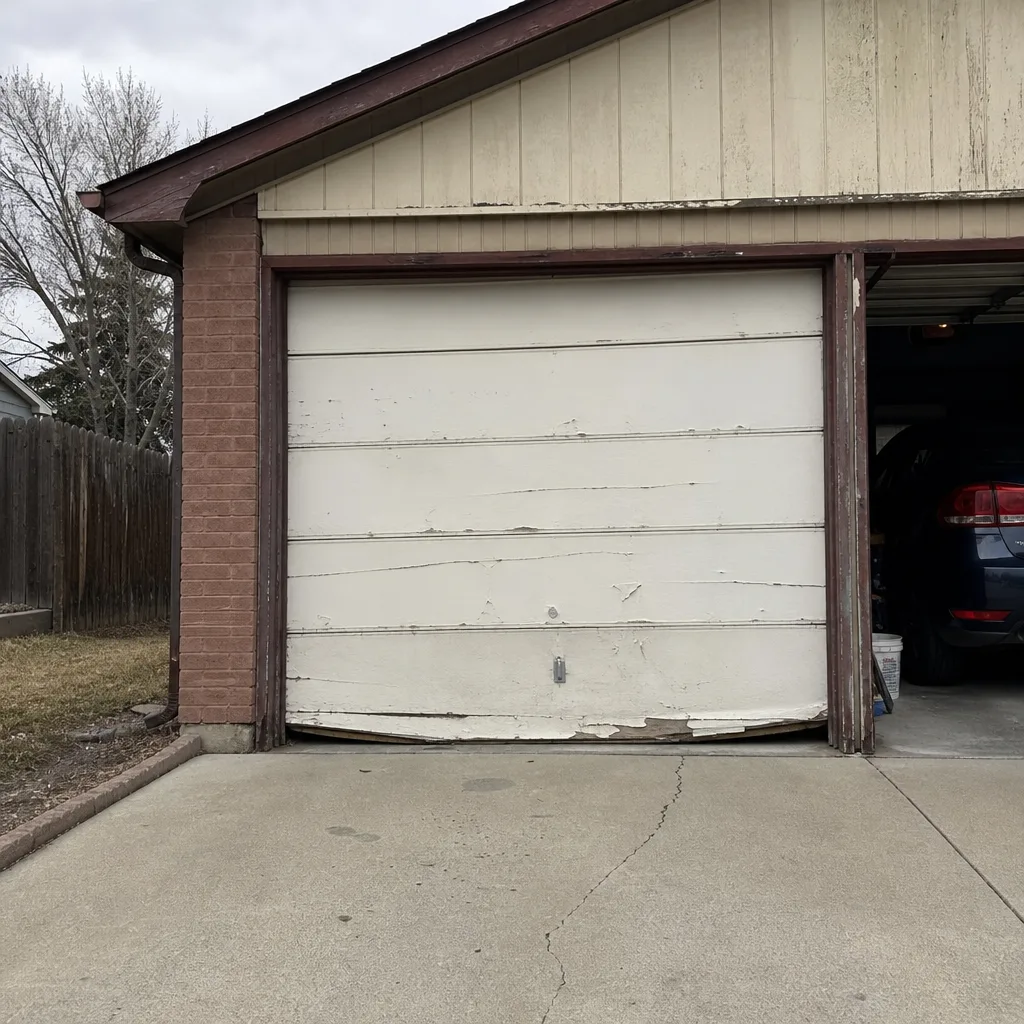 Before
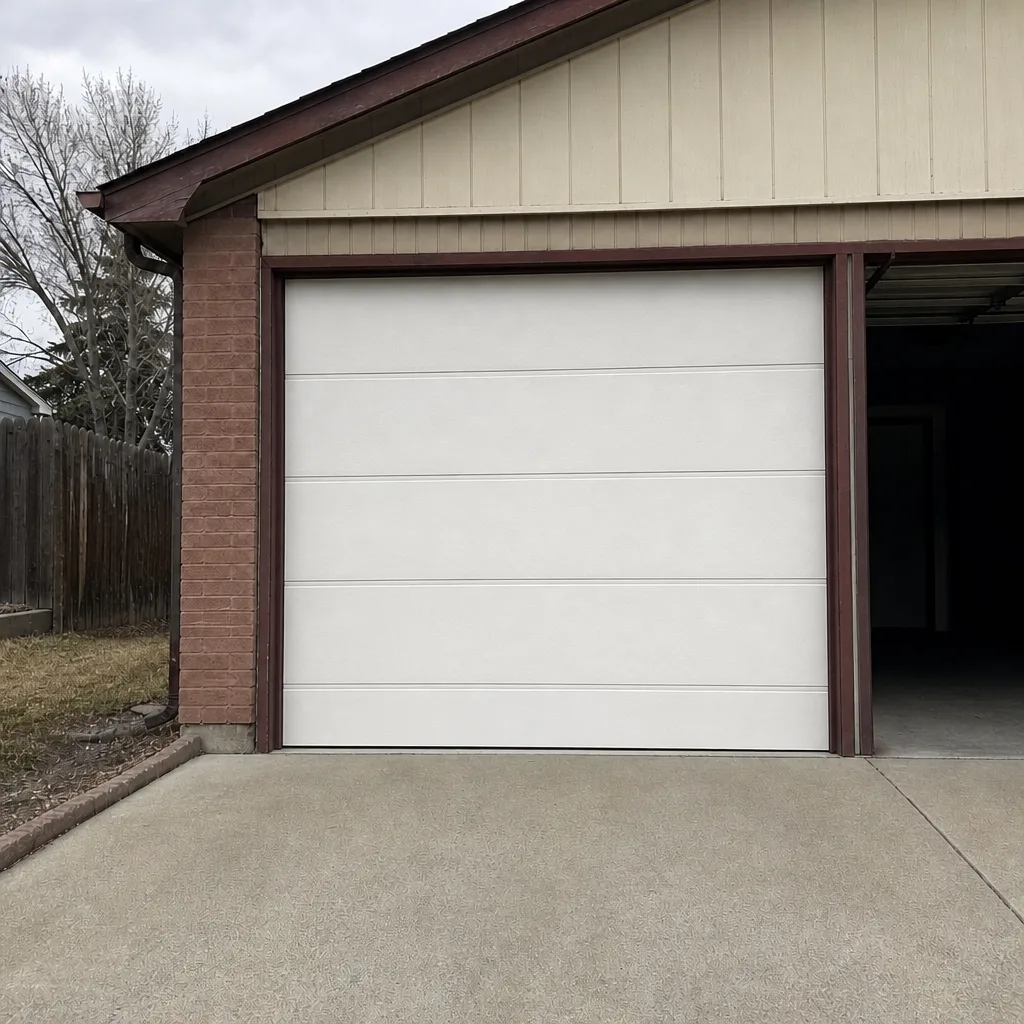 After
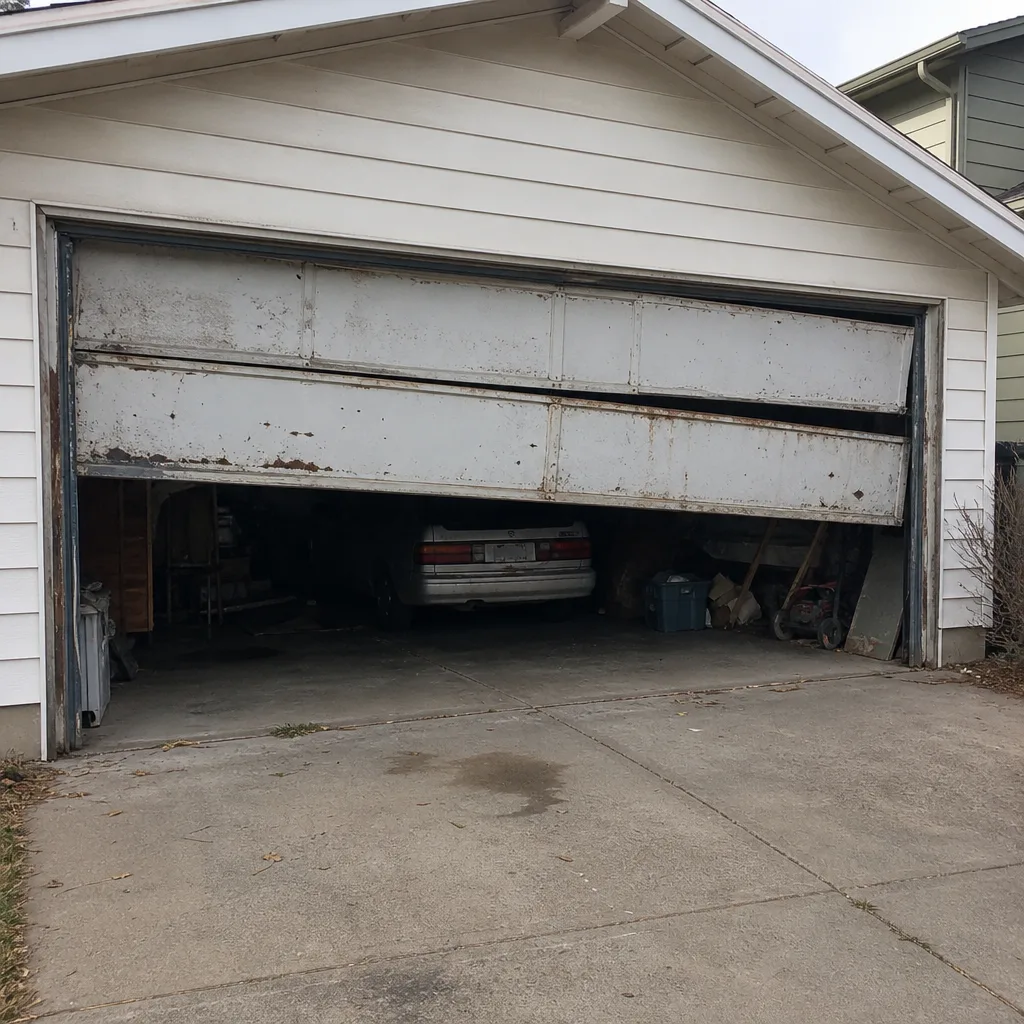 Before
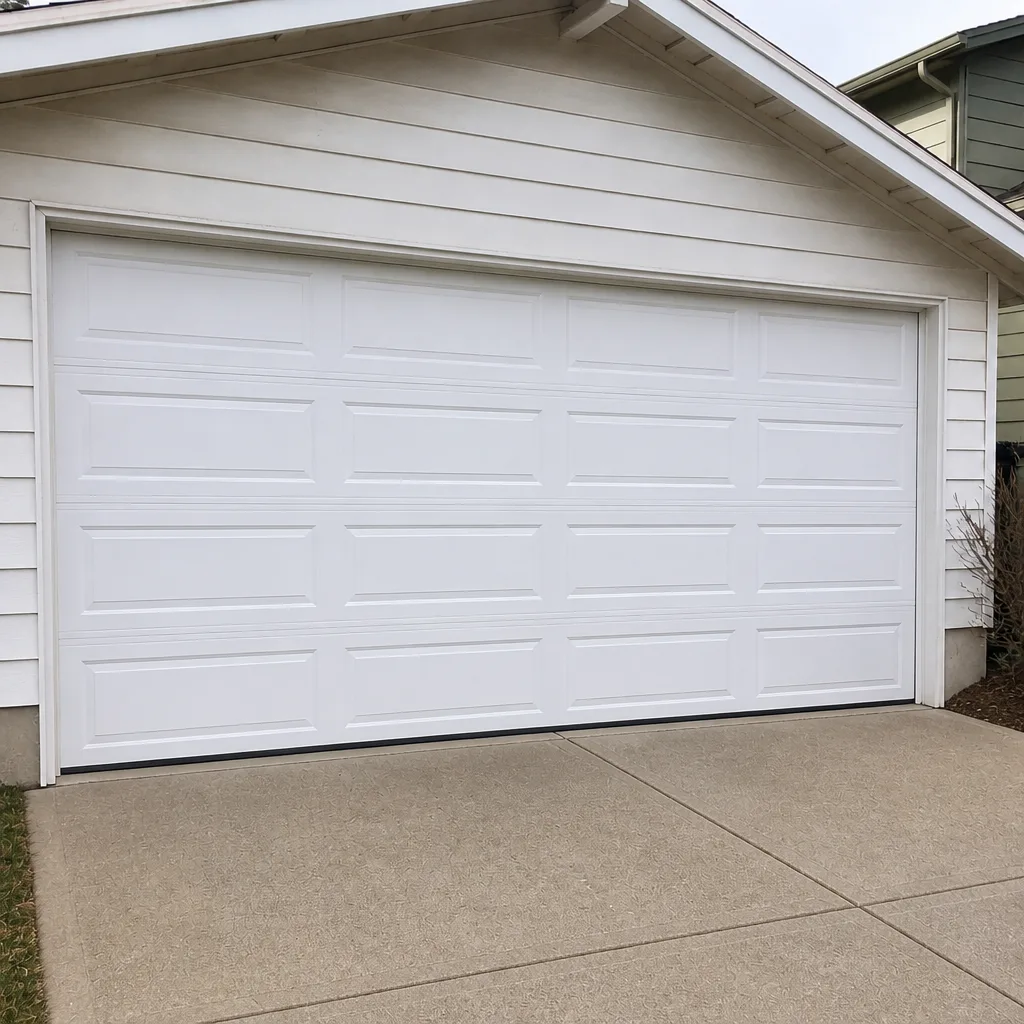 After
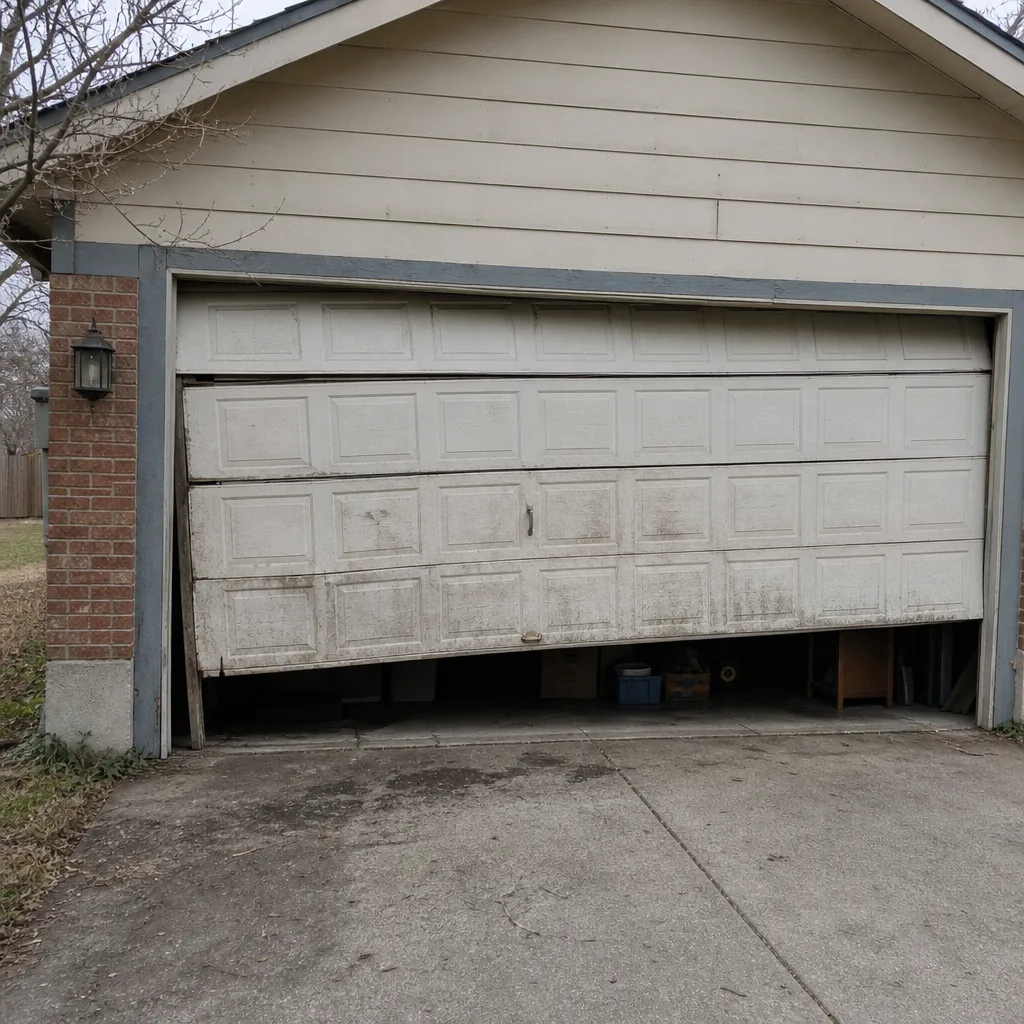 Before
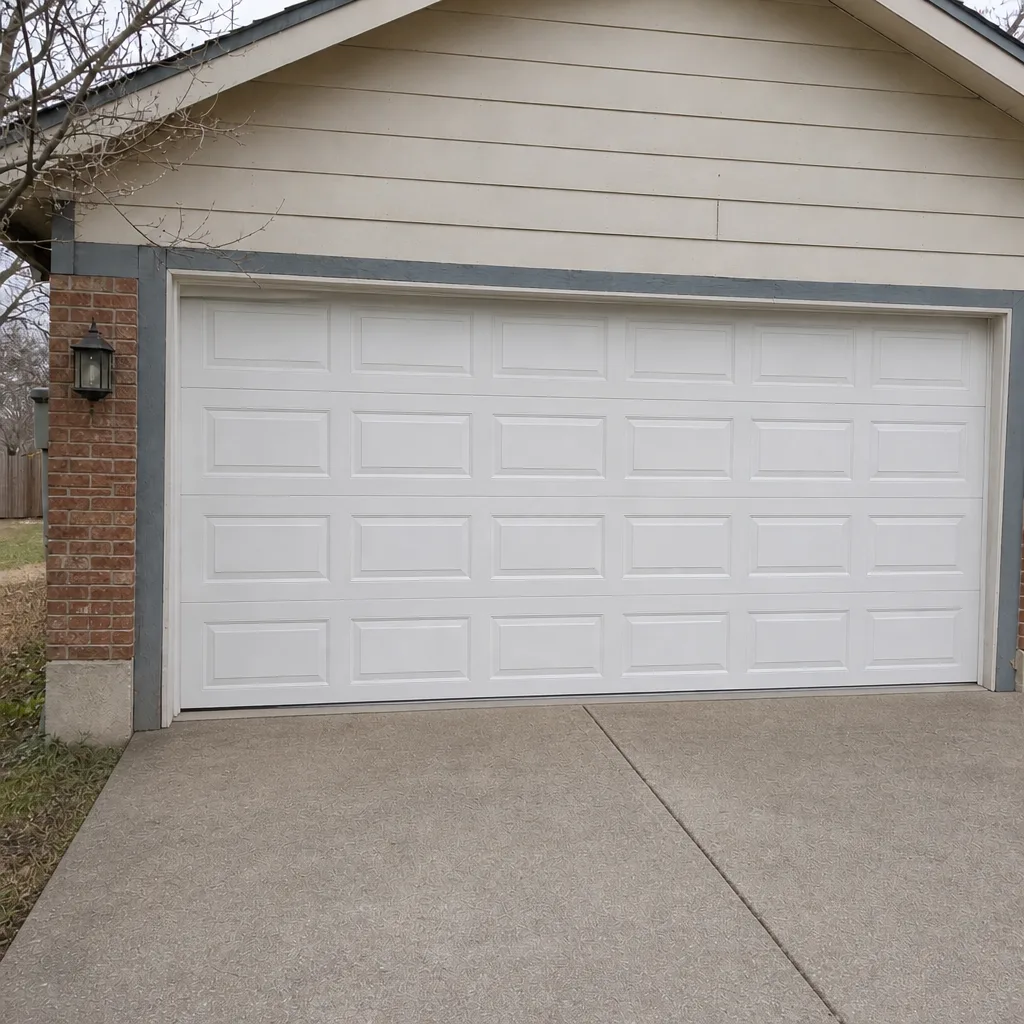 After
When to Call a Professional
Call a garage door specialist when the door won’t lift, won’t stay balanced, or reverses partway up; when you hear a sharp bang from the garage and the door stops working; when the opener strains or hums without moving the door; or when a cable looks frayed or a hinge is pulling loose. Any spring work should always go to a trained technician. For multi-panel damage, an aging system that keeps needing repairs, or a planned replacement on a renovation project, a free measure and a written price is the right first step. Garage Door Repair Meadow Hills offers free estimates in Meadow Hills – call (855) 337-1334. We answer 24/7. Fast dispatch from 7am to 7pm, Sunday through Friday.
Frequently Asked Questions
The door’s balance is the first thing to test, and it tells you most of the answer. Disconnect the opener and lift the door partway by hand; if it won’t hold, the problem is the door or springs, not the motor. An unbalanced door overworks any opener, so diagnosing the door first prevents replacing a good motor. If the door balances but the opener hums or strains, the opener’s the likely culprit. Call (855) 337-1334 for a free estimate either way.
Temperature affects spring tension and lubricant, and both change how the door feels and sounds. In Meadow Hills, the freeze-thaw swing between sunny afternoons and clear nights means a door balanced on a warm day can feel heavier on a cold morning. Standard lubricants can also thicken in the cold and stop protecting rollers and hinges. A seasonal check on balance and lubrication is the practical answer, and it’s a free estimate to get one.
Garage door repairs are priced per job by a written estimate, so the honest answer is that it depends on what’s failing. A single spring, a set of rollers, or an opener board each carries a different cost, and a single visit may fix more than one item. We quote and agree the price before any work starts, so you know the number before we pick up a tool. Call (855) 337-1334 for an exact quote – estimates are free.
Yes, and we start by checking the guidelines with you before a door is ordered. We work with Clopay and Amarr doors, both of which come in the steel and composite styles most Meadow Hills HOAs specify, so the approved door and the door you want are usually the same. Get the HOA sign-off in writing first, then we measure, quote, and schedule the install. Call (855) 337-1334 for a free measure and written price.
An attached garage benefits from a higher R-value because it shares walls with your living space; a detached, unconditioned garage doesn’t gain the same way. Match the insulation to how the garage is used, and put the difference into a heavier steel gauge and a weather-resistant finish if the garage is detached. We’ll walk through the match during a free measure rather than push a number you won’t feel.
In most cases, yes. We service LiftMaster, Chamberlain, Genie, Clopay, Amarr, Wayne Dalton, Craftsman, and Raynor equipment, which covers the brands found in most Meadow Hills homes. Our technicians are trained on these systems, so we diagnose and repair what you already own rather than defaulting to replacement. Call (855) 337-1334 with your brand and we’ll confirm before scheduling.
The Bottom Line
Meadow Hills’ altitude and temperature swings ask more of a garage door than generic advice accounts for, and the fixes are practical: check balance and lubrication against real seasonal performance, match material and R-value to your garage type, get HOA approval before ordering, and never touch the springs yourself. Most problems are repairable, and replacement earns its cost only when multiple parts fail together or the door is compromised. A single-trade specialist can tell the difference, with the price quoted and agreed before any work starts. For a free estimate in Meadow Hills, call (855) 337-1334. We answer 24/7. Fast dispatch from 7am to 7pm, Sunday through Friday.
Written by the team at Garage Door Repair Meadow Hills.