
Top Signs You Need Garage Door Service – Don’t Ignore These
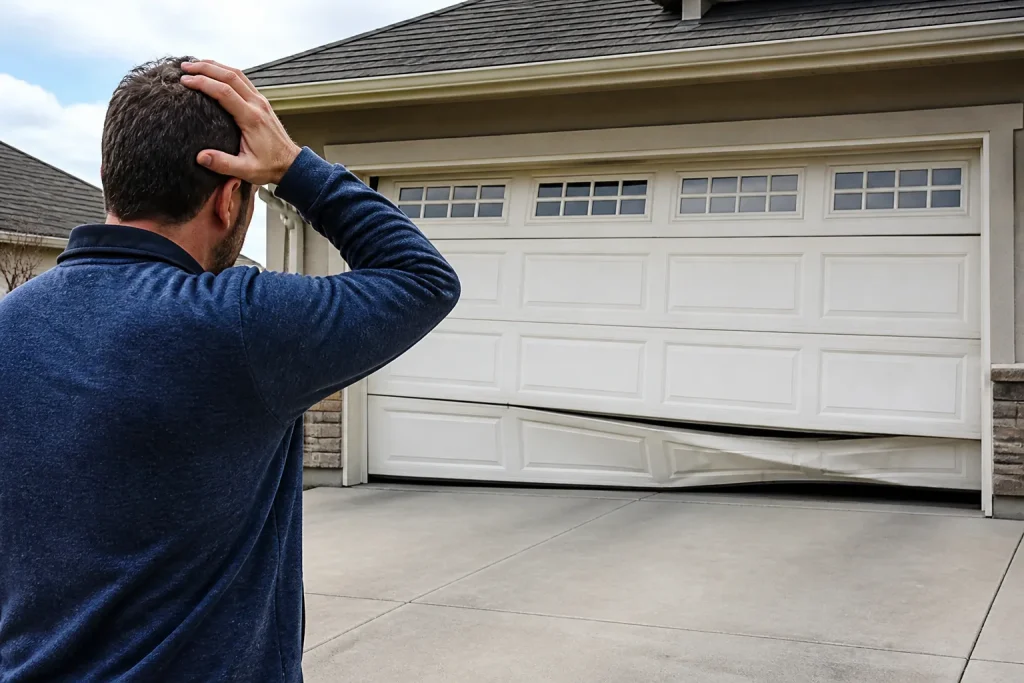
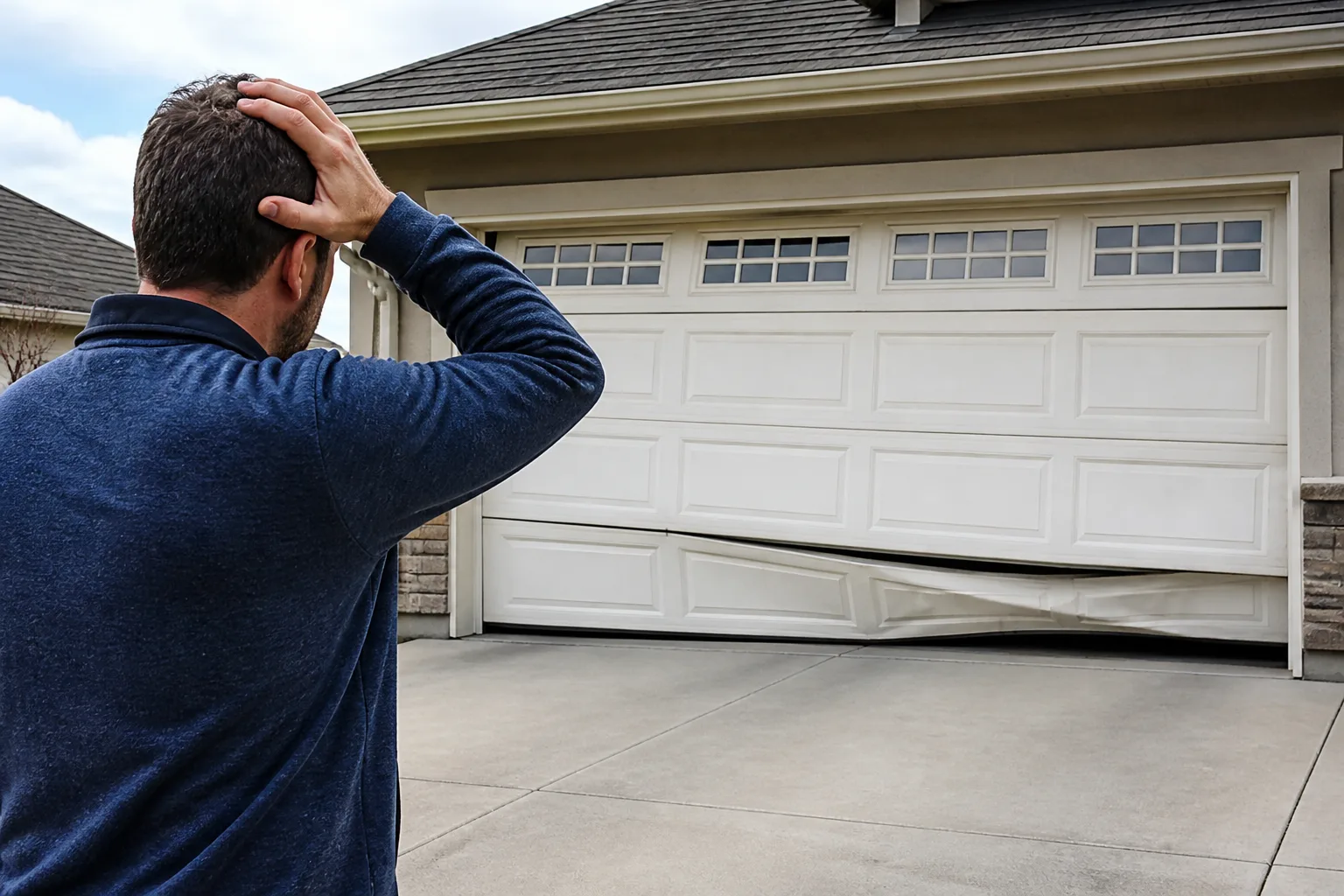
Most garage door failures give you weeks of warning before they happen. The trouble is the warnings are quiet: a small gap at the bottom on one side, a door that lifts a little faster on the left than the right, a sound that’s slightly different from last month’s slightly different sound. A door that’s about to drop a cable doesn’t announce it with a bang. It shows you first. If you’d rather have a trained eye look before something fails in your driveway, call (855) 337-1334.
Key Takeaways
- Subtle mechanical tells – cable gaps, uneven travel, early sound changes – show up weeks before a failure and are the signs worth acting on.
- Uneven movement is more urgent than a grinding noise, not less. It usually points to a cable or a spring losing tension.
- Specific sounds map to specific problems. Popping, grinding and scraping each mean something different.
- Seasonal temperature swings around Meadow Hills put predictable stress on springs and tracks, creating failure windows you can plan around.
- Opener hesitation, reversal and slower travel are motor and force-setting warnings, not annoyances to live with.
Why the Noisy Signs Are the Late Ones
The lists most people find go straight to the obvious stuff. A door that shrieks like a gull, a door that won’t open, a door that slams down. But by the time your door is loud enough to bother the neighbors, something has usually been running out of adjustment for a while. The noise is the end of the story, not the first sentence.
Think of how a spring fails. A torsion spring under load doesn’t snap without warning. It loses tension gradually. The door gets heavier to lift. Your opener works harder and runs a bit longer. Then, often on a cold morning, it gives. Catching that early tension loss – by feel and by ear – is the difference between a planned spring replacement and a door stuck three feet off the ground.
So this list is ordered by what shows up early, not what’s loudest. In our experience, homeowners who learn the early tells schedule work before a failure. Homeowners who wait for the bang get the emergency call. Same door, two very different experiences. Garage doors are all we do, and watching for these tells is most of what we look for on a first visit.
The 90-Second Monthly Walkaround That Catches Problems Early
You don’t need tools or a ladder. You need about a minute and a half each month, and you need to look at three things: cables, springs and rollers. Do this walkaround before you pull out of the driveway, with the door closed.
- Cables. Look at both sides of the door where the cables run. The cables should sit evenly, without slack or frayed fibers. Look for a cable that’s come off a drum or sits loose at the bottom corner. A slack or off-track cable is a stop-using-the-door sign.
- Springs. Look at the spring above the door, and don’t touch it. A healthy torsion spring looks whole. A break usually shows as a visible gap in the coil. If you see a gap, stop and call a professional.
- Rollers and hinges. Look at the rollers inside the track. They should be round and spin. A roller worn flat or a hinge that’s bent is cheap to fix now and a seized track later.
- The bottom seal. Check the gap at the bottom. A consistent gap says the door is off level or the seal has failed.
- The track. Look down each vertical track. It should be straight. Any bend or dent will force the door out of line as it travels.
None of these checks involve working on the door – they’re visual only. If a check turns up a problem, especially with a spring or a cable, that’s the moment to stop and call. Springs and cables are under high tension and can cause serious injury if handled by anyone untrained. When in doubt, leave it to a pro.
Uneven Door Movement Is More Urgent Than Grinding
This is the counterintuitive one. A grinding door is annoying, but it’s often just worn rollers or a dry track – a maintenance fix. A door that lifts unevenly, where one side rises faster than the other, is a more serious warning. If the left corner of your Meadow Hills door is two inches higher than the right by the time it’s halfway up, the door is being pulled out of alignment on every cycle. That means a cable is stretching, a drum has slipped, or one spring is carrying less of the load.
Under that load, the door can bind in the track, and a bound door stresses the opener, the hinges and the panels. The track can jump its roller, and the door can come down crooked. None of that is a small repair.
Uneven movement usually traces back to one of these:
- A cable that has stretched or come loose on one side.
- A broken or weakened spring on one side of a two-spring setup.
- Track damage that pulls the door toward the damaged side.
- A bent roller or hinge that drags on one corner.
If you see the tilt, stop using the door. It’s one of the clearest signs you need garage door repair before something fails. Call (855) 337-1334 and we’ll help you sort out whether it’s a cable, a spring or the track. We answer 24/7.
Sounds That Map to Specific Problems
“Loud is bad” isn’t specific enough to help. The sound your door makes points at what’s wrong. Listen next time you open it.
- Popping or a single sharp snap. A popping sound from the spring above the door often means a coil is binding or has broken. A snap followed by the door feeling suddenly heavy is the classic broken-spring moment. Don’t keep cycling the door.
- Grinding. Grinding along the track usually points to worn steel rollers or a dry, dirty track. Grinding from the opener head itself can mean a stripped gear inside the unit, which is common on older units. On a Genie or LiftMaster opener, a stripped gear is fixable and doesn’t always mean a new opener.
- Scraping. Scraping is the track talking. A bent track or a loose panel edge is dragging against the door. Left alone, it wears the panel and the roller.
- A rhythmic thump. Usually a worn, flat roller or a loose hinge, not a spring or cable issue. This one is worth fixing early but isn’t an emergency.
Sounds are a clue, not a diagnosis. But matching the sound to the part helps you know whether you’re looking at a small adjustment or a spring call. And that matters once you’re talking to a technician.
Why Colorado Seasons Create Predictable Failure Windows
Metal expands in the warm months and contracts when it’s cold. Every component on your door – springs, cables, tracks, panels – cycles with the temperature. That’s not a Meadow Hills-specific problem, but it does mean the door here sees real swings between a cold winter and a warm summer. Those swings put stress on the parts that hold tension.
The practical result: the same weeks tend to produce the same calls. The first sustained cold snap is a classic window for a spring that was already weak. A sudden warm-up after a long cold stretch can do the same thing in reverse. If your door has been quiet for a year and starts making a new noise in that first cold week, the door is telling you something.
That’s the reasoning behind preemptive service. A quick tune-up – tension check, track alignment, roller check, lubrication – ahead of the seasonal shift catches the weak part before it fails. In our experience with doors across Meadow Hills, a scheduled adjustment in the calm weeks prevents the stuck-door call in the first cold week. That’s the kind of call we’d rather you never have to make.
Opener Behavior Changes That Predict a Motor Failure
Openers don’t usually fail mid-cycle without a warning. The unit shows you first. Watch for these behavior changes, because each one points to the motor, the force settings or the safety sensors.
- Hesitation at the start. A short delay before the door moves can mean a worn or straining motor, or a force setting that’s out of range. It’s your opener compensating for a heavier door.
- Reversal. The door goes partway up or down, then reverses. That’s often the safety sensor or the force limit tripping because the door is binding or heavy. It’s a warning about the whole system, not just the opener.
- Slower travel. A door that moves more slowly than it did a year ago is usually fighting resistance – a dry track, a worn roller or a weakened spring. The opener slows down to compensate.
- Remote and wall control quirks. A remote that works only up close, or a wall button that needs a hard press, is usually a control or connection issue rather than a motor failure. On a Chamberlain or LiftMaster unit, these are straightforward diagnosis jobs.
If you want a trained look at the opener side, that’s the work we do at garage door opener repair. A unit that’s hesitating is fixable. A unit that’s failed is a replacement.
When to Call a Pro
Some fixes are hobby-level – a new roller, a wiped-down track, a little lubrication on the moving parts. But springs and cables are different. They’re under high tension, and a mistake can hurt you. That’s why spring work is one of the few jobs we advise homeowners not to take on themselves.
Call a professional for these:
- A visible break in the spring, or a popping or snapping sound at the spring.
- A slack, frayed or off-track cable.
- A door that lifts unevenly or won’t sit flat at the bottom.
- A door that has become heavy to lift by hand.
- Any opener reversal or hesitation that returns after a reset.
If you’re in Meadow Hills and see any of these, give us a call. We answer 24/7, with fast dispatch from 7am to 7pm, Sunday through Friday. Our technicians have up to 10 years of experience and work on the system you already have – Genie, Clopay, Amarr, Wayne Dalton and more – rather than pushing a replacement you don’t need.
Related services in Meadow Hills: if the door is beyond repair, take a look at garage door installation. And if a door is failing the walkaround above, our main Garage Door Repair Meadow Hills page covers the full range of what we handle.
The Bottom Line
The warning signs worth acting on are the quiet ones – a gap at the bottom, one side lifting faster than the other, a new sound, an opener that hesitates or reverses. Noise and slow operation are the late signals; the early ones give you weeks to plan. Do the 90-second walkaround once a month, listen to what your door is telling you, and treat any spring or cable warning as a stop-and-call.
If it’s time to get a trained set of eyes on the door, that’s what we do. A free estimate and a written price agreed before any work starts. If you’re in Meadow Hills and need help, Garage Door Repair Meadow Hills offers free estimates – call (855) 337-1334.
Frequently Asked Questions
The earliest signs are usually a small gap under one side of the door, uneven movement where one side rises faster than the other, a change in sound, and an opener that hesitates or reverses. These appear weeks before a failure. If you notice any of them, call (855) 337-1334 for a free estimate.
Yes – more serious than a grinding noise. Uneven movement usually means a cable is stretching, a drum has slipped or one spring is carrying less load. That stresses the track and the opener on every cycle. Stop using the door and call a pro. Call (855) 337-1334.
Once a month, using the 90-second visual walkaround – cables, springs, rollers, bottom seal and track. Keep it visual only. Springs and cables are under high tension and should never be touched directly. If a check turns up a problem, call (855) 337-1334.
No. Springs are under extreme tension and can cause serious injury if handled without training and the right tools. Spring repair is a job for a trained garage door technician. A sprung door should be left alone until a pro arrives – call (855) 337-1334 and we’ll sort it out.
Written by the team at Garage Door Repair Meadow Hills.
Need Garage Door Help?
Call Garage Door Repair Meadow Hills - the local pro we connect you with is licensed and insured, here with fast help in Meadow Hills.
(855) 337-1334